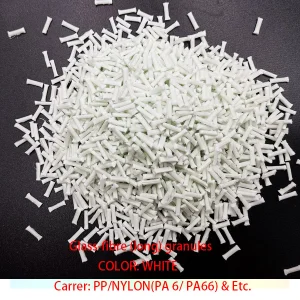
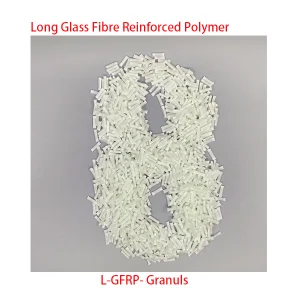
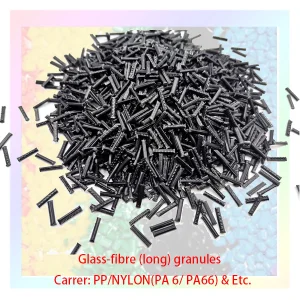
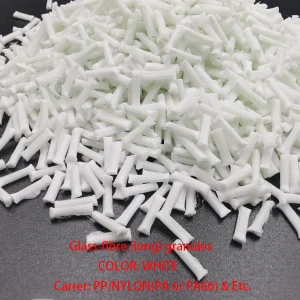
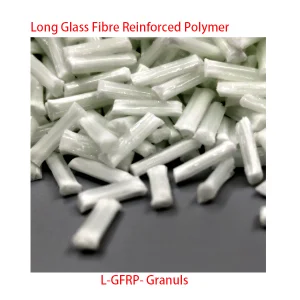
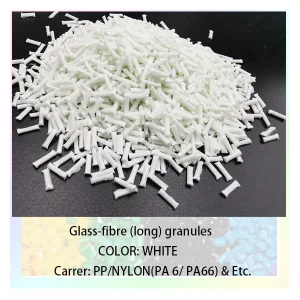
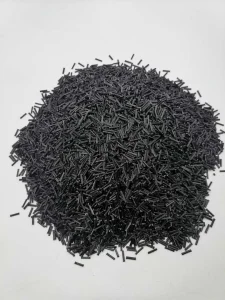
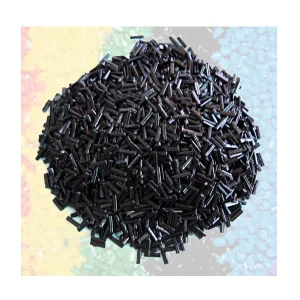
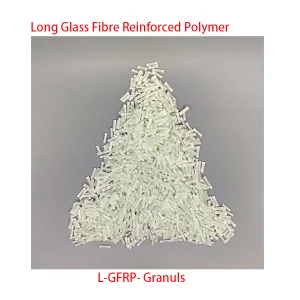
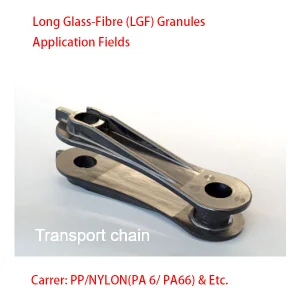
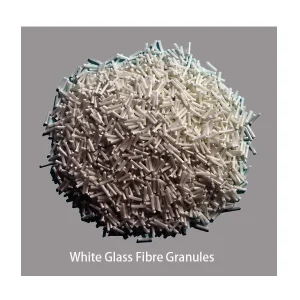
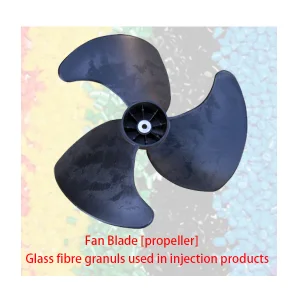
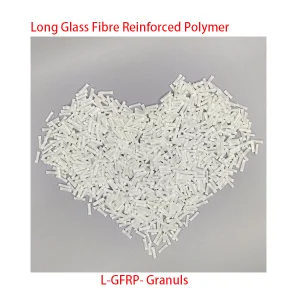
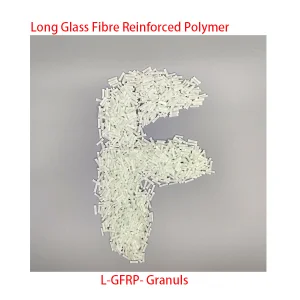
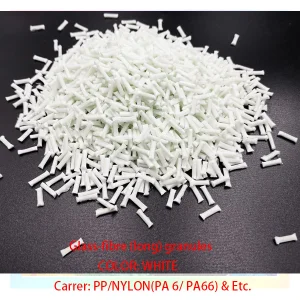
In the contemporary landscape of material science, the shift toward high-performance polymers and carbon fiber-reinforced plastics (CFRP) is not merely a trend—it is a fundamental restructuring of industrial manufacturing. As a leading supplier, Jurong Best Composite Materials Co., Ltd. understands that the "Cheap Use of Carbon Fiber" implies a strategic optimization of material properties versus cost, rather than a sacrifice in quality.
Global demand is driven by the automotive, aerospace, and consumer electronics sectors, all seeking weight reduction to enhance energy efficiency. Our specialized approach involves leveraging advanced thermoplastic matrices to create composite solutions that offer carbon fiber-like strength with superior processability and cost-effectiveness.
Composite materials require precise engineering for specific environments. Our expertise extends beyond standard manufacturing:
The roadmap for composite materials at Jurong Best centers on "Sustainable High Performance." We are aggressively investing in:
Navigating the export of chemical and composite materials requires stringent adherence to international regulations. We operate with a strict framework covering:
Compliance Standards: Our products comply with REACH, RoHS, and ISO 9001 quality management protocols. We provide comprehensive documentation for customs clearance, ensuring seamless logistics from our facility in Jurong, Jiangsu, to global ports.
Professional Inspection: We encourage client-led quality checks, facilitating third-party inspections to verify material composition, fiber length retention, and mechanical indices before shipment.
We utilize advanced extrusion technologies that preserve fiber length during processing, allowing us to achieve high-performance characteristics with lower raw material wastage, thus lowering the final unit cost.
Yes. Our R&D team works directly with clients to adjust the matrix (PP, PA6, PA66, TPU, etc.) and fiber content to meet specific mechanical load requirements.
Given our strategic location in the Yangtze River Delta, we benefit from highly efficient transport logistics, allowing us to expedite shipments from our factory to major ports like Nanjing and Shanghai with minimal lead times.
 Best Composite