For global procurement managers and engineers, understanding the nuance between Glass Fiber (GF) and Carbon Fiber (CF) is not just a material choice—it is a decision that impacts lifecycle cost, structural integrity, and market competitiveness. As a leading exporter, we provide this analytical guide to help you navigate your sourcing requirements.
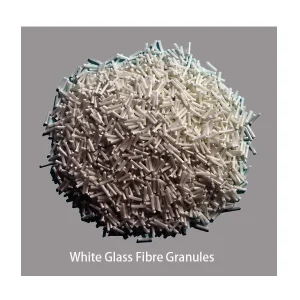
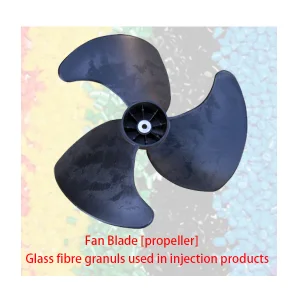
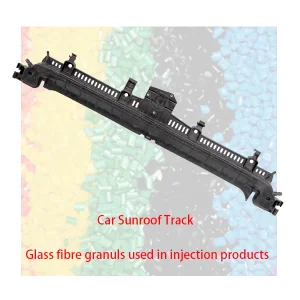
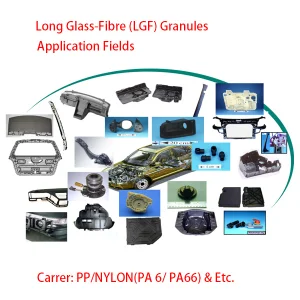
Glass Fiber: High tensile strength, electrical insulation, and superior cost-effectiveness. The industry standard for automotive parts, household appliances, and mass-market structural components.
Carbon Fiber: Unmatched stiffness-to-weight ratio, superior fatigue resistance, and low thermal expansion. Primarily used in aerospace, high-performance automotive, and specialized industrial equipment.
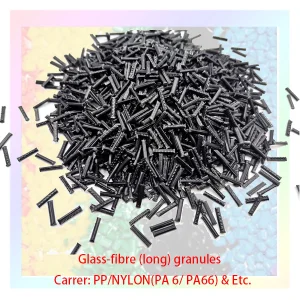
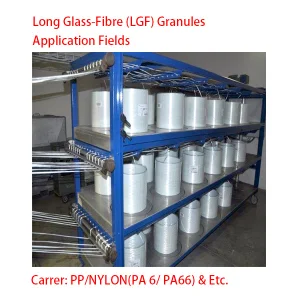
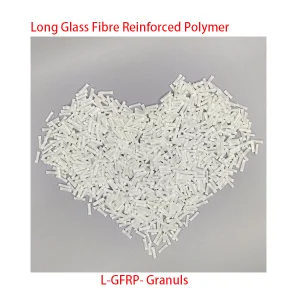
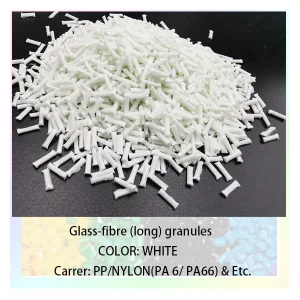
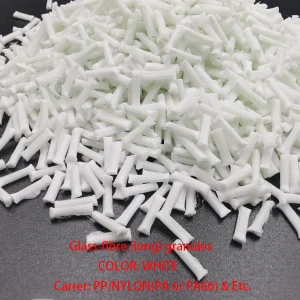
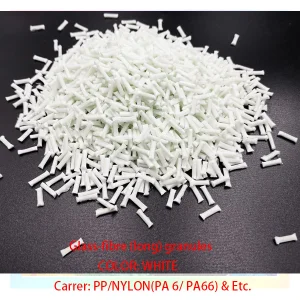
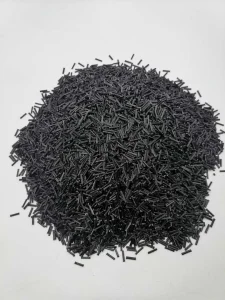
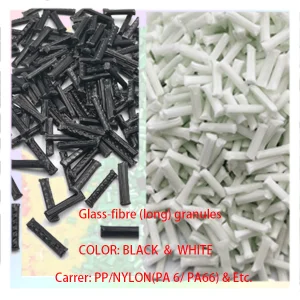
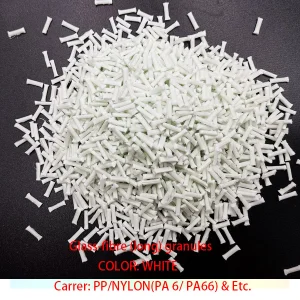
The global demand for composite materials is shifting towards lightweighting to meet carbon neutrality goals. Chinese suppliers are currently leading in the production of high-performance long glass fiber (LGF) thermoplastics, bridging the gap between traditional plastics and metal replacements.
Navigating the supply chain requires adherence to international standards. As a premier exporter, our facilities are equipped with rigorous quality control mechanisms. We comply with REACH and RoHS certifications, ensuring that all material inputs—from glass reinforced nylon to specialized polymers—meet the strict regulatory environments of Europe and North America.
The future of material science lies in the "hybridization" of fibers. We are currently researching the integration of carbon and glass fibers to optimize cost-to-performance ratios for industrial clients. Furthermore, the push towards bio-based resins and recyclable composite materials is the next frontier for our manufacturing lines.
Glass fiber is significantly more affordable, making it ideal for mass-production where cost optimization is critical.
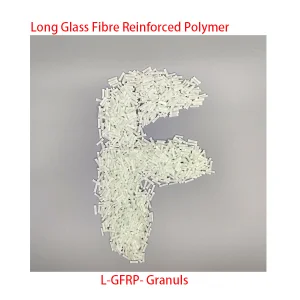
Yes, our R&D team provides tailormade GFRP granules based on specific mechanical property requirements for your applications.
We leverage our location near major Yangtze River transport hubs to ensure rapid delivery schedules for international partners.
Located in the ancient town of Maoshan, Jurong City, Jiangsu Province, we benefit from the heart of the Yangtze River Delta Economic Zone. Our strategic location offers unparalleled access to logistics via the Shanghai-Nanjing Expressway, allowing us to serve global clients with efficiency. With a thousand-year history of local culture, we build our modern manufacturing legacy on the principles of trust, precision, and excellence.
 Best Composite