In the rapidly evolving landscape of China plastic material suppliers, the shift from commodity plastics to high-performance engineering composites represents a pivotal transition for global manufacturing. As a leading plastic is a material specialist, Jurong Best Composite Materials Co., Ltd. provides more than just raw granules; we provide structural solutions that bridge the gap between metal and traditional polymers.
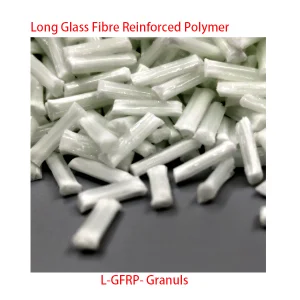
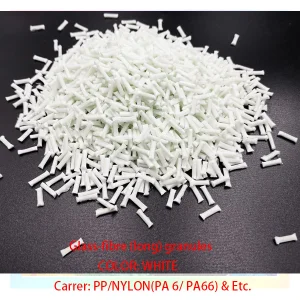
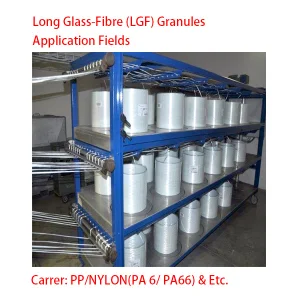
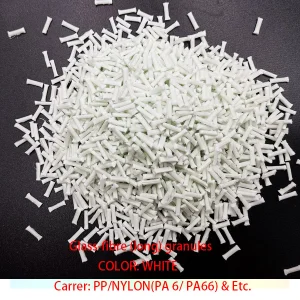
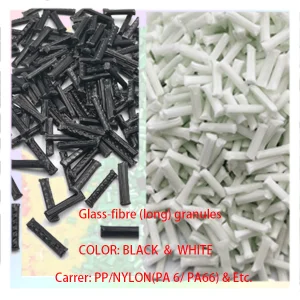
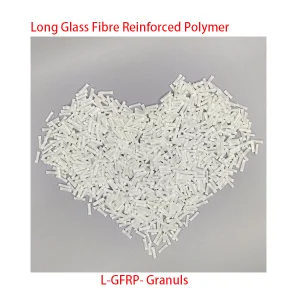
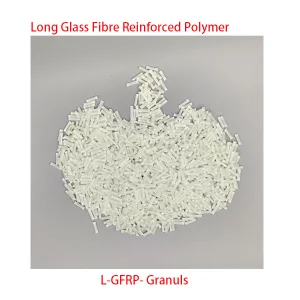
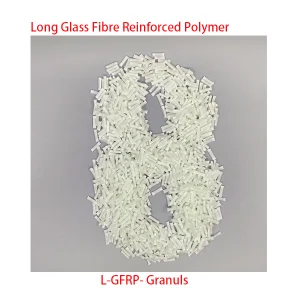
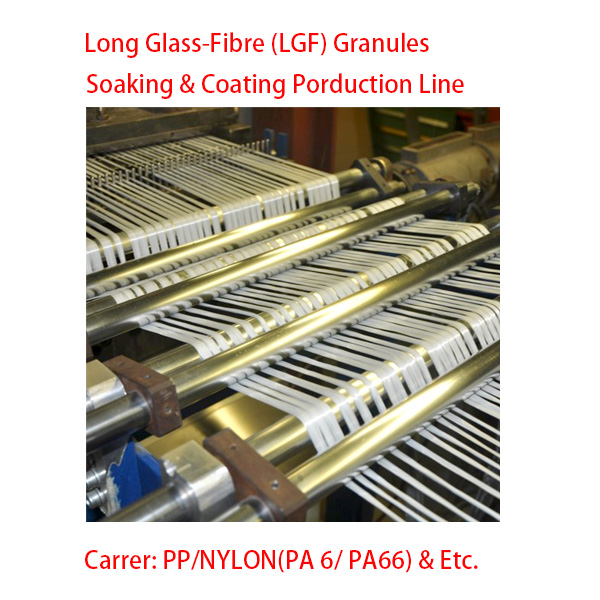
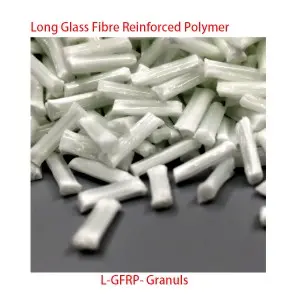
Long Glass Fiber Reinforced Polymer (LGFRP) is the cornerstone of this revolution. Unlike short-fiber composites, LGFRP utilizes a continuous pultrusion process that ensures the glass fibers remain intact throughout the granule (typically 10mm to 25mm). This internal skeletal structure provides superior creep resistance, impact strength, and dimensional stability. When evaluating China plastic companies, procurement officers must look beyond the price-per-ton and analyze the fiber length retention after injection molding, which is where our technical expertise provides significant competitive advantages.
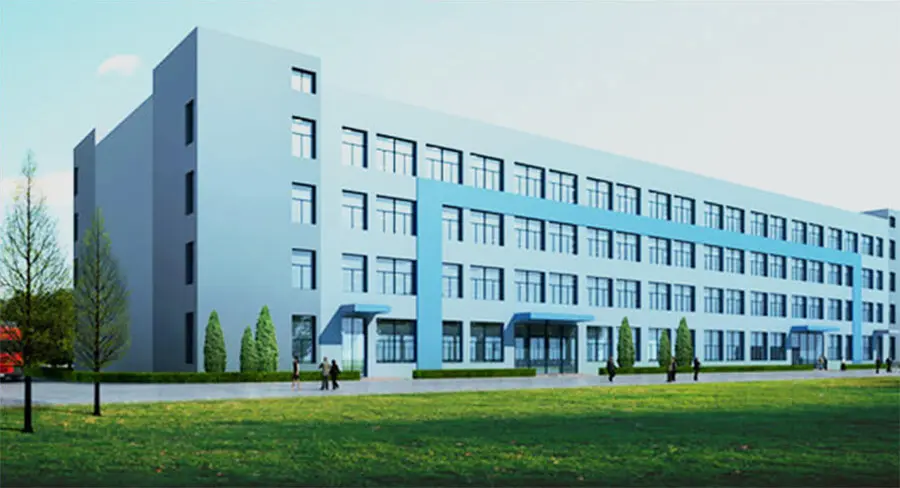
Jurong Best Composite Materials Co., Ltd. is located in the ancient town of Maoshan, which has a history of over a thousand years. The town is part of Jurong City, Zhenjiang, Jiangsu Province. It is situated on the lower reaches of the Yangtze River, adjacent to Nanjing, and is close to Nanjing Lukou International Airport.
Benefiting from the radiation of the Yangtze River Delta Economic Zone, our transportation infrastructure is world-class. The Jianning-Taicang Expressway and the Jurong exit of the Shanghai-Nanjing Expressway connect us directly to Zhenjiang Port and Nanjing Port, ensuring that our plastic material exports reach global destinations with maximum efficiency.
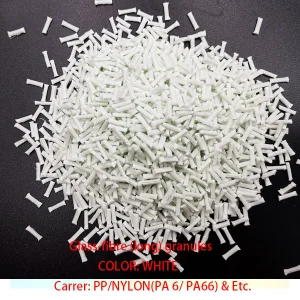
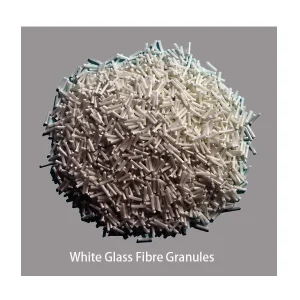
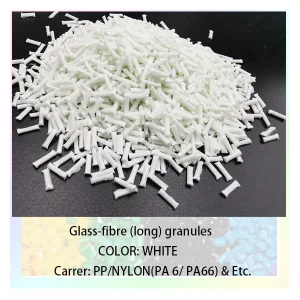
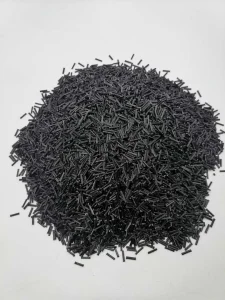
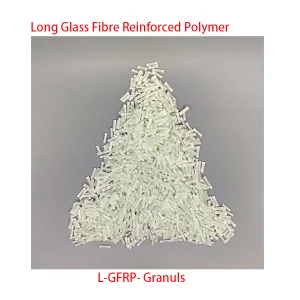
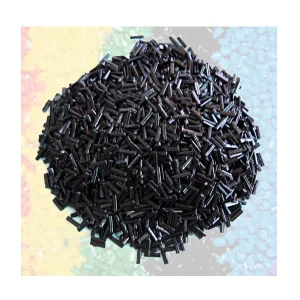
We specialize in LONG GFRP (GLASS-FIBER-REINFORCED-POLYMER) GRANULES. These materials are engineered for high-stress environments. As highlighted in our latest news:
Navigating REACH, RoHS, and UL certifications is critical for global supply chain integration. Jurong Best provides full documentation support, ensuring that our materials meet the stringent environmental and safety standards of the EU and North American markets.
The China supply chain advantage lies in the synergy between raw material access and manufacturing agility. Our facility leverages the industrial cluster of Jiangsu to source high-grade resins like PPS and PBT, processing them into value-added LGFRP at costs that traditional Western suppliers cannot match.
The industry is moving toward "Metal Replacement." By substituting heavy die-cast aluminum with our PA66-LGF, manufacturers achieve weight reductions of up to 40% without compromising structural integrity, contributing to global decarbonization goals in the automotive sector.
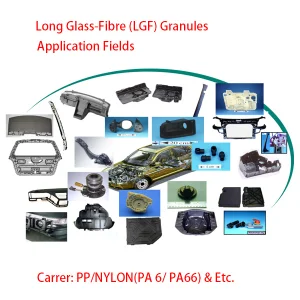
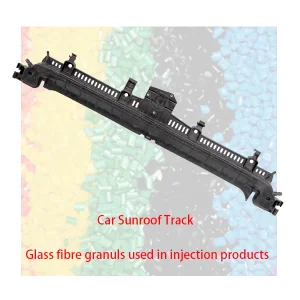
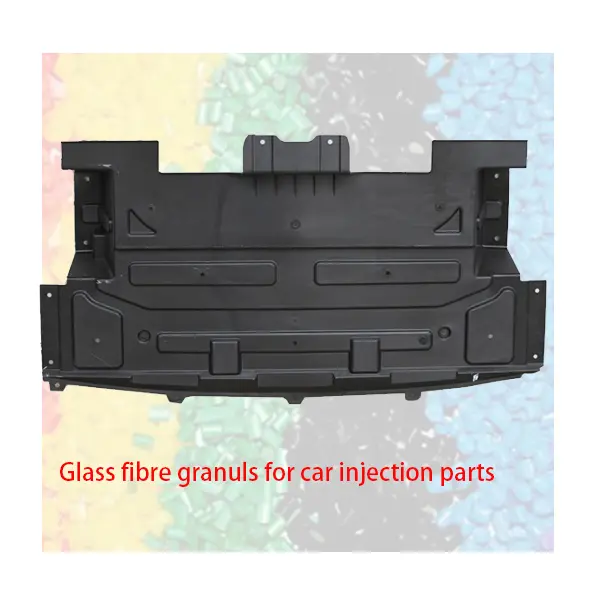
Our GFRP granules are used in car sunroof tracks, pedal modules, and engine covers. The vibration-damping properties of LGFRP significantly improve the NVH (Noise, Vibration, and Harshness) levels in modern vehicles.
From washing machine parts to small kitchen electrical appliances, our materials provide the necessary heat resistance and chemical stability required for long-term durability in high-cycle environments.
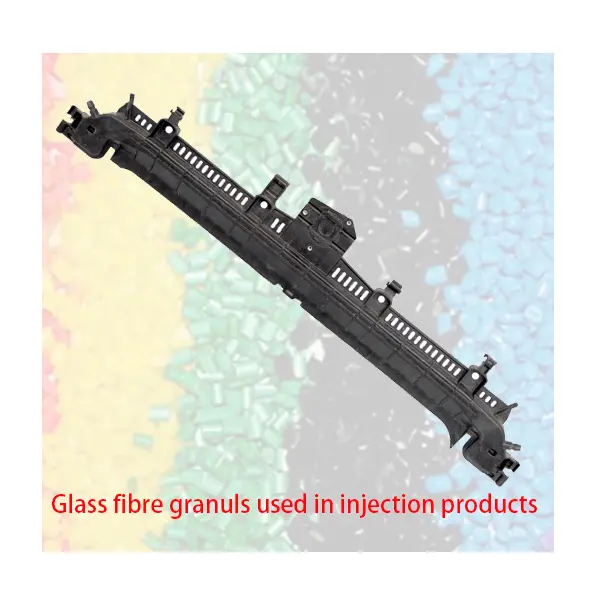
LGF-PP and LGF-PA materials are increasingly used in solar panel mounting brackets and wind turbine internal components due to their exceptional UV resistance and weathering performance.
The main difference lies in the fiber length retention. In SGF, fibers are usually 0.5-1.0mm. In LGF, fibers are the length of the pellet (10-25mm). This creates a 3D structural network within the part, resulting in much higher impact strength and resistance to fatigue.
Top-tier suppliers like Jurong Best utilize advanced pultrusion lines, automated QC systems, and rigorous third-party testing (SGS/TUV). We provide COA (Certificate of Analysis) for every batch to ensure consistency in fiber content and mechanical properties.
Yes, LGFRP materials like LGF-PP and LGF-PA can be reground and reused. However, it is essential to manage the regrind ratio to maintain the mechanical properties, as glass fibers will shorten during the recycling process.
Due to our proximity to Nanjing and Shanghai ports, we can typically arrange for cargo loading within 7-14 days of order confirmation, depending on the customization requirements and current stock levels.
Get the latest data on material performance, pricing trends, and engineering innovations.
 Best Composite