In the era of rapid industrial decarbonization and stringent environmental regulations, Polyphenylene Sulfide (PPS) fiber has emerged as a cornerstone material for high-temperature filtration and chemical-resistant applications. As a leading hub for advanced material manufacturing, China’s role as a PPS fiber supplier and exporter is pivotal to the global shift toward cleaner energy and efficient waste management.
PPS, a semi-crystalline, high-temperature engineering thermoplastic, offers an unparalleled combination of thermal stability, chemical resistance, and flame retardancy. This white paper explores the macro-economic drivers, technical breakthroughs, and localized application scenarios that define the current PPS fiber landscape in 2024 and beyond.
Continuous service temperatures up to 190°C (374°F) without structural degradation.
Resistant to acids, alkalis, and organic solvents even at elevated temperatures.
LOI (Limited Oxygen Index) of 34-35%, making it self-extinguishing without additives.
Historically, PPS production was concentrated in Japan and the United States. However, over the last decade, Chinese manufacturers like Jurong Best Composite Materials Co., Ltd. have significantly scaled production, closing the gap in both volume and quality. This shift has democratized access to high-performance fibers, reducing lead times and costs for global enterprises.
Asia-Pacific: Driven by massive coal-fired power plant upgrades and cement production in China and India.
Europe: Focused on waste-to-energy (WtE) plants and strict Euro VI emission standards compliance.
North America: Growing demand in the chemical processing and aerospace composites industry.
PPS filter bags are the "gold standard" for flue gas desulfurization and particulate capture in coal-fired boilers, capable of withstanding the corrosive sulfur-rich environment.
Handling the complex chemical cocktails and moisture found in municipal waste incineration plants where hydrolysis resistance is critical.
Capturing fine dust in the high-abrasion environments of kilns and furnaces, extending the lifecycle of industrial equipment.
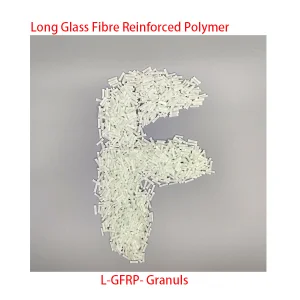
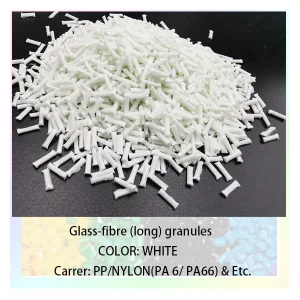
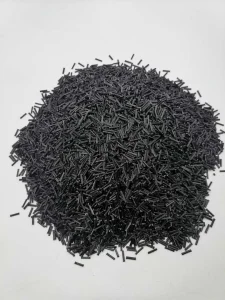
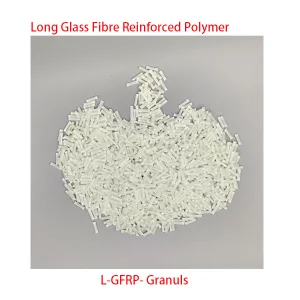
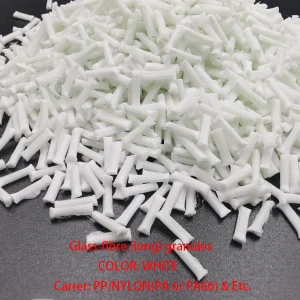
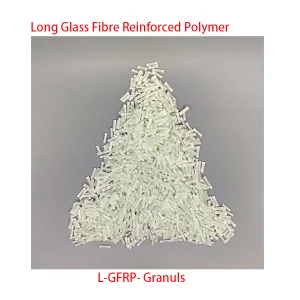
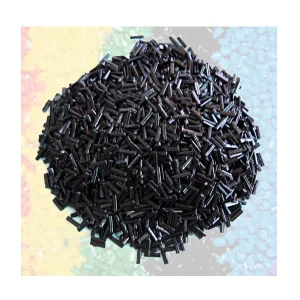
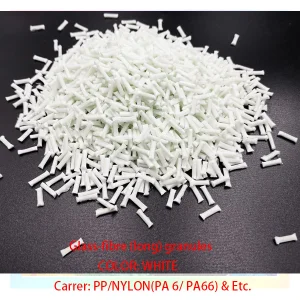
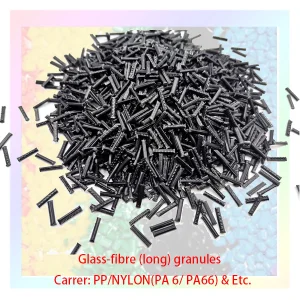
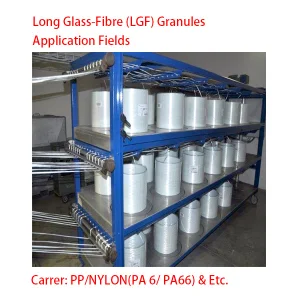
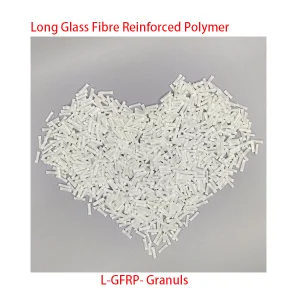
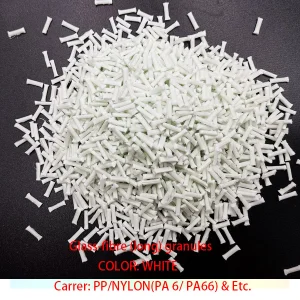
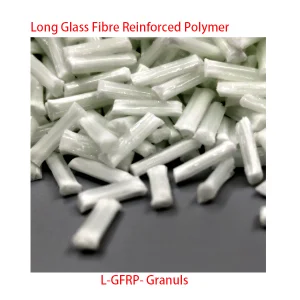
The next frontier for PPS fiber lies in Long Glass Fiber (LGF) Reinforcement and Molecular Hybridization. By combining PPS with long glass fibers, manufacturers can achieve structural properties that rival die-cast metals while maintaining significant weight advantages.
Navigating international trade requires more than just high-quality PPS. It requires a partner who understands the regulatory landscape. As a prominent China PPS Fiber Exporter, we ensure every shipment meets the highest standards:
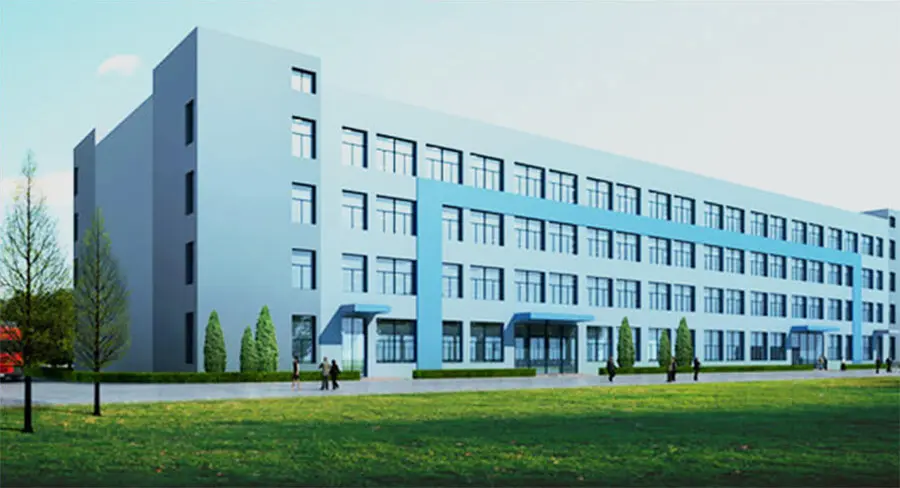
Jurong Best Composite Materials Co., Ltd. is located in the ancient town of Maoshan, which has a history of over a thousand years. The town is part of Jurong City, Zhenjiang, Jiangsu Province. It is situated on the lower reaches of the Yangtze River, adjacent to Nanjing, and is close to Nanjing Lukou International Airport.
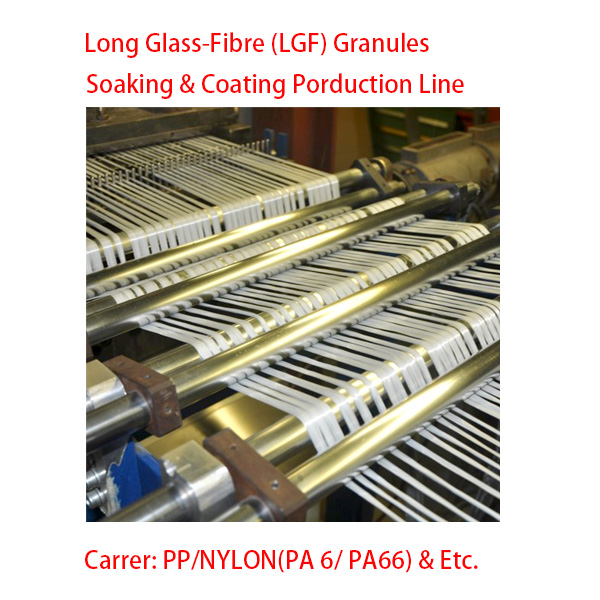
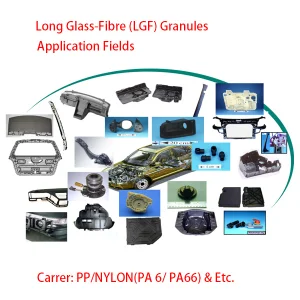
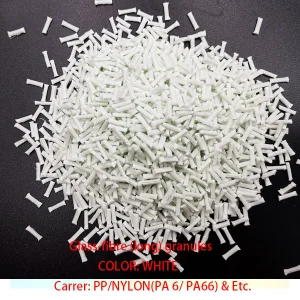
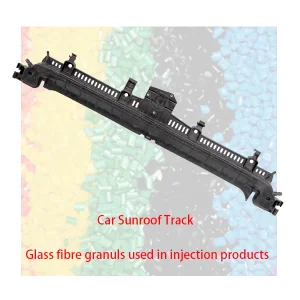
The GFRP granules can make different kinds of special products, such as car parts, washing machine parts, small kitchen electrical appliances and Etc..
 Best Composite