 Best Composite
Explore our certified Glass Fiber Reinforced Polymer (GFRP) and Long Fiber Thermoplastic industrial compounds engineered for high-performance applications.
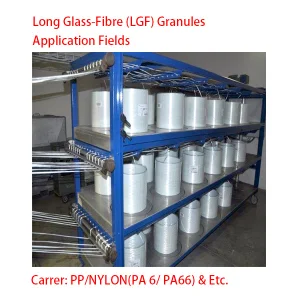
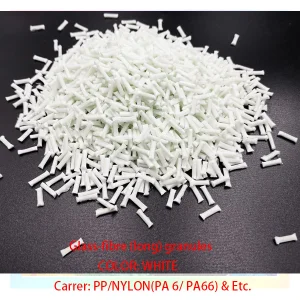
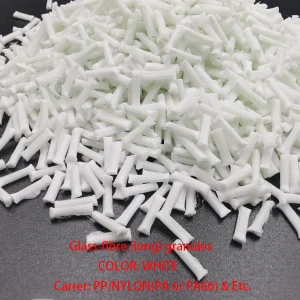
Jurong Best Composite Materials Co., Ltd. is strategically located in the ancient town of Maoshan, a historic cultural and commercial hub with a heritage spanning over a thousand years, situated in Jurong City, Zhenjiang, Jiangsu Province. Positioned dynamically in the lower reaches of the Yangtze River, our manufacturing facility stands adjacent to metropolitan Nanjing, benefiting from rapid transit logistics to the Nanjing Lukou International Airport.
Global logistics are seamlessly integrated via the Jianning-Taicang Expressway (connecting Nanjing directly to Taicang), and the Jurong exit of the Shanghai-Nanjing Expressway. This vital network directly bridges our operations to Zhenjiang Port and Nanjing Port, placing us within the core circle of the Yangtze River Delta Economic Zone. For global procurement directors, this localized infrastructure guarantees highly secure supply lines and robust container loading and dispatch capacities.
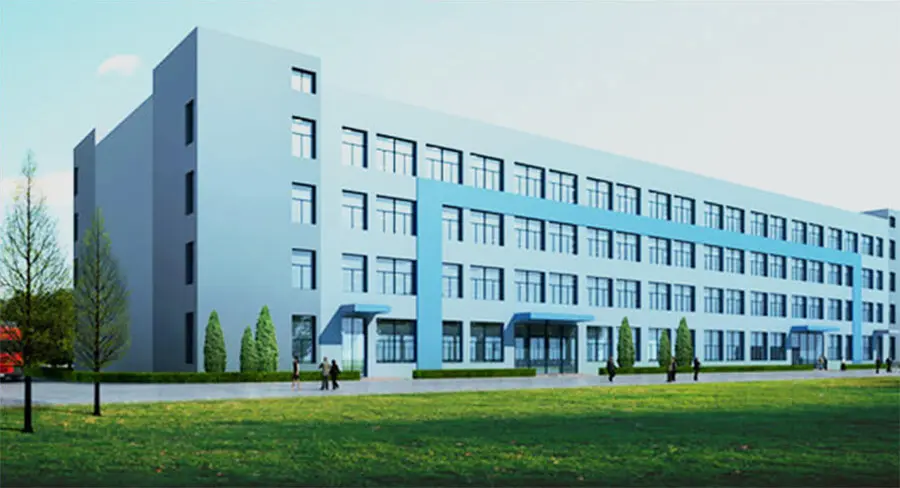
Equipped with state-of-the-art pultrusion and compound injection lines, our facilities represent the cutting edge of modern polymer reinforcement processing in China.
Understanding the mechanical properties and lifecycle performance of Basalt Fiber Reinforced Polymer (BFRP) Rebar compared to traditional engineering reinforcements.
| Mechanical Property | Basalt Rebar (BFRP) | Glass Fiber Rebar (GFRP) | Traditional Grade 60 Steel |
|---|---|---|---|
| Tensile Strength (MPa) | 1100 - 1400 MPa | 600 - 1000 MPa | 400 - 550 MPa | Tensile Modulus (GPa) | 50 - 65 GPa | 40 - 50 GPa | 200 GPa |
| Density (g/cm³) | 1.9 - 2.1 (Ultra-lightweight) | 2.0 - 2.2 | 7.85 (Heavyweight) |
| Corrosion Resistance | Immune to Acids, Bases, Salts | Highly Resistant (Alkali sensitive) | Susceptible to Oxidation & Rust |
| Electrical Conductivity | Non-conductive (Insulative) | Non-conductive | Highly Conductive |
| Thermal Expansion | Matches Concrete (Coeff: ~9.0) | Matches Concrete (Coeff: ~9.5) | Matches Concrete (Coeff: ~12.0) |
Traditional carbon steel rebar is highly vulnerable to degradation in marine, coastal, and chemical-heavy environments. As the concrete matrix develops micro-cracks over time, moisture and chlorides penetrate to the steel core, initiating oxidation. Rust expands to up to 6 times the volume of the original steel, inducing tensile stresses that lead to concrete spalling and structural failures.
BFRP Basalt Rebar completely mitigates this hazard. Synthesized from natural basalt rock through high-temperature melting and continuous pultrusion with epoxy/vinyl ester resins, basalt rebar exhibits complete chemical inertness. It maintains its structural integrity across a broad pH spectrum, extending the concrete asset lifespan from 40 years to over 100 years without requiring costly cathodic protection systems.
Analytical insights on why leading infrastructure consortia and civil engineering enterprises are restructuring supply chains to incorporate basalt composites.
Global concrete and steel manufacturing account for major greenhouse gas emissions. The integration of basalt composites, derived from abundant volcanic basalt resources via clean melting, dramatically reduces the carbon footprint (CO2-equivalent) per metric ton of reinforcement material deployed.
Because basalt rebar is 1/4 the weight of carbon steel, logistics and transport operations require significantly less fuel. Onsite handling is safer and faster, completely eliminating the need for heavy crane setups to unload and position structural reinforcement grids.
While the initial purchase cost of steel rebar may appear lower, the life-cycle cost analysis (LCCA) of concrete structures reveals that composite reinforcement yields substantial financial savings by eliminating rehabilitation, repair, and cathodic protection overheads.
An overview of the commercial factors shaping industrial pricing models and how volume-based contracting structures discount rates.
Industrial procurement of basalt composites relies heavily on run-time optimization in pultrusion manufacturing. At Jurong Best Composite Materials, we structure discounts based on project volume:
The unit price per meter of basalt rebar is dictated by several structural variables:
How basalt composite products are implemented across diverse critical sectors to solve long-term degradation issues.
Coastal defenses, seawalls, docks, and piers are exposed to constant saltwater splash actions. Basalt rebar prevents reinforcement oxidation, protecting marine structural concrete from spalling and keeping assets operational without expensive repair cycles.
De-icing salts applied during winter seasons seep into bridge structures, destroying internal steel. Decks reinforced with basalt or GFRP composite bars are immune to chloride attack, reducing maintenance and prolonging civil bridge lifespans.
Medical imaging facilities and electrical substations require environments free of magnetic fields. Because composites are non-metallic and non-conductive, they are the ideal material for MRI facility slabs and high-voltage transformer foundations.
To qualify as a tier-1 supplier of civil reinforcement materials, compliance with international design codes is essential. Jurong Best Composite Materials Co., Ltd. aligns its manufacturing protocols with international standards to ensure reliability for municipal projects worldwide.
We work in accordance with key standards such as:
Our quality management team oversees every batch of basalt and polymer materials, documenting properties like glass transition temperature (Tg), fiber mass content, and transverse shear strength before shipping.
Every shipment is accompanied by a Quality Assurance Certificate detailing the following tests:
| Test Profile | Standard Protocol | Acceptance Target |
|---|---|---|
| Fiber Volume Ratio | ASTM D3171 | > 70% by weight |
| Transverse Shear | ASTM D7617 | > 150 MPa |
| Water Absorption | ASTM D570 | < 0.25% (at saturation) |
Discover how we are advancing composite rebar technologies to meet the evolving demands of smart cities and future infrastructure.
We are actively testing bio-based resins derived from renewable plant starches. This initiative aims to reduce fossil-fuel reliance in manufacturing while maintaining high mechanical strength and corrosion resistance.
By embedding micro-fiber-optic strain sensors into the basalt core during the pultrusion phase, we are developing smart rebars. These enable real-time structural health monitoring of bridges and tunnels throughout their service life.
We are expanding our product offerings with new thermoplastic composite options. Unlike thermoset resins, thermoplastic matrices can be reshaped at the end of their lifecycle, improving recyclability.
Operational updates and client developments from the factory headquarters of Jurong Best Composite Materials Co., Ltd.
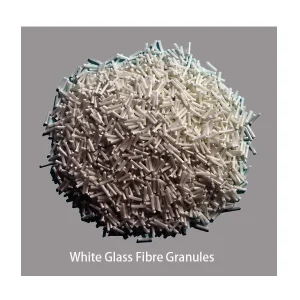
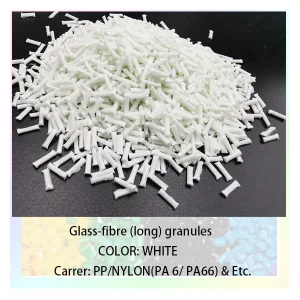
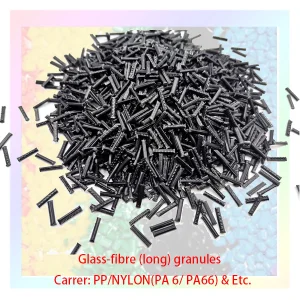
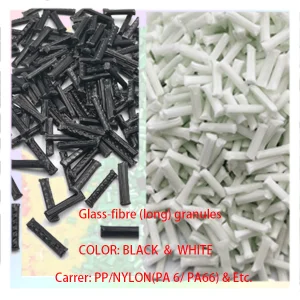
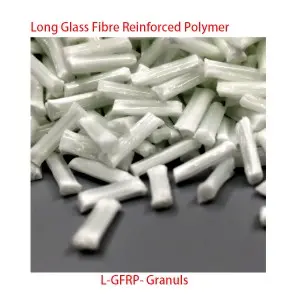
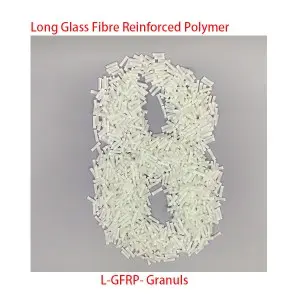
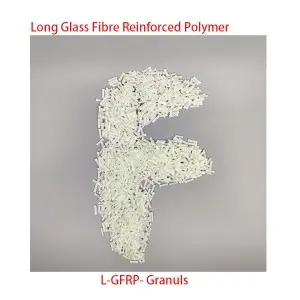
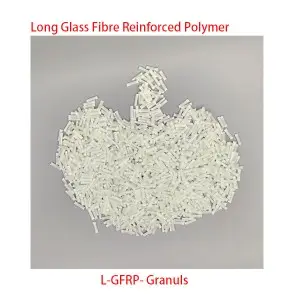
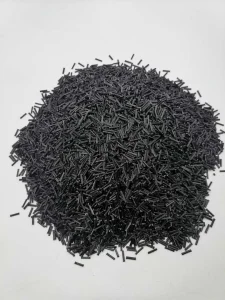
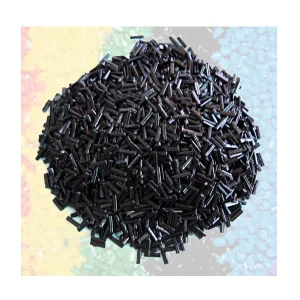
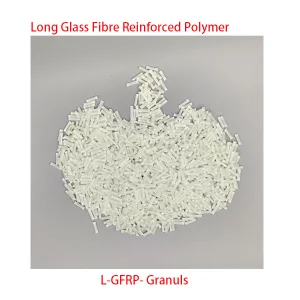
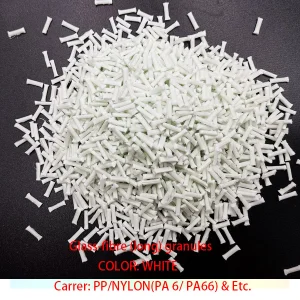
The clients visited our factory today, and conducted a professional and rigorous inspection of the PA6 and PA66 long GFRP (Glass-Fiber-Reinforced-Polymer) granules. They expressed high satisfaction with our products' quality and quality control processes. Reported by Lu.
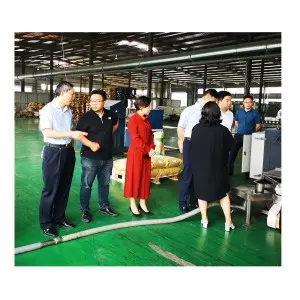
Our company has installed a new production line in the workshop, which commenced operations today. Initial test runs were successful, and output capacity has successfully met project requirements.
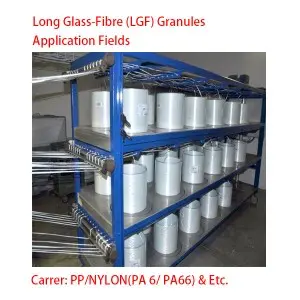
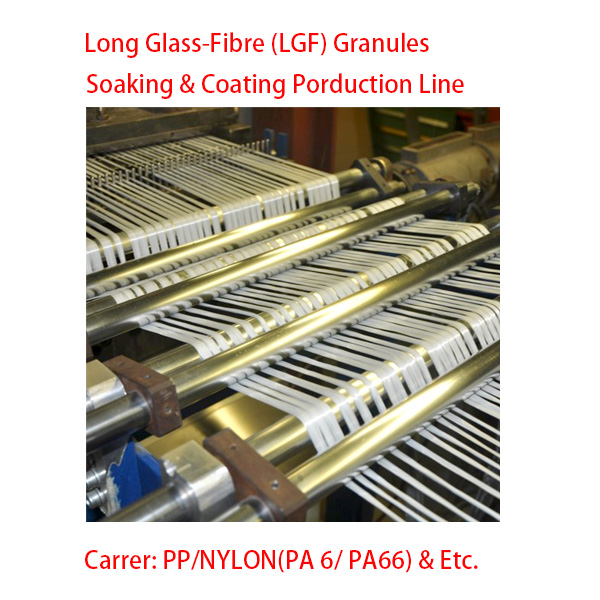
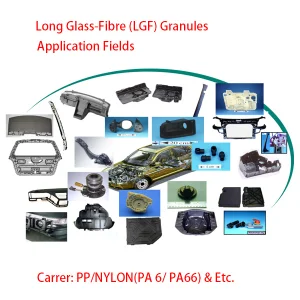
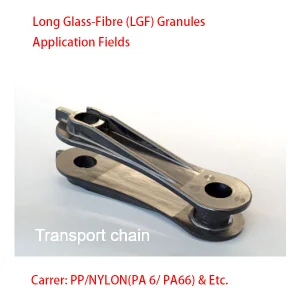
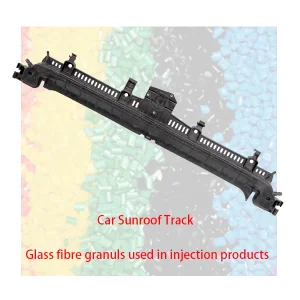
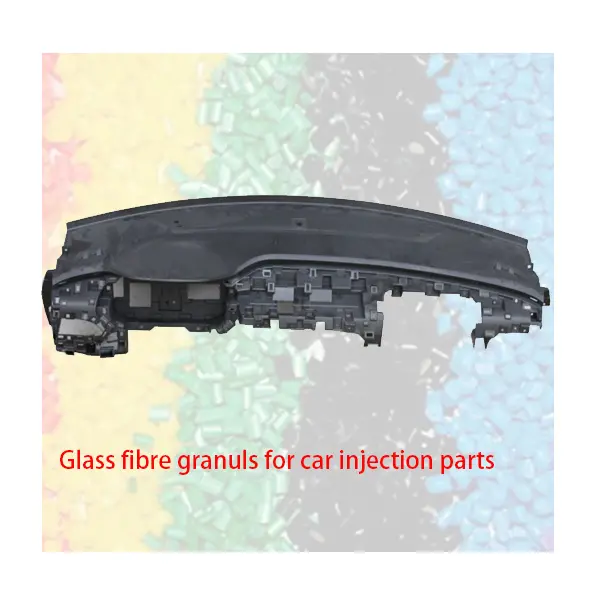
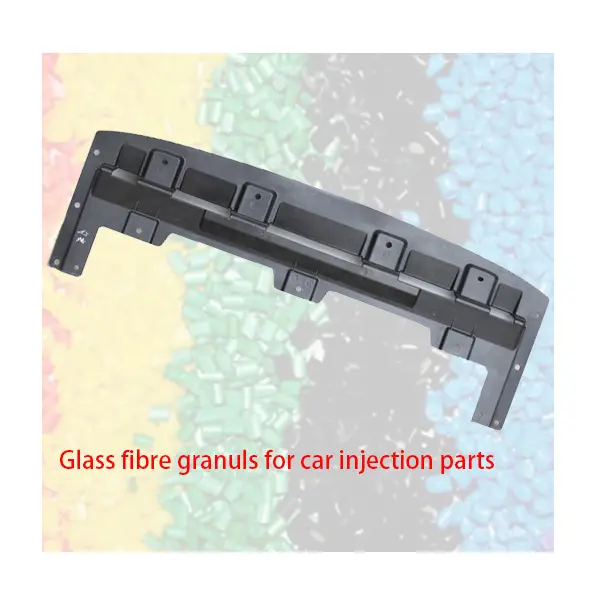
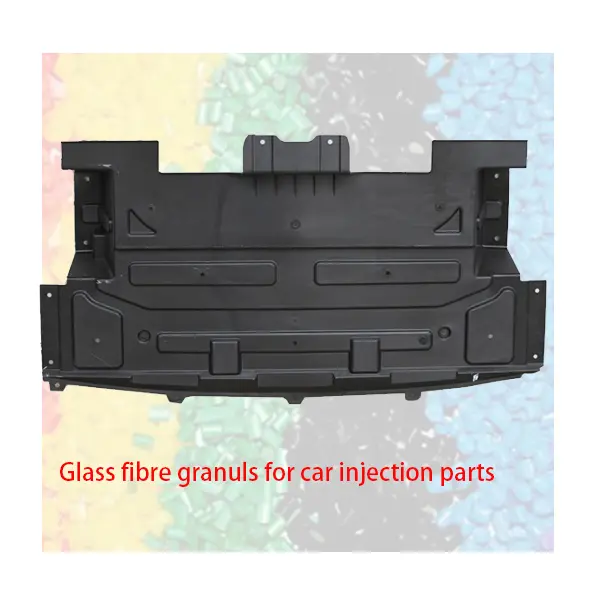
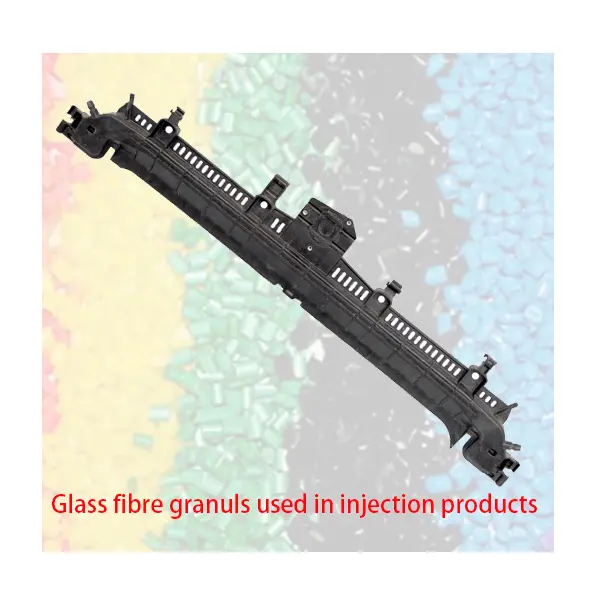
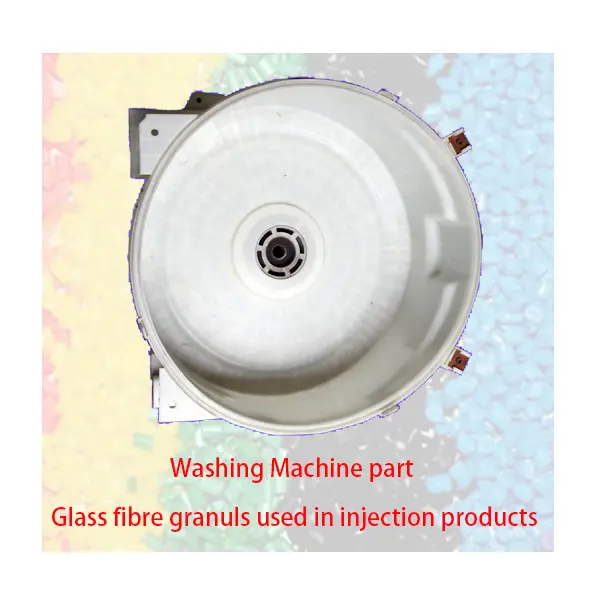
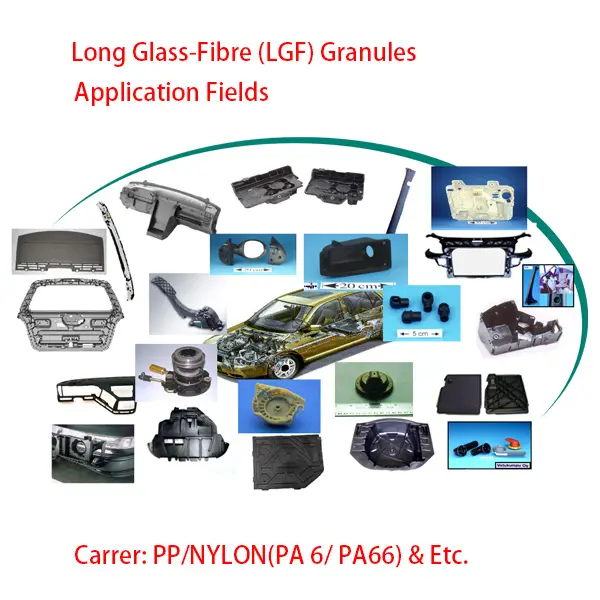
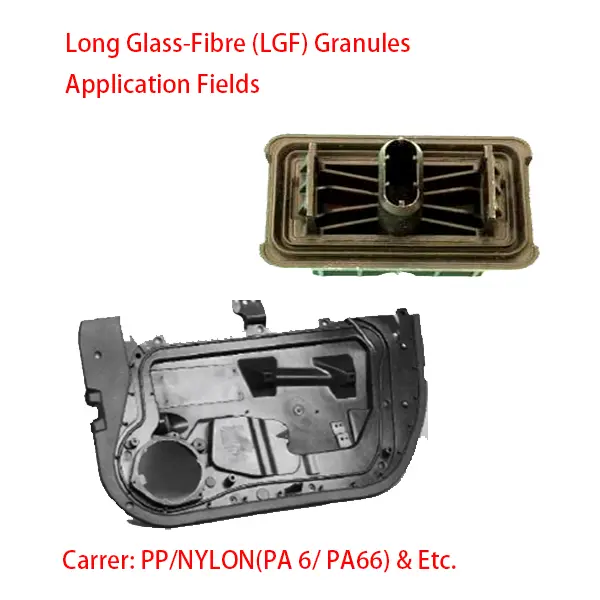
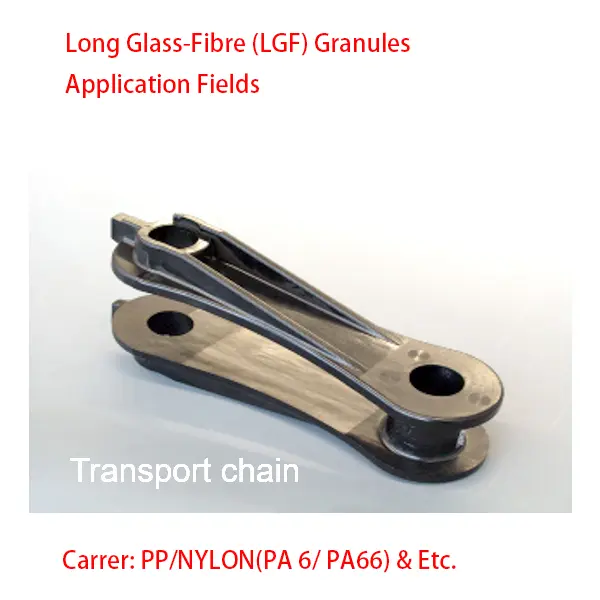
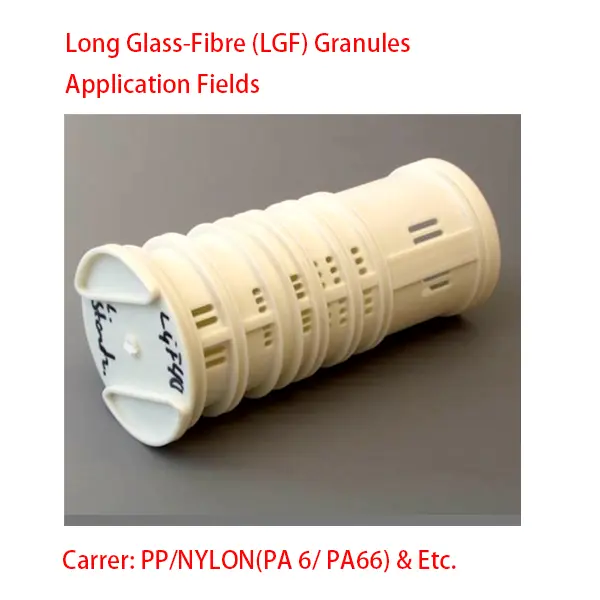
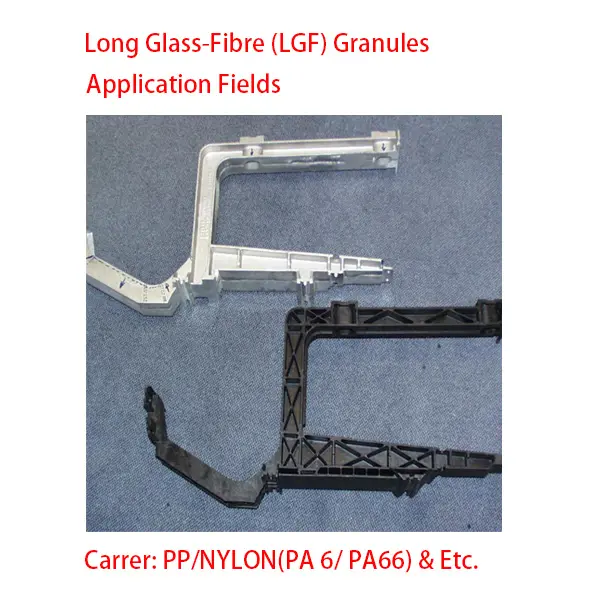
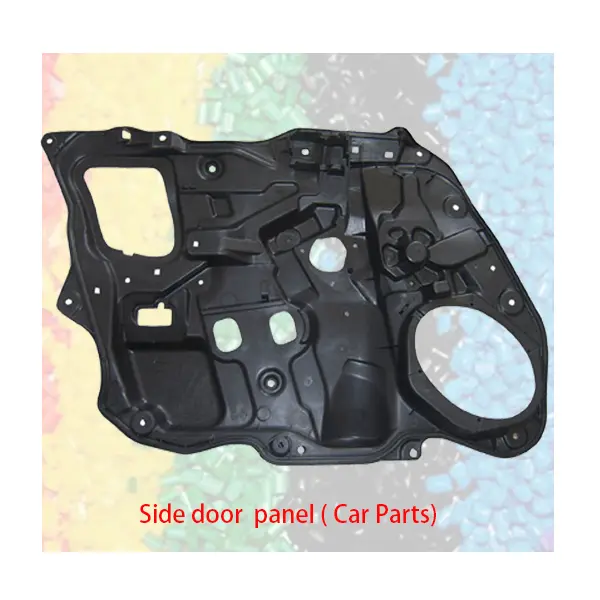
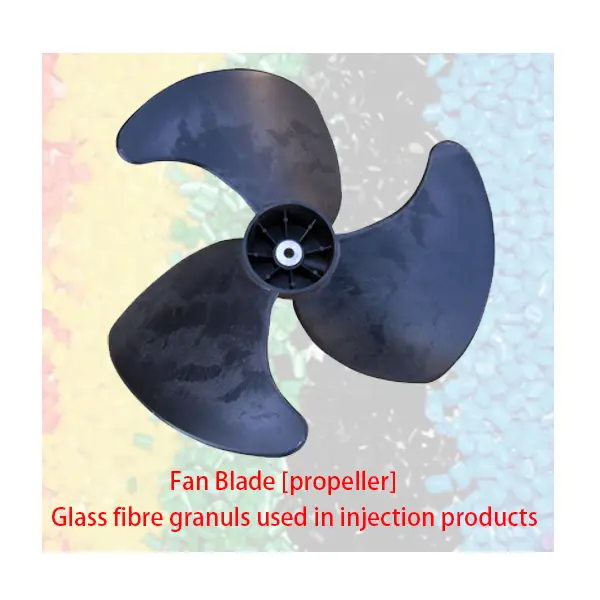
Our premium-grade GFRP granules are suitable for producing a wide range of specialized components. These include automotive parts, washing machine components, and small kitchen electrical appliances, among other applications.
By blending long-glass fiber reinforcing technology with targeted polymer formulations, we ensure high impact strength, creep resistance, and dimensional stability under load.
Expert clarifications regarding mechanical performance, site handling, and commercial procurement of basalt composite products.
Explore our selection of long-glass fiber reinforced polymers, PPS, PBT, and polyethylene compounds engineered for industrial applications.