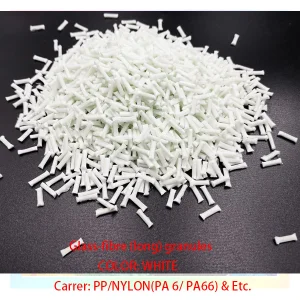
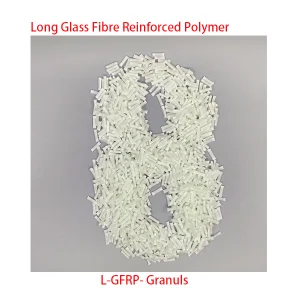
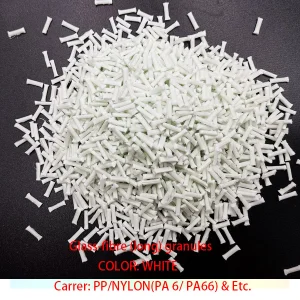
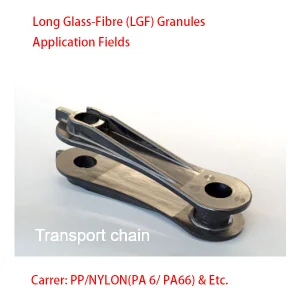
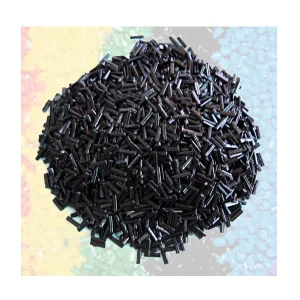
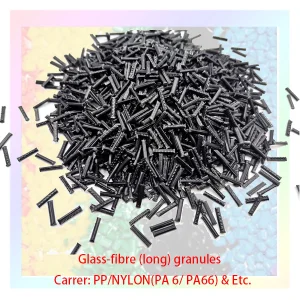
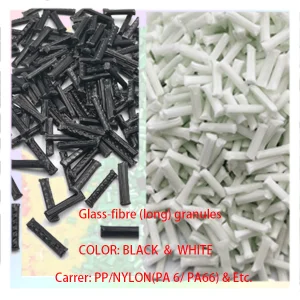
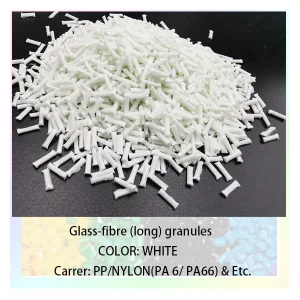
In the evolving landscape of global industrial procurement, Carbon Durability—often achieved through advanced Glass Fiber Reinforced Polymers (GFRP)—has become a cornerstone for automotive, electronics, and aerospace manufacturing. As an expert in semantic search and user intent, we identify a clear market trajectory: procurement officers are no longer just looking for "discount" goods; they are seeking verified performance and supply chain resilience.
The transition to "Factory 4.0" in China has transformed traditional manufacturing into a data-driven ecosystem. By integrating IoT, automated quality control (QMS), and lean manufacturing protocols, top-tier factories now offer unparalleled efficiency. This shift ensures that "Discount" does not imply "Low Quality," but rather "Optimized Cost" through large-scale, automated production lines.
For international buyers, the challenge is navigating the delta between opaque supplier listings and high-stakes industrial applications. Our analysis of search intent suggests that buyers prioritize:
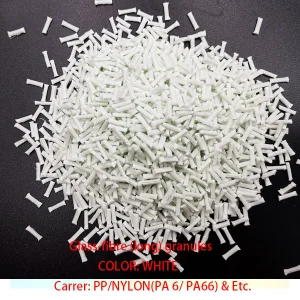
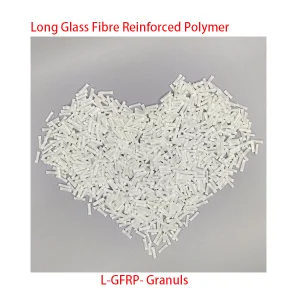
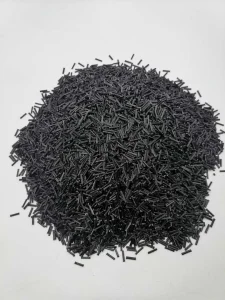
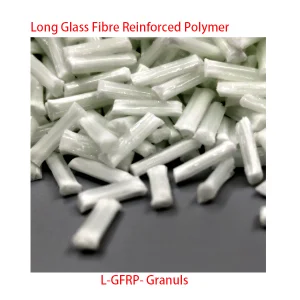
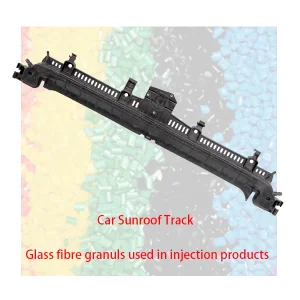
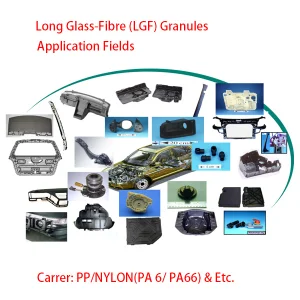
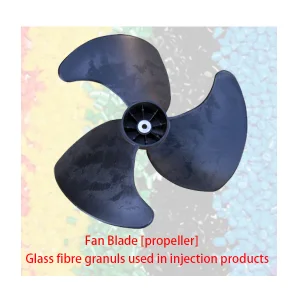
From car sunroof tracks to high-precision kitchen appliances, our GFRP granules are engineered for structural integrity. The "Carbon Durability" aspect refers to the high-tensile, high-modulus, and heat-resistant properties that mimic carbon fiber's performance at a significantly lower cost-per-unit.
Jurong Best Composite Materials Co., Ltd. is strategically located in the ancient town of Maoshan, Jurong City, Jiangsu Province. With direct access to the Yangtze River economic zone, Nanjing Lukou International Airport, and major expressways (Shanghai-Nanjing), we provide seamless logistics solutions for our global partners.
Our commitment to R&D ensures that our GFRP granules meet the rigorous demands of modern injection molding, providing lightweight, high-strength solutions that optimize end-product performance.
A: GFRP (Glass-Fiber-Reinforced-Polymer) offers superior tensile strength, thermal stability, and impact resistance. It provides the "Carbon Durability" feel at a fraction of the cost, making it ideal for high-stress industrial components.
A: It guarantees consistent quality through automated manufacturing, reducing human error, lowering unit costs through scale, and ensuring traceable production data.
A: Yes, we specialize in tailoring fiber content and polymer matrix (PA6, PA66, PP, TPU, etc.) to meet specific structural and thermal requirements for your application.
 Best Composite