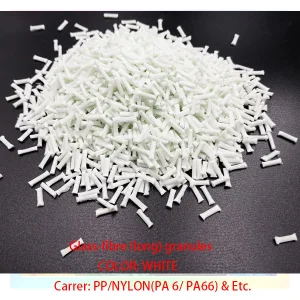
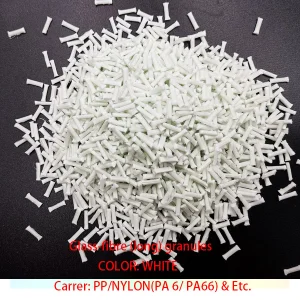
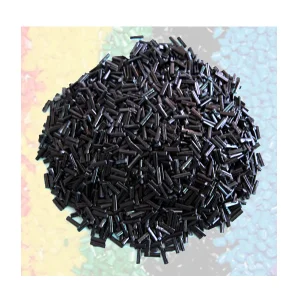
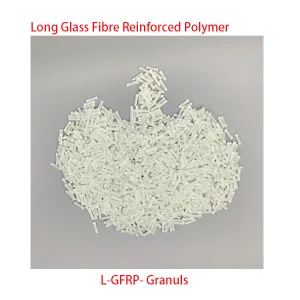
Precision-engineered long glass fiber reinforced polymer pellets (PA6, PA66, PP, PPS) for automotive, structural, and heavy-duty industrial components.
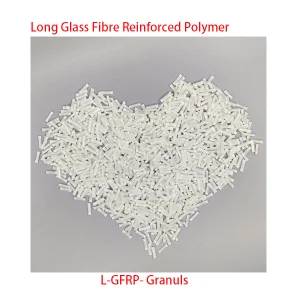
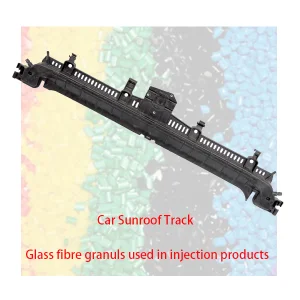
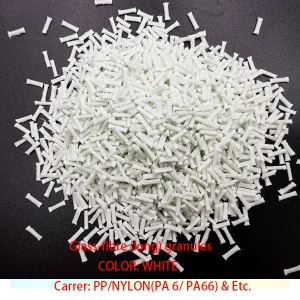
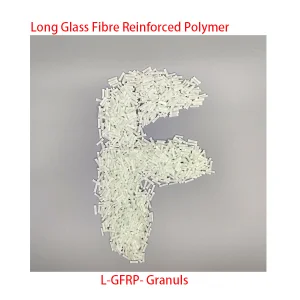
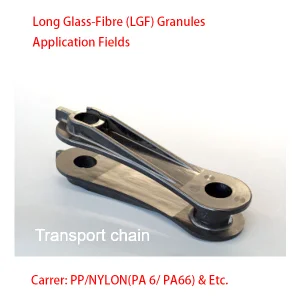
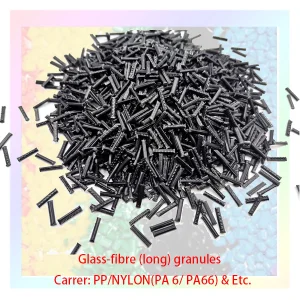
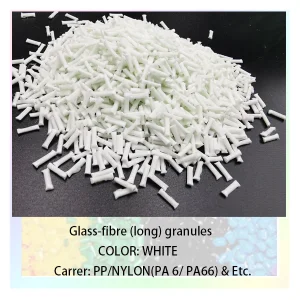
As global industrial sectors accelerate lightweighting initiatives and demand high-durability infrastructure solutions, the strategic importance of Alkali-Resistant (AR) Glass Fiber factories and qualified exporters has reached unprecedented heights. Unlike conventional E-glass, AR glass fiber incorporates significant percentages of Zirconia ($ZrO_2$), providing chemical passivation against highly alkaline environments such as hydration matrices in concrete (GRC/GFRC) and aggressive industrial chemical environments. Simultaneously, the integration of long glass fiber technology into thermoplastic matrices (LGF-PA6, LGF-PA66, LGF-PP, LGF-PPS) has reshaped structural polymer engineering.
Minimum 16.5% Zirconia content creates an inert protective boundary layer, preventing alkaline degradation and ensuring 100+ year service lifespans in cementitious and structural applications.
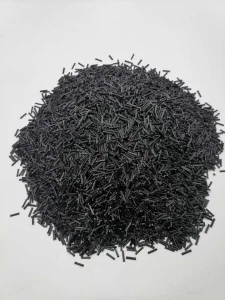
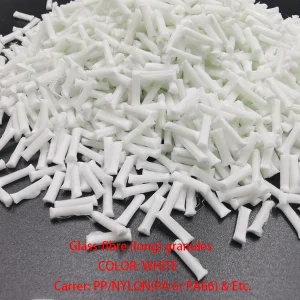
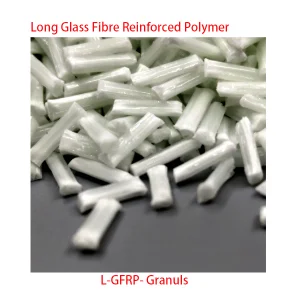
In LGF granules (PA6/PA66/PP), longer initial fiber length forms a 3D structural network post-injection molding, dramatically elevating impact resistance and creep tolerance.
Consolidated supply chains with comprehensive ISO/CE compliance reduce procurement overheads for tier-1 automotive and construction OEM buyers worldwide.
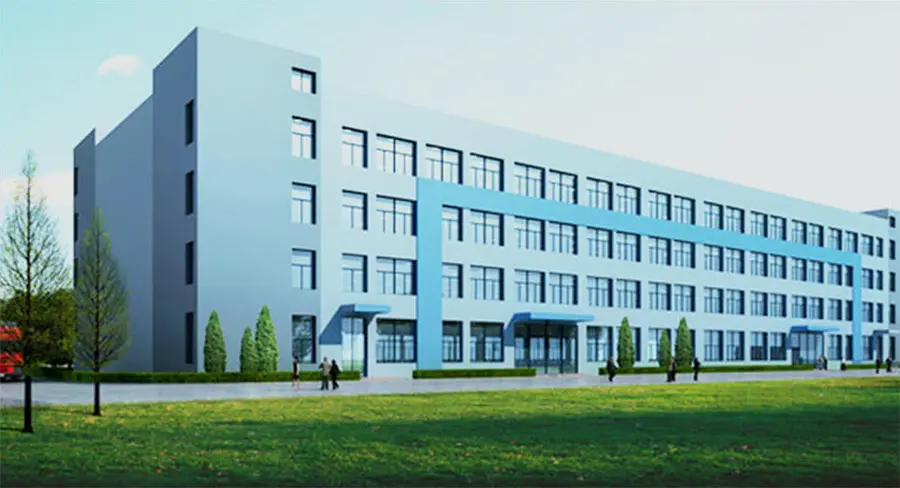
Jurong Best Composite Materials Co., Ltd. is located in the ancient town of Maoshan, which has a rich history spanning over a thousand years. Positioned within Jurong City, Zhenjiang, Jiangsu Province, our facility resides on the lower reaches of the strategic Yangtze River Basin, directly adjacent to the provincial capital of Nanjing.
Our geographical location provides exceptional multimodal logistics connectivity. With close proximity to Nanjing Lukou International Airport, direct access via the Jianning-Taicang Expressway (Nanjing to Taicang), and immediate connection to the Jurong exit of the Shanghai-Nanjing Expressway, our manufacturing hub links efficiently to Zhenjiang Port and Nanjing Port. Leveraging the immense industrial infrastructure of the Yangtze River Delta Economic Zone, we provide reliable global export operations to North America, Europe, Asia-Pacific, and the Middle East.
Understanding the mechanical differential between Short Glass Fiber (SFT) and Long Glass Fiber Reinforced Polymer (LGFRP) composites is critical for structural engineering selection. Below is verified empirical performance data comparing matrix performance:
| Polymer Matrix & Fiber Class | Fiber Length (Pellet/Final) | Tensile Strength (MPa) | Flexural Modulus (GPa) | Notched Izod Impact (kJ/m²) | Heat Deflection Temp (@1.8MPa) |
|---|---|---|---|---|---|
| LGF-PA6 (40% Long Glass) | 12.0 mm / ~3.2 mm | 210 - 230 | 11.5 - 13.0 | 24 - 28 | 215 °C |
| SFT-PA6 (40% Short Glass) | 0.4 mm / ~0.15 mm | 160 - 175 | 8.5 - 9.8 | 10 - 12 | 195 °C |
| LGF-PA66 (50% Long Glass) | 12.0 mm / ~3.5 mm | 245 - 265 | 15.0 - 16.5 | 28 - 32 | 245 °C |
| SFT-PA66 (50% Short Glass) | 0.4 mm / ~0.18 mm | 190 - 205 | 11.0 - 12.5 | 12 - 14 | 220 °C |
| LGF-PP (30% Long Glass) | 10.0 - 12.0 mm | 115 - 130 | 6.5 - 7.8 | 18 - 22 | 155 °C |
| LGF-PPS (40% Ultra-Temp) | 12.0 mm / ~3.0 mm | 195 - 215 | 14.0 - 15.5 | 16 - 20 | 265 °C |
*Data determined according to ISO 527, ISO 178, and ISO 179 standard test methods. Values vary based on processing conditions and molding parameters.
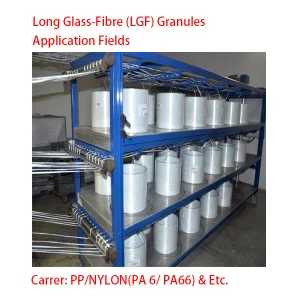
From weight reduction in Electric Vehicles (EVs) to alkali corrosion prevention in structural civil engineering, our AR glass fiber and LGF pellets serve high-tier engineering applications:
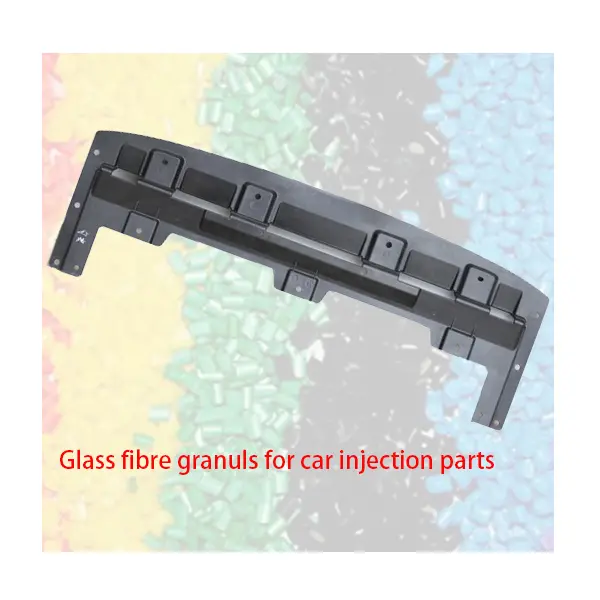
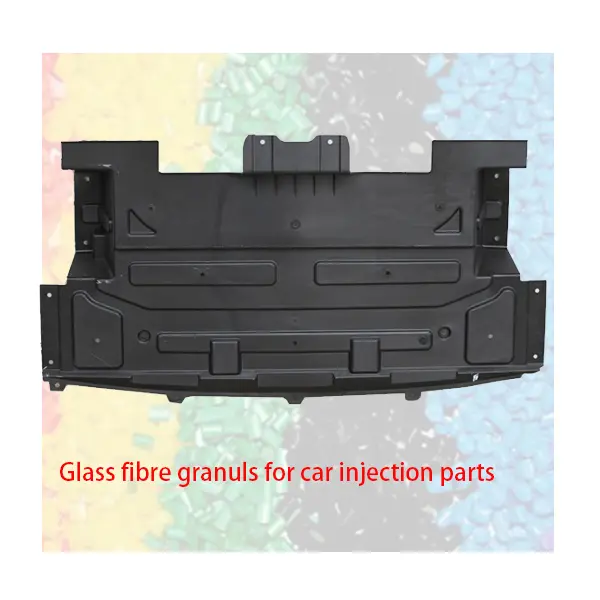
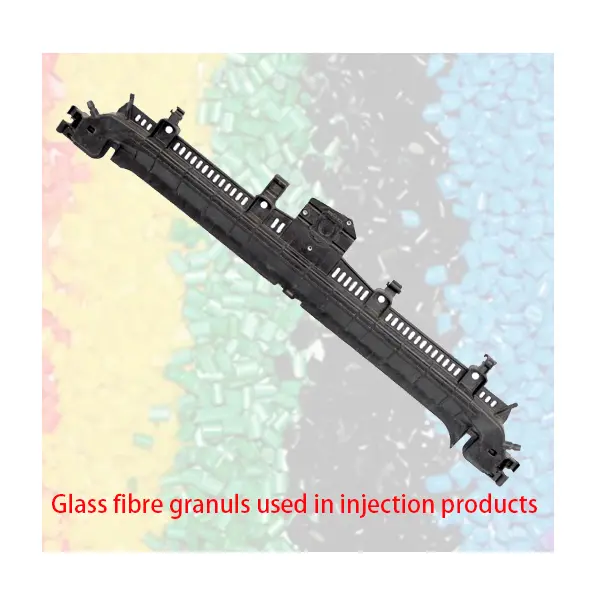
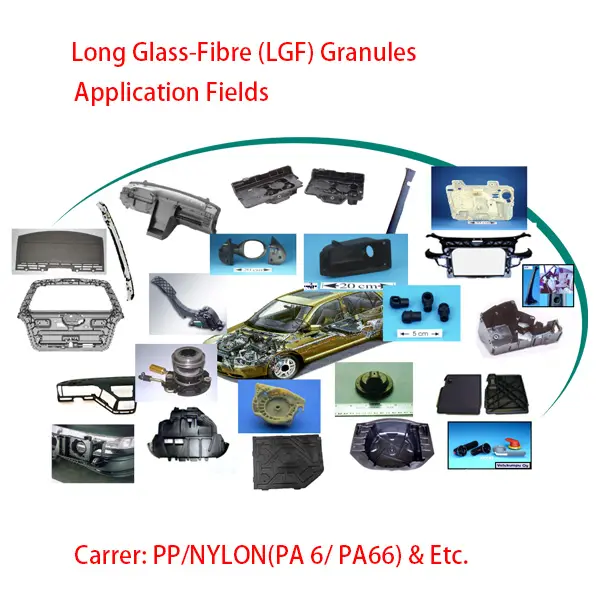
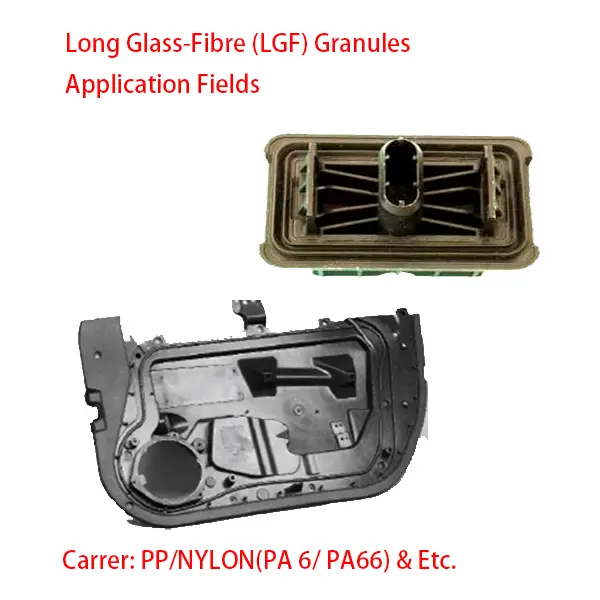
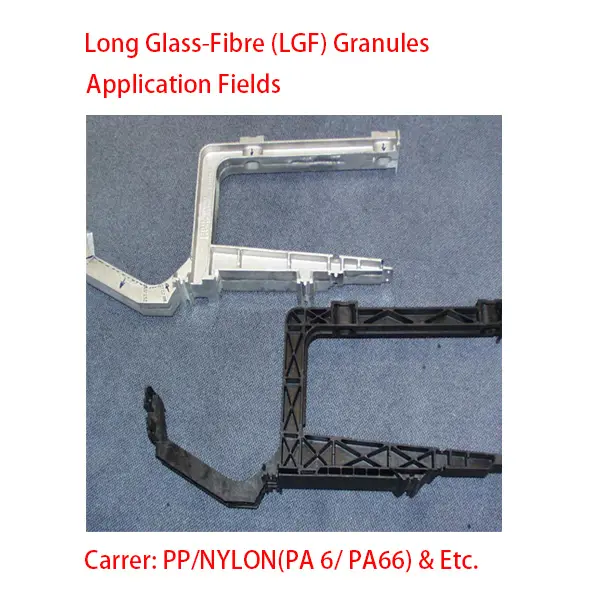
Replacing metal die-castings in sunroof tracks, front-end modules, pedal assemblies, and battery enclosures. Our specialized PA6-LGF car sunroof track granules deliver superior dimensional stability, low thermal expansion coefficients, and noise/vibration/harshness (NVH) damping.
High-ZrO2 (≥16.5%) alkali-resistant glass fibers synthesized specifically for Glass Fiber Reinforced Concrete (GRC). Provides micro-crack suppression, flexural toughness, and freeze-thaw durability under extreme alkaline conditions without binder breakdown.
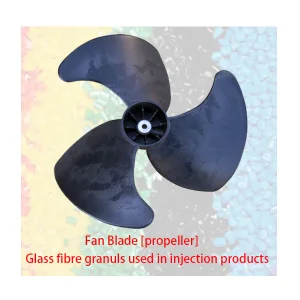
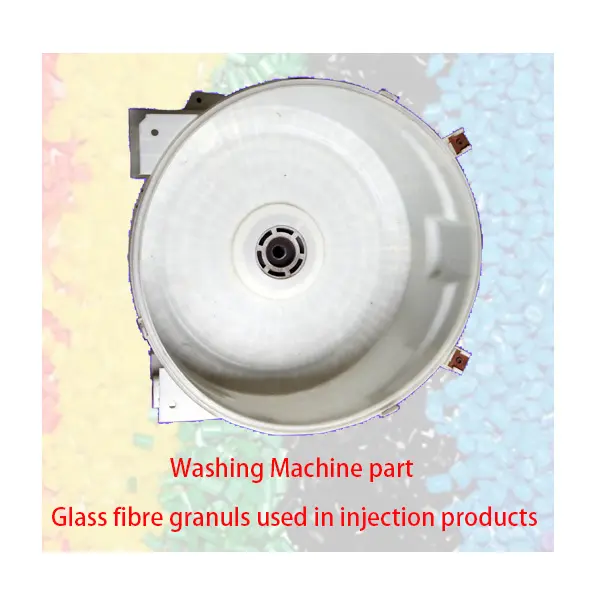
Engineered long GFRP PP/PA6 compounds for high-load washing machine tubs, water pump housings, power tool casings, and kitchen electrical modules requiring continuous water-submersion hydrolysis resistance and fatigue longevity.
Meeting regulatory frameworks across North American, European, and Asian markets requires stringent compliance and verifiable manufacturing protocols:
All long glass fiber pellets and AR fiber products strictly align with EU REACH (EC 1907/2006) standards, RoHS Directives, and contain zero halogens or restricted heavy metals. CE certification documentation accompanies every bulk export shipment, providing seamless customs validation across global ports.
Our in-house quality assurance center evaluates every production lot for melt flow index (MFI), fiber length retention post-extrusion, dispersion uniformity, moisture content (<0.05%), and tensile/flexural strength, guaranteeing zero batch-to-batch variance during customer injection molding processes.
Our R&D team continuously advances matrix-fiber coupling interfaces to address next-generation demands in sustainable manufacturing and high-stress structural engineering:
Enhancing chemical bonding energy between hydrophobic polymer matrices (PP/PE) and glass fibers to boost fatigue threshold limits by 25%.
Developing bio-based polyamide (PA11/PA610) and post-consumer recycled polypropylene (rPP) reinforced with high-aspect long glass fibers for carbon-neutral footprints.
Integrating conductive micro-filaments within glass fiber bundles for structural health self-monitoring and real-time stress strain diagnostics in infrastructure GRC.
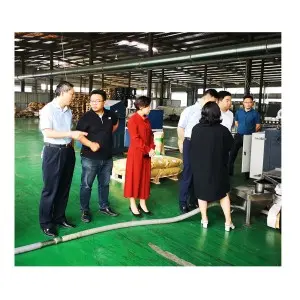
Real-world verification of quality inspection, client audits, and continuous plant capacity expansions:
The clients visited our factory today, and had a professional and rigorous inspection for the PA6 and PA66 long GFRP (Glass-Fiber-Reinforced-Polymer) granules. Finally, they were satisfied by our products' quality and quality controlling process. (Reported by Lu, 2019-11-15)
Our company has set a new machine line in the workshop and started running today! Everything is good; the output capacity has fully matched client requirements and scale demands.
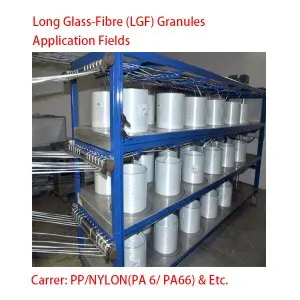
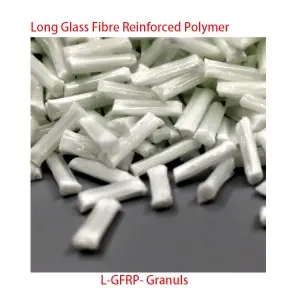
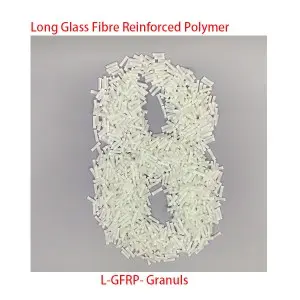
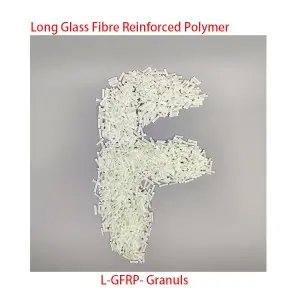
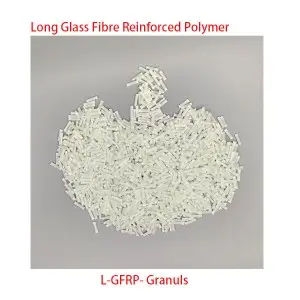
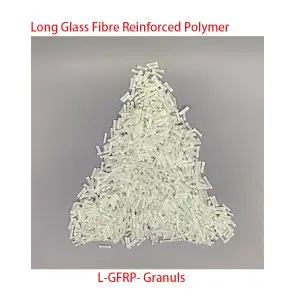
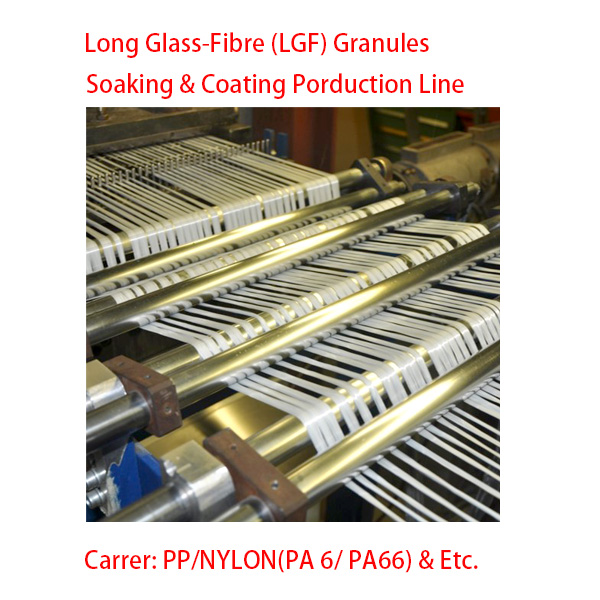
The GFRP granules engineered at our Maoshan plant enable high-precision manufacturing across demanding structural domains. By maintaining long fiber length in molded parts, component designers achieve high modulus, minimal warp, and exceptional impact stability.
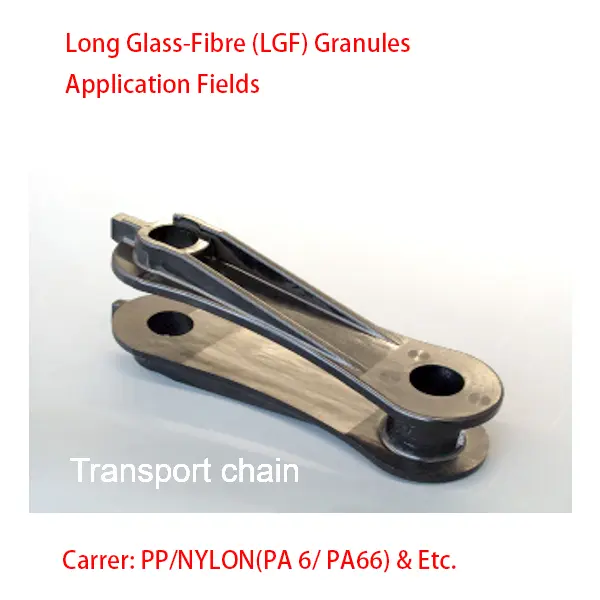
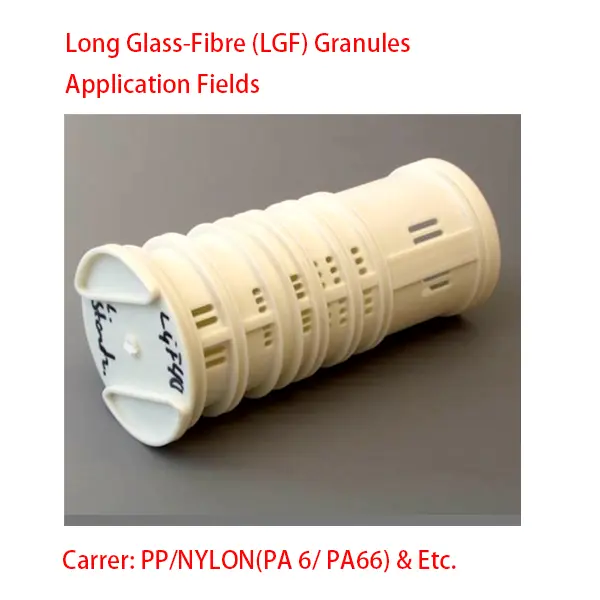
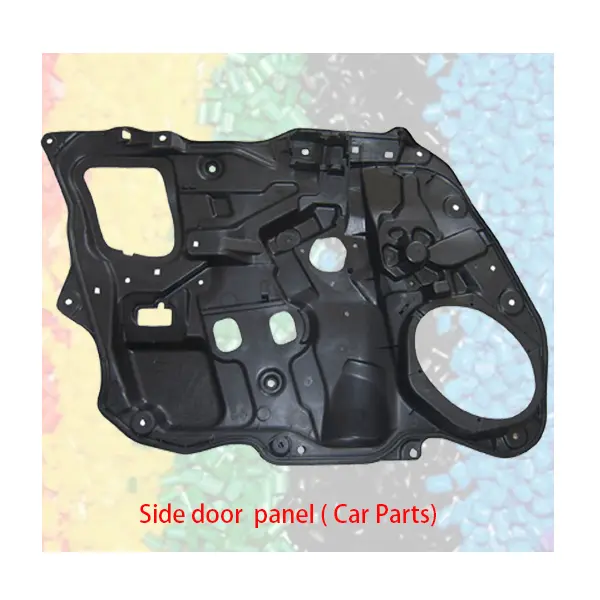
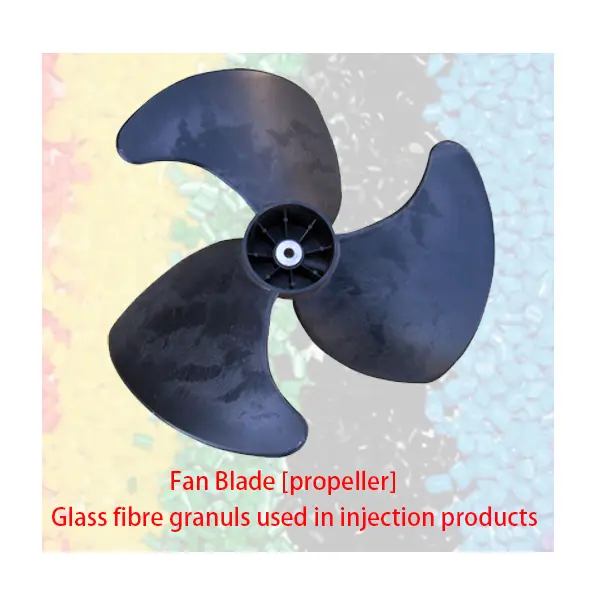
Automotive structural components, heavy-duty washing machine tubs, small kitchen electrical appliances, chemical pump housings, pneumatic valve bodies, and outdoor power tool housings.
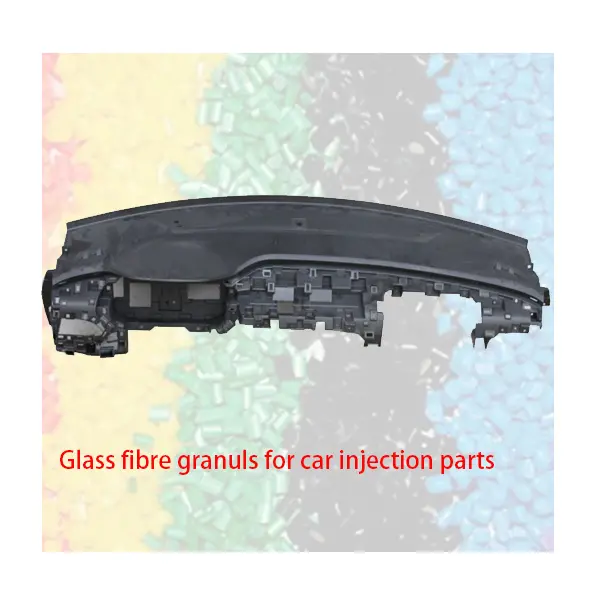
Expert technical answers regarding structural compound selection, injection processing, and export compliance:
Alkali-Resistant (AR) Glass Fiber contains a minimum of 16.5% Zirconia ($ZrO_2$), which forms an insoluble passivating surface layer when exposed to alkaline solutions (pH > 12.5). Standard E-Glass breaks down over time in alkaline environments (such as hardening Portland cement or chemical processing matrices), leading to loss of tensile reinforcement. AR Glass Fiber maintains structural integrity over long operational lifespans.
Processing LGF granules (typically 10mm–12mm in pellet length) requires low shear injection parameters to preserve fiber length. Machine operators should utilize low backpressure, low screw RPM, open-channel nozzles, and wider gate dimensions. Minimizing fiber degradation allows the composite part to retain an internal 3D fiber network, drastically improving energy absorption and tensile strength.
LGF-PA6 provides up to a 40% weight reduction compared to aluminum or steel die-castings while retaining structural rigidity across thermal operational windows (-40°C to 120°C). Furthermore, LGF-PA6 offers intrinsic corrosion resistance, reduced manufacturing steps via single-shot injection molding, and superior sound damping properties.
Our plant in Maoshan, Jurong City leverages direct connection via expressways to Zhenjiang Port and Nanjing Port for FCL/LCL ocean freight container shipments. Air freight samples and urgent deliveries are dispatched through Nanjing Lukou International Airport, ensuring flexible global delivery lead times.
Comprehensive catalog of specialty grade glass fiber reinforced thermoplastic granules (TPU, PE, PA12, PA66) and structural polymer blends.
 Best Composite