Premium grade Long Glass Fiber Reinforced Polymers engineered for extreme mechanical load distribution, metal-replacement applications, and thermal structural durability.
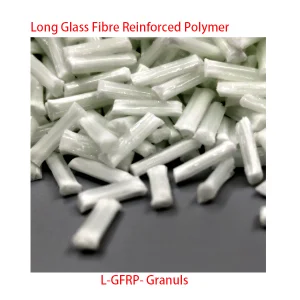
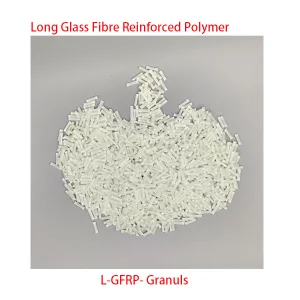
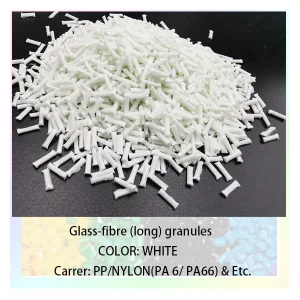
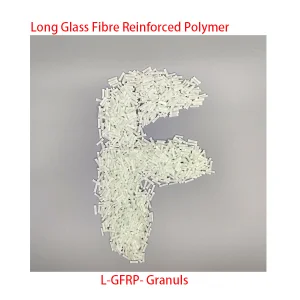
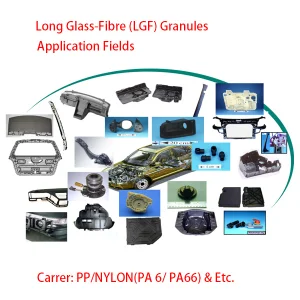
The global industrial sector is undergoing a monumental paradigm shift. Driven by rigorous regulatory frameworks targeting automotive carbon emissions and an urgent need for energy conservation across manufacturing hubs, engineering teams are aggressively seeking viable alternatives to traditional metals like structural steel, die-cast aluminum, and heavy zinc alloys. As a result, Long Glass Fiber Reinforced Polymer (LGFRP) technologies have emerged as the premier standard for high-performance structural composites.
Unlike standard short-fiber configurations, LGFRP compounds retain a critical three-dimensional structural network during consolidation and molding. This skeletal fiber orientation distributes mechanical stress, drastically improving fatigue resistance, creep parameters, and ultimate impact thresholds. Across global logistics networks, exporting specialized LGFRP formulations demands deep polymer chemistry mastery and rigorous quality controls. This is where modern composite engineering companies set themselves apart.
Analyzing the mechanical mechanics of long fiber impregnation, polymer matrices, and interfacial shear strength under extreme thermodynamic stress conditions.
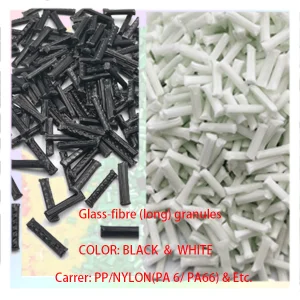
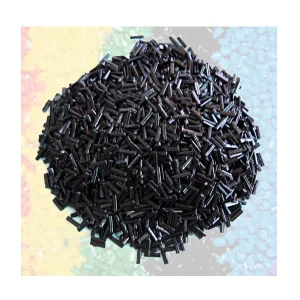
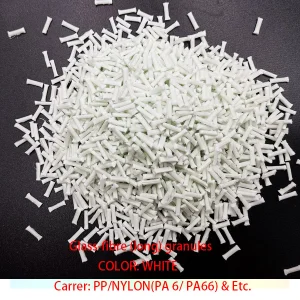
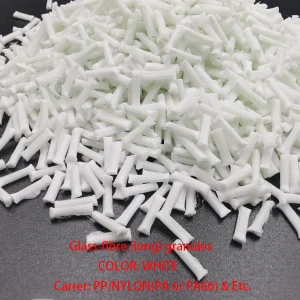
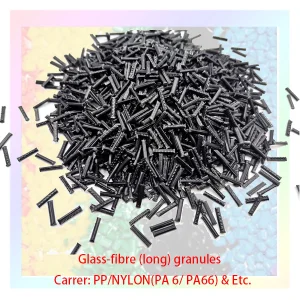
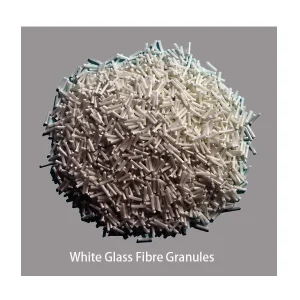
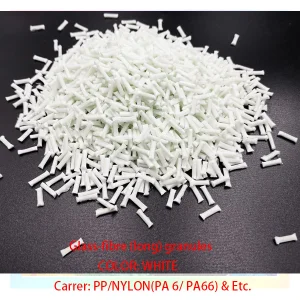
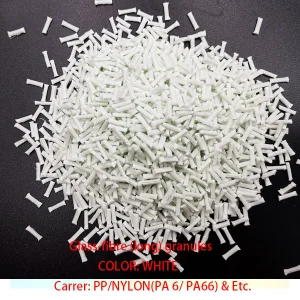
Standard short glass fiber compounds (<1.0 mm) only provide filler-like strength. Jurong Best’s pultrusion compounding technology preserves a continuous 5mm to 25mm fiber length within the resin pellet. During final injection molding, these fibers entangle to form an internal structural skeleton that absorbs energy, prevents crack propagation, and distributes structural loads.
We systematically modify base engineering plastics to enhance structural performance. For example, Nylon-PA6 and PA66 matrices are optimized for wear resistance and tensile modulus, while Polyphenylene Sulfide (PPS) variants provide chemical stability in harsh chemical environments.
A plastic composite's strength depends on the bond between the fiber glass and the polymer matrix. We treat our glass fibers with customized chemical coupling agents (such as organofunctional silanes). This prevents fiber-matrix debonding under cyclical mechanical stress, keeping components reliable for long-term use.
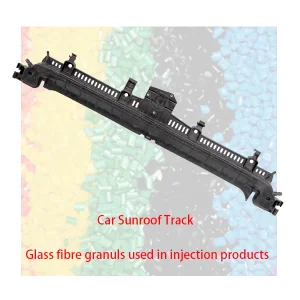
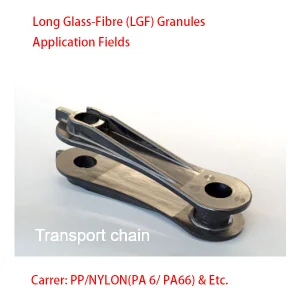
Our long-fiber granules are engineered for specific, high-stress industrial applications. A key example is the modern automotive sunroof track assembly. Traditional designs relied on extruded aluminum, which added weight and required complex machining. By switching to our customized glass-fiber reinforced injection-molded polyamide matrices, OEMs achieve up to 35% weight reduction while maintaining precise tolerances and high stiffness.
Similarly, in household appliances like washing machine drums, pump components, and dishwashers, cyclic vibration and hot water exposure can rapidly degrade standard plastics. Our PP-LGF and PBT-LGF compounds resist deformation, chemical attack from detergents, and moisture absorption over years of continuous service. This makes our composites a reliable, high-performance choice for manufacturers worldwide.
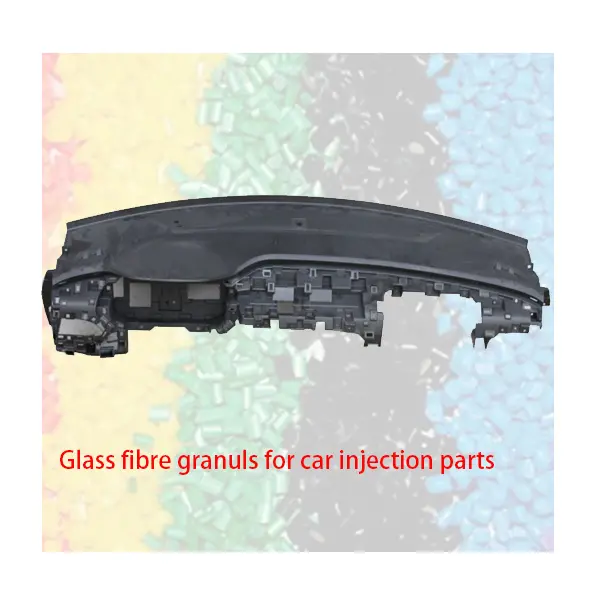
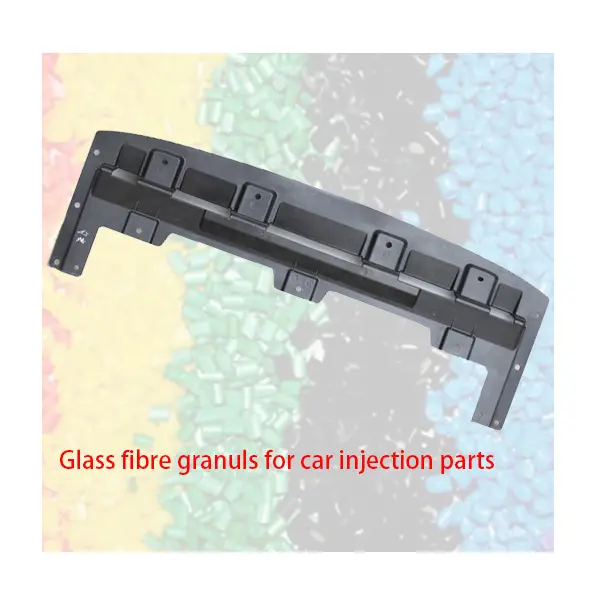
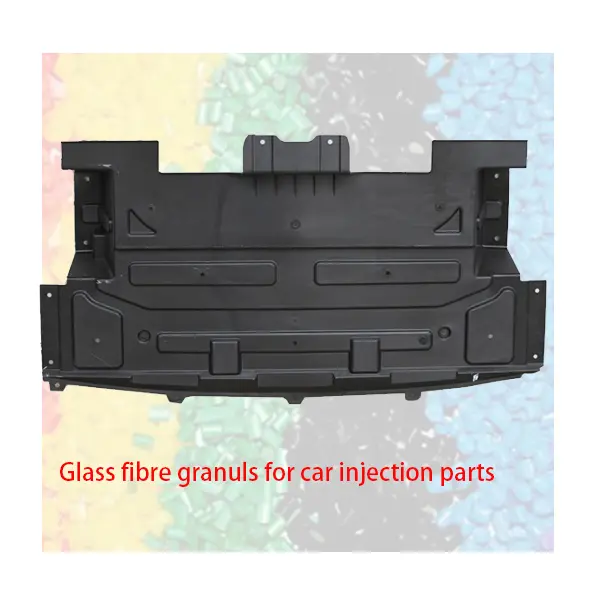
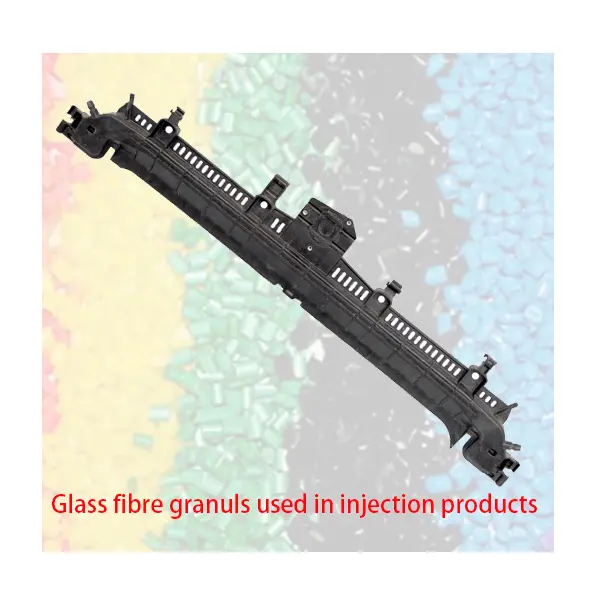
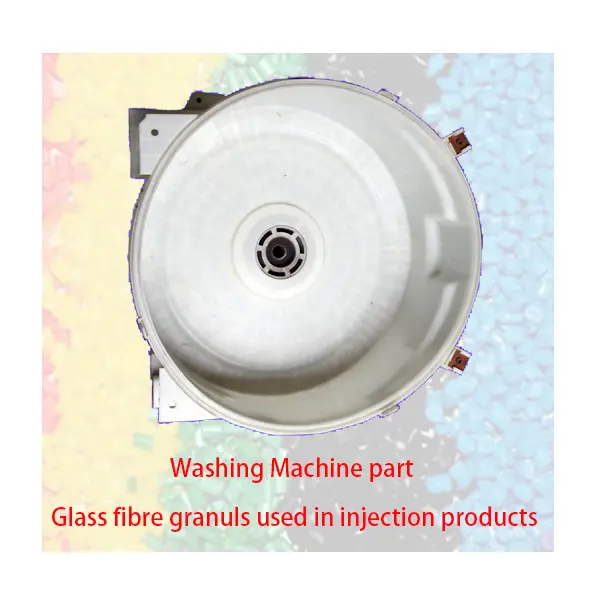
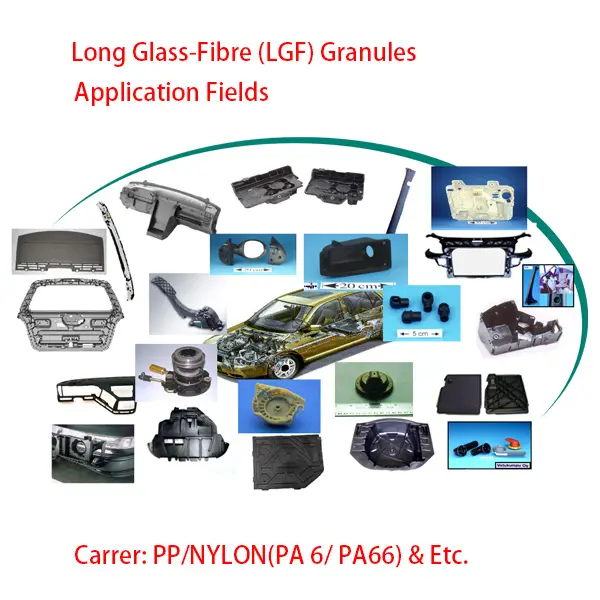
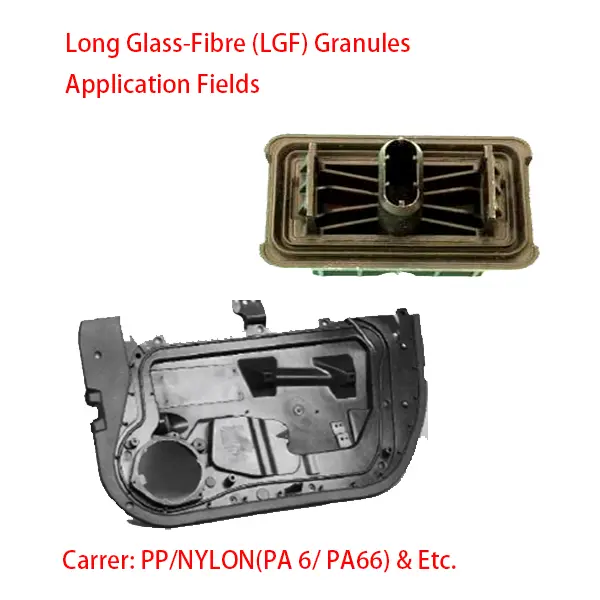
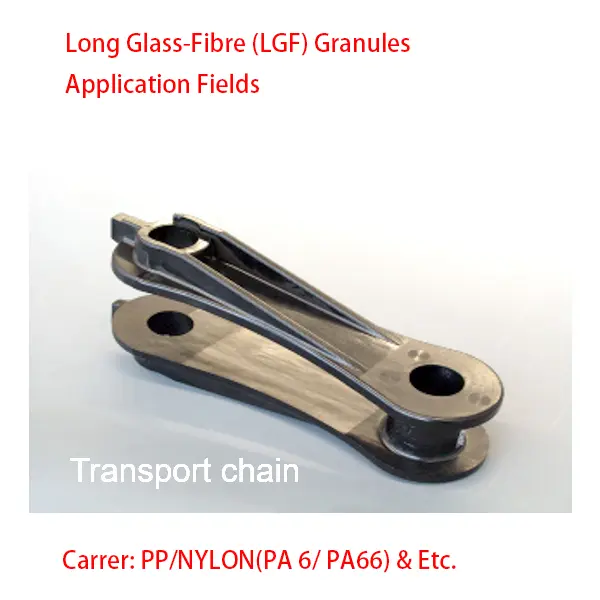
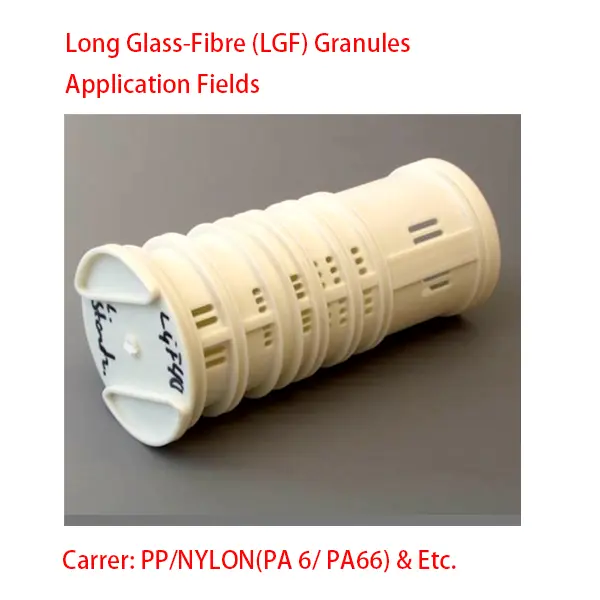
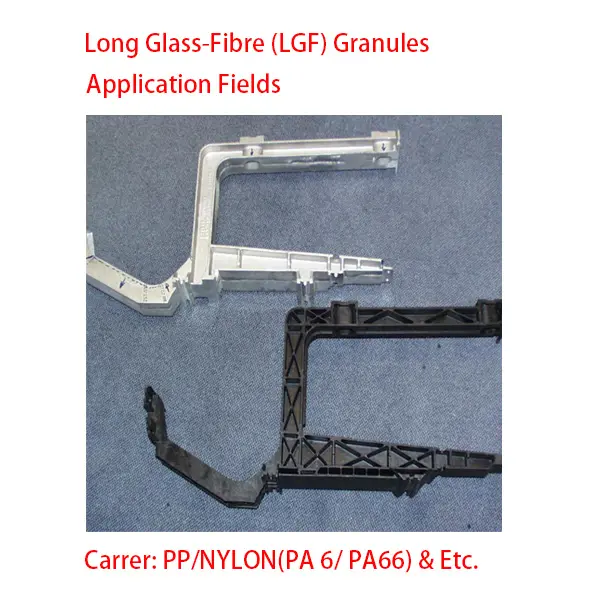
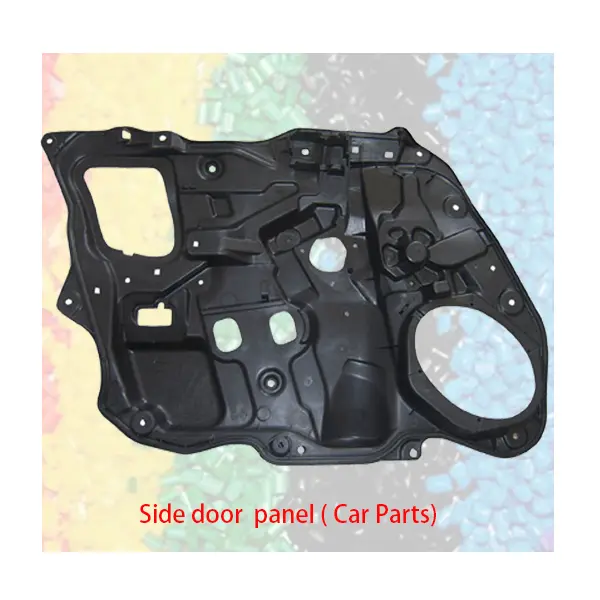
Our production facilities utilize state-of-the-art compounding lines designed to minimize fiber breakage and deliver uniform glass fiber dispersion.
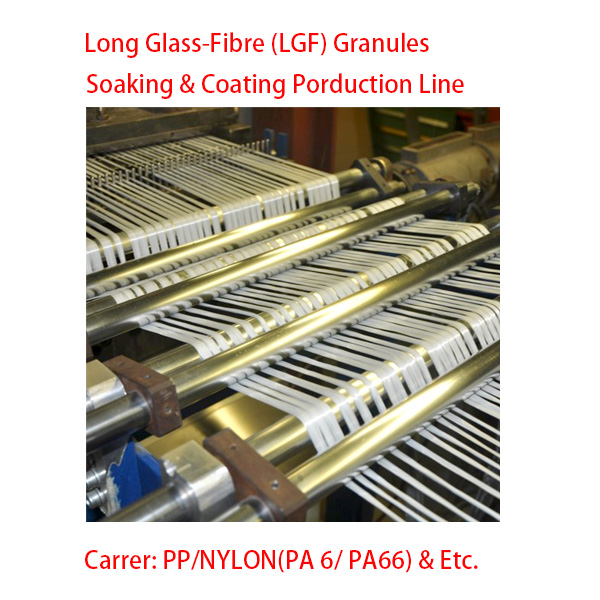
Processing long-fiber pellets requires strict process control. Traditional compounding methods can easily break glass fibers, reducing their reinforcing effect. Our advanced co-rotating twin-screw pultrusion process pulls continuous roving glass fiber bundles through a proprietary crosshead die, ensuring each filament is completely coated and wet out with molten polymer matrix.
We control temperature zones across the extruder barrel within ±1°C. This prevents polymer degradation while ensuring optimal melt viscosity. By optimizing our drying systems and pultrusion speeds, we prevent structural voids, ensuring consistent material performance and reliability in every batch.
Every shipment from our Zhenjiang facility undergoes strict testing to meet international engineering standards. We verify ash content (ISO 3451) to confirm accurate fiber glass ratios and run mechanical tests for tensile modulus and Charpy impact strength. Our materials are CE Certified and comply with global REACH and RoHS environmental directives.
This commitment to quality control is why international tier-1 automotive suppliers and electronics manufacturers trust us as a regular exporter. Our materials deliver the consistent performance required for demanding industrial applications.
Your strategic composite manufacturing partner in the Yangtze River Delta Economic Zone.
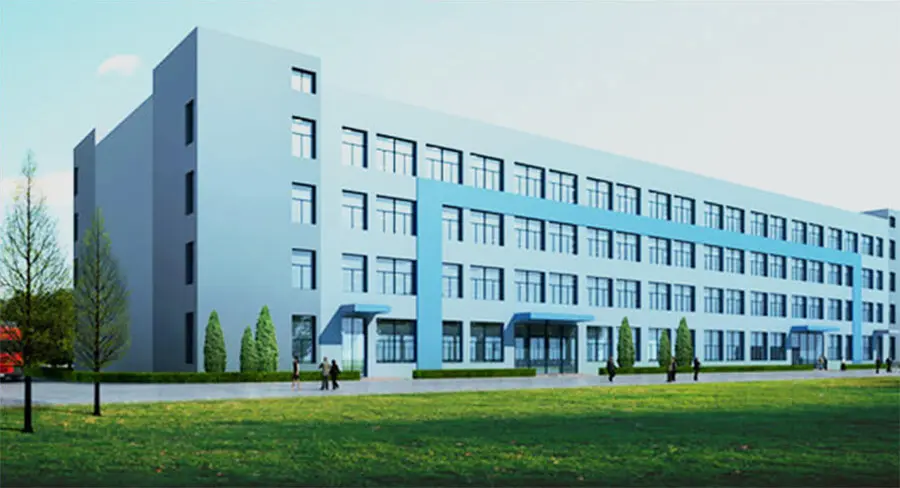
Jurong Best Composite Materials Co., Ltd. is located in the ancient town of Maoshan, which has a history of over a thousand years. Maoshan is part of Jurong City, Zhenjiang, Jiangsu Province, China. Positioned on the lower reaches of the Yangtze River, our facility is adjacent to Nanjing and close to Nanjing Lukou International Airport, ensuring efficient domestic and international logistics.
Our location offers excellent transport connections, with the Jianning-Taicang Expressway running nearby and the Jurong exit of the Shanghai-Nanjing Expressway connecting directly to Zhenjiang Port and Nanjing Port. Operating in the heart of the Yangtze River Delta Economic Zone, we provide fast, reliable export shipping to structural composite markets worldwide.
With an experienced technical support team and advanced test laboratories, we help clients select the right materials, troubleshoot processing issues, and optimize mold designs. We work closely with our partners to deliver high-quality composite solutions tailored to their needs.
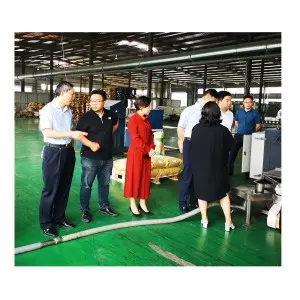
Clients visited our production facility today for a detailed quality audit of our PA6 and PA66 long GFRP (Glass-Fiber-Reinforced-Polymer) granules. The audit confirmed our strict quality control processes meet their high standards.
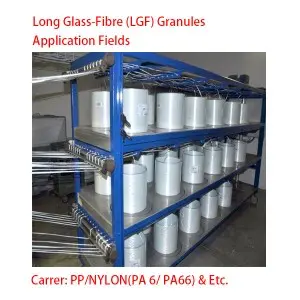
We have successfully launched a new manufacturing line in our main workshop to meet growing international demand. The line is operating at full capacity, helping us increase production and shorten delivery lead times.
Find answers to common questions about selecting, processing, and designing with Long Glass Fiber Reinforced Thermoplastics.
Engineered grades designed for high-temperature stability, wear resistance, and extreme impact strength in challenging industrial applications.
 Best Composite