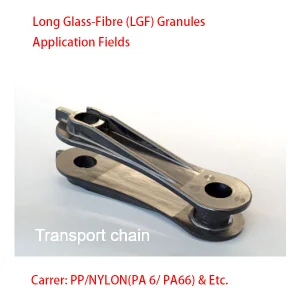
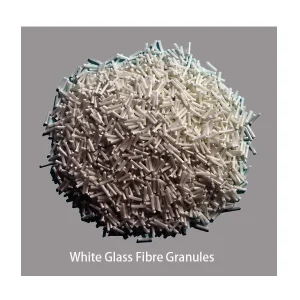
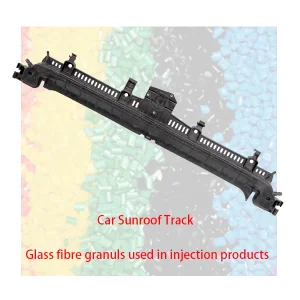
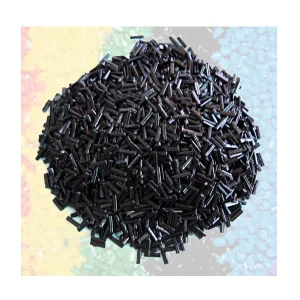
In the contemporary landscape of material science, Long Glass Fiber Reinforced Polymer (LGFRP) stands as a transformative technology. As global industries pivot towards "lightweighting" and "high-performance durability," the demand for advanced thermoplastic composites has surged. Jurong Best Composite Materials Co., Ltd., a leader in the field, provides critical insights into how these materials are redefining structural integrity across automotive, aerospace, and industrial sectors.
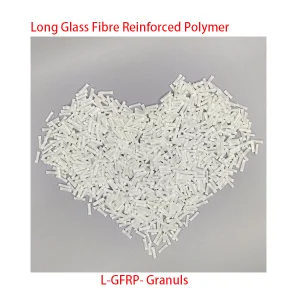
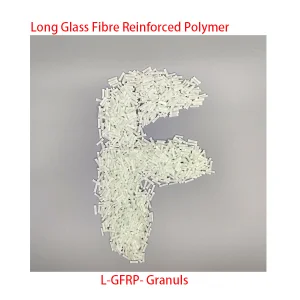
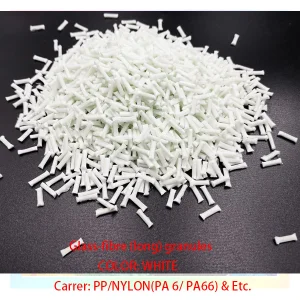
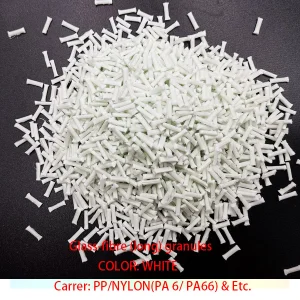
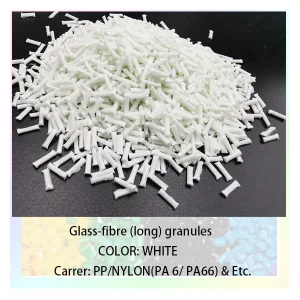
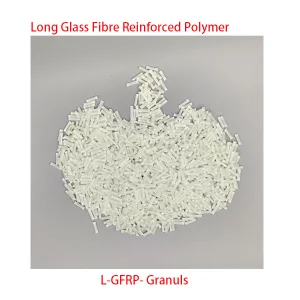
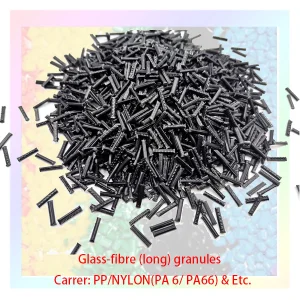
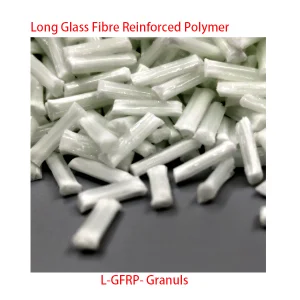
Thermoplastics differ from thermosets by their ability to be melted and reshaped, making them inherently more sustainable and versatile for high-volume injection molding. When reinforced with long glass fibers (typically 10mm to 25mm), the resulting composite exhibits a three-dimensional skeletal network that provides vastly superior impact resistance, creep resistance, and dimensional stability compared to traditional short-fiber plastics.
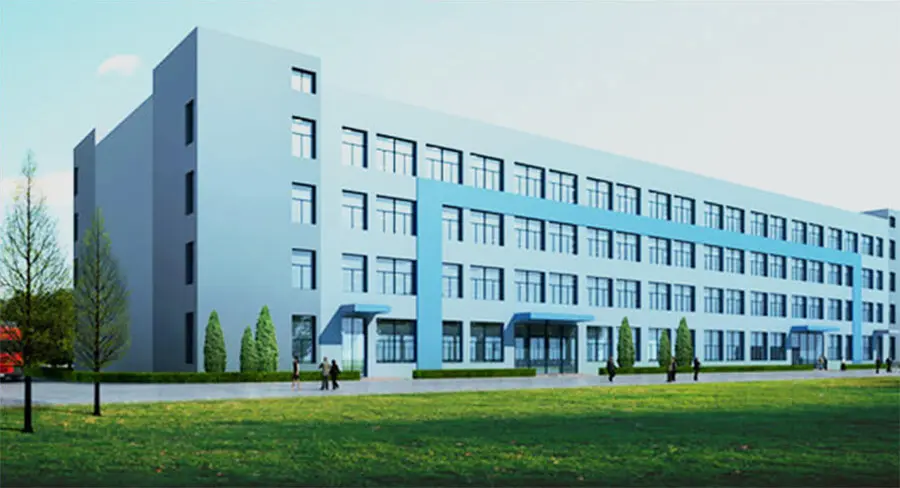
Jurong Best Composite Materials Co., Ltd. is strategically located in the historic town of Maoshan, Jurong City, Jiangsu Province. With over a thousand years of history, our location is not just a cultural landmark but a logistical powerhouse. Situated in the lower reaches of the Yangtze River and adjacent to Nanjing, our facility enjoys seamless connectivity via the Nanjing Lukou International Airport and the Jianning-Taicang Expressway.
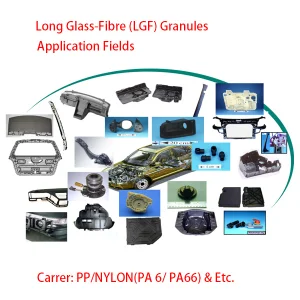
Our proximity to the Shanghai-Nanjing Expressway, Zhenjiang Port, and Nanjing Port allows us to serve the Yangtze River Delta Economic Zone and global markets with unparalleled efficiency. We specialize in the development of GFRP granules for specialized applications including automotive components, washing machine parts, and high-end kitchen electrical appliances.
The transition to Electric Vehicles (EVs) requires massive weight reduction to extend battery range. LGF-PP and LGF-PA66 are replacing metal brackets, modules, and battery housings.
High-modulus thermoplastics like PPS and PBT reinforced with long fibers offer the chemical resistance and thermal stability needed for heavy-duty pumps and valves.
From kitchen appliances to structural frames for laptops, LGFRP provides the aesthetic finish of plastic with the rigidity of magnesium alloys.
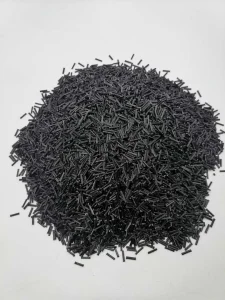
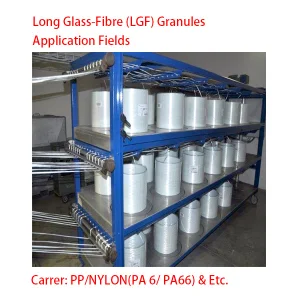
Our technical route focuses on the "Pultrusion" process, ensuring that fibers remain intact and aligned throughout the granule. This maximizes the Aspect Ratio (length-to-diameter ratio), which is the primary driver of mechanical performance in thermoplastics.
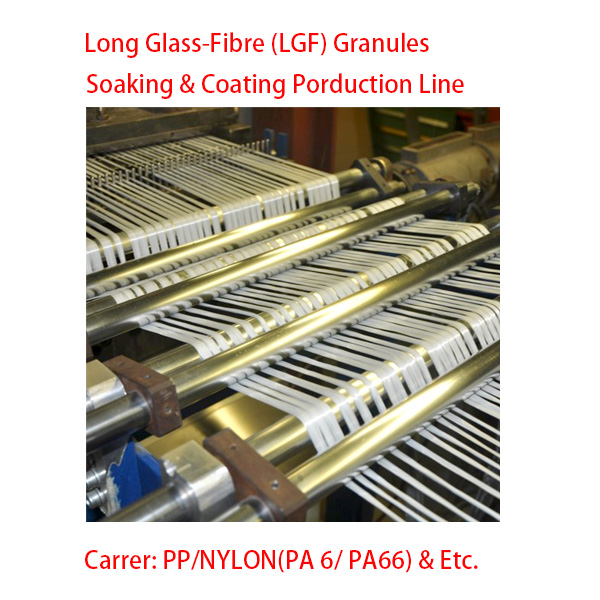
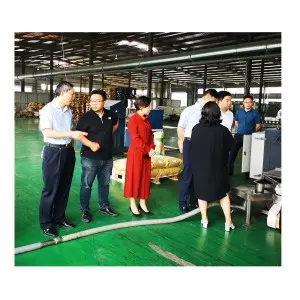
In November 2019, international clients conducted a rigorous inspection of our PA6 and PA66 long GFRP production lines. Our quality control protocols exceeded industry benchmarks, leading to long-term partnership agreements.
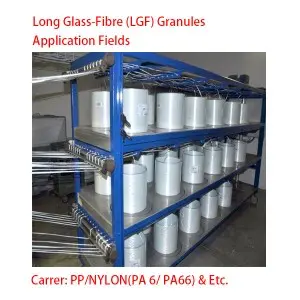
To meet the growing global demand, we successfully commissioned a new GFRP machine line in our workshop. This expansion has doubled our output capacity while maintaining ISO-certified precision.
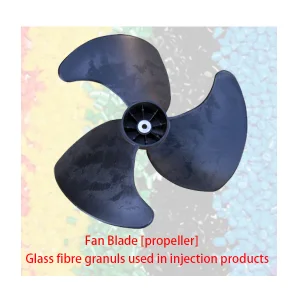
"The GFRP granules can make different kinds of special products, such as car parts, washing machine parts, small kitchen electrical appliances and more."
— Internal Quality Report, 2019-11-15
Lightweight composites for non-structural interior components, reducing fuel consumption and carbon footprint.
Structural components for solar tracking systems and wind turbine blade internal reinforcements.
High-strength, sterilizable frames for diagnostic machinery and ergonomic surgical tools.
Corrosion-resistant reinforcements for bridge decks and marine environments where steel fails.
Long glass fibers form an internal network that dissipates energy more effectively. This results in significantly higher impact strength and better resistance to "creep" (deformation under constant load) at high temperatures compared to short-fiber reinforced plastics.
We utilize an automated pultrusion line with real-time tension control and temperature monitoring. Every batch of GFRP (PA6, PA66, PP) undergoes rigorous mechanical testing for tensile strength and fiber content percentage.
Yes. Unlike thermoset composites, our LGFRP products can be reground and reprocessed. While fiber length reduces during recycling, the material retains significant value for secondary structural applications.
Absolutely. We offer glass fiber loading from 20% to 60% across various resin matrices (PP, PA, TPU, PPS, PBT) to meet specific modulus and impact requirements.
We adhere to international standards including ISO 9001 and REACH/RoHS compliance to ensure our materials are safe for global export. Our technical support team provides comprehensive injection molding parameter optimization for our clients, ensuring that the "Long Fiber" advantage is preserved in the final molded part.
For inquiries about our products or pricelist, please leave your email to us and we will be in touch within 24 hours.
 Best Composite