 Best Composite



The Strategic Shift: Polymers in Automotive Engineering
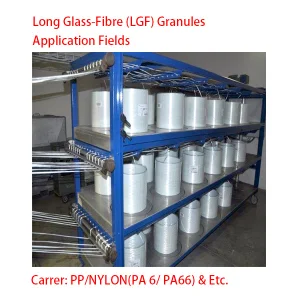
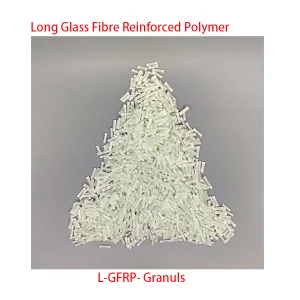
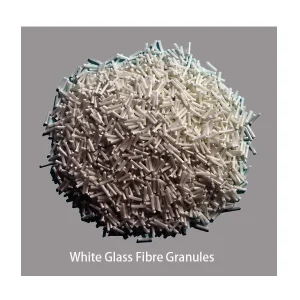
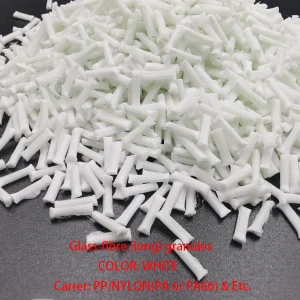
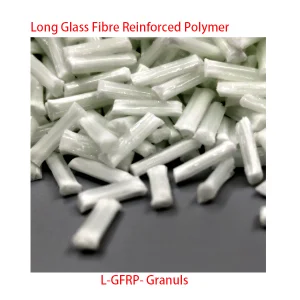
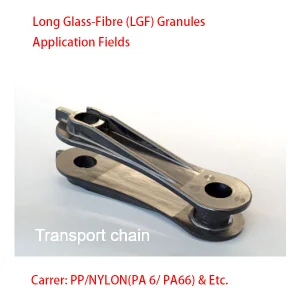
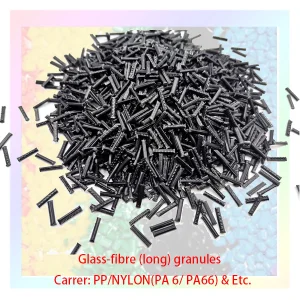
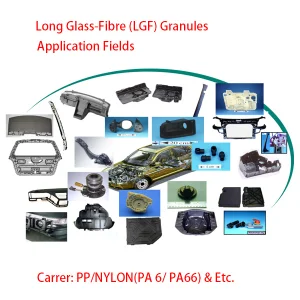
The global automotive industry is undergoing a seismic transformation. The mandate for lightweighting—driven by the necessity for extended range in Electric Vehicles (EVs)—has propelled high-performance plastics, specifically Long Glass Fibre Reinforced Polymers (GFRP), to the forefront of material science. Unlike traditional metal components, engineered plastics offer a superior strength-to-weight ratio, enabling complex geometric designs that reduce assembly time and NVH (Noise, Vibration, and Harshness) levels.
Technical Roadmap & Future Outlook
Our research indicates that the future of automotive plastic lies in bio-based resins and circular economy recycling streams. The technical roadmap is pivoting toward:
- Thermal Stability: Advancements in PPA and PPS (Polyphenylene Sulfide) to withstand high-temperature environments near electric drivetrains.
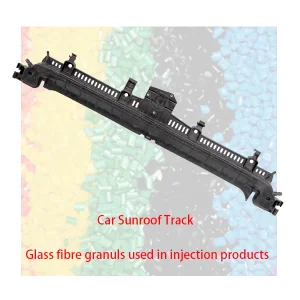
- Structural Integration: Moving beyond "plastic as a trim" to "plastic as a structural component" (e.g., front-end modules, sunroof tracks).
- Intelligent Manufacturing: Leveraging AI-driven mold flow analysis to predict warpage and structural integrity before mass production begins.
China Factory 4.0: Supply Chain Resilience
Located in the heart of the Yangtze River Delta, our facility embodies the China Factory 4.0 paradigm. We offer global buyers more than just competitive pricing; we offer supply chain resilience. By integrating automated quality inspection and rapid prototyping capabilities, we reduce the "Design-to-Delivery" cycle by over 30%. In an era of global logistics uncertainty, our proximity to major international hubs (Nanjing and Shanghai) ensures uninterrupted material flow.