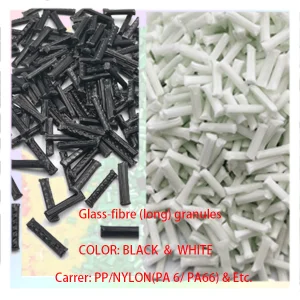
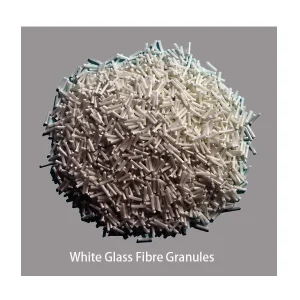
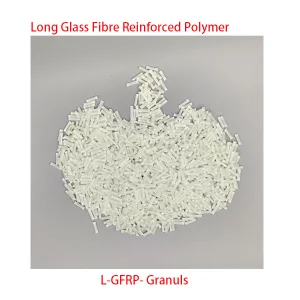
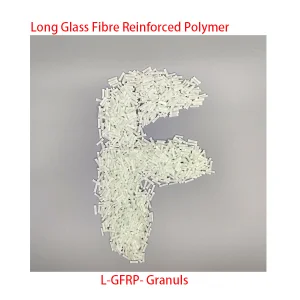
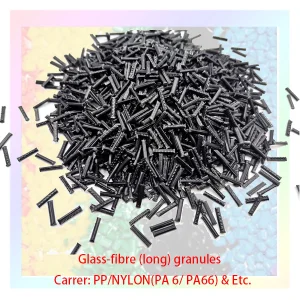
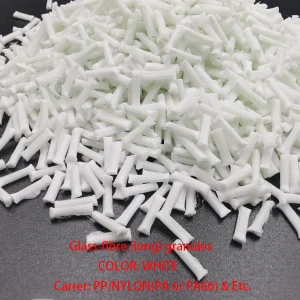
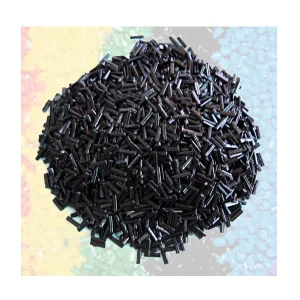
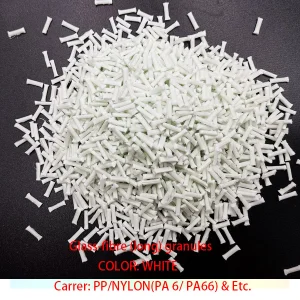
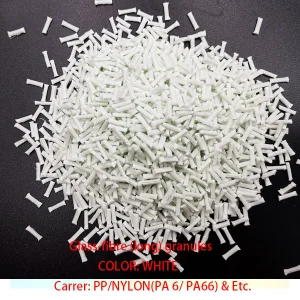
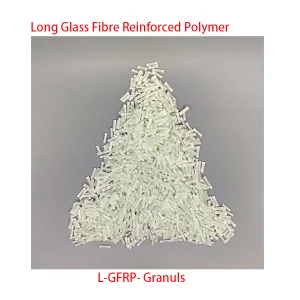
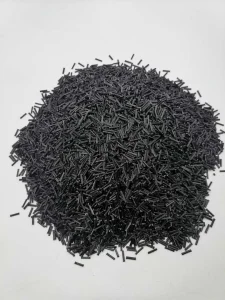
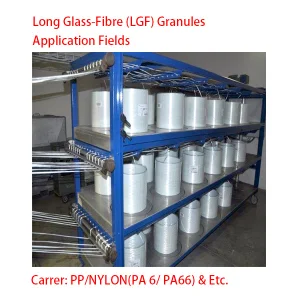
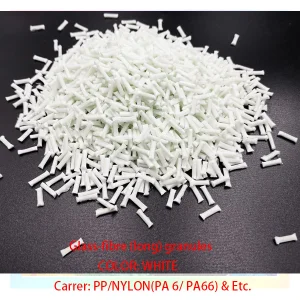
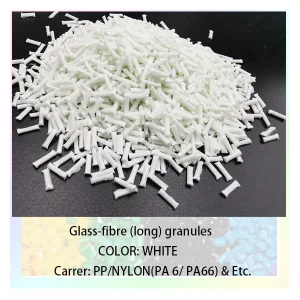
The global demand for high-performance composite materials, specifically Long Glass Fiber Reinforced Polymer (LGF), is witnessing a CAGR (Compound Annual Growth Rate) surge driven by the automotive, aerospace, and consumer electronics sectors. As industries transition toward carbon neutrality, the need for lightweight alternatives to metal components has positioned our "Fiber and Glass" factories at the epicenter of material science evolution. We bridge the gap between heavy industrial output and precise engineering requirements.
Our R&D focus is shifting from simple fiber impregnation to advanced thermoplastic matrix compatibilization. Future outlooks suggest a massive pivot toward bio-based polymers reinforced with recycled glass fibers. Our manufacturing facilities are currently upgrading to IoT-enabled injection lines, ensuring that every batch of Nylon (PA6, PA66), PBT, and PP granules meets rigorous structural and thermal integrity standards.
Situated in the strategic economic hub of Jurong City, Jiangsu, we leverage the lower Yangtze River Delta's robust logistics infrastructure. With proximity to major ports and logistics hubs, we provide global clients with reliable supply chain solutions. Our expertise is not just in supply, but in providing *Information Gain*—helping our clients choose the exact reinforcement percentage for their specific injection molding project to maximize strength and minimize cost.
Replacing metal structural parts with LGF-reinforced PA66 to reduce fuel consumption and EV battery drain while maintaining crash safety performance.
Enhancing thermal stability and durability for appliance housings, washing machine components, and high-heat resistant electrical connectors.
Providing high-modulus polymer granules for high-stress industrial gears, pumps, and valves that require extreme chemical and heat resistance.
LGF provides a superior skeletal network within the plastic matrix. This leads to significantly higher impact resistance, fatigue endurance, and creep resistance compared to short glass fibers, making it ideal for structural applications.
Yes. As a direct factory, we customize fiber content (e.g., 20%, 30%, 40%, 50%) and matrix type (PA6, PA66, PBT, PP) to meet specific technical data sheet (TDS) requirements for your injection projects.
Our quality control protocol involves rigorous testing of fiber dispersion, moisture content, and tensile strength before, during, and after the compounding process. We welcome client inspections or third-party audits.
Subscribe to our newsletter for insights on LGF technology and material innovation.
Subscribe Now Best Composite