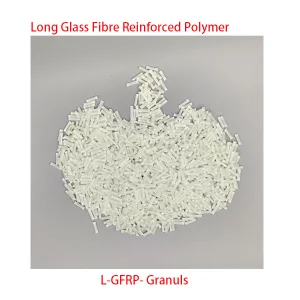
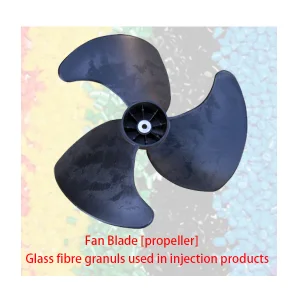
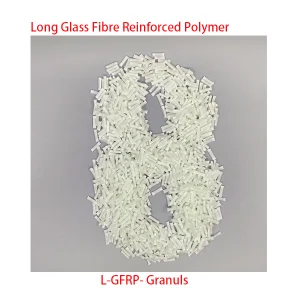
Explore our premium wholesale selections engineered to withstand severe environments with unparalleled weight reduction parameters.
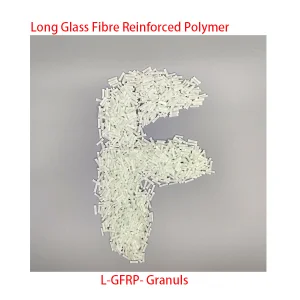
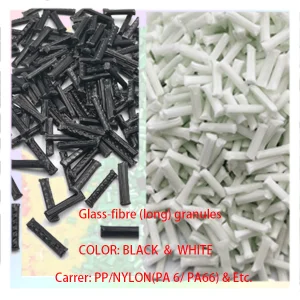
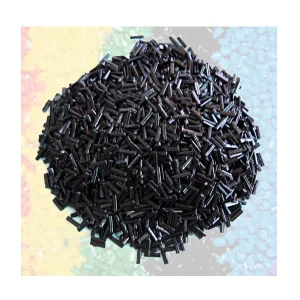
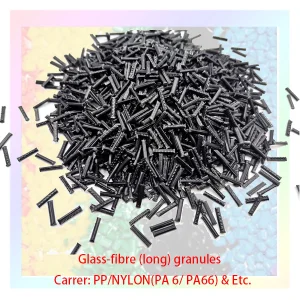
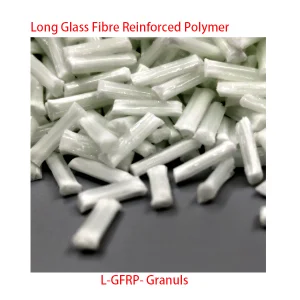
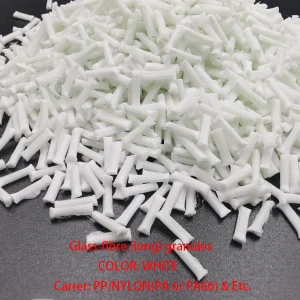
In the contemporary domain of advanced polymer science, industrial designers face a persistent engineering challenge: how to design structural components that exhibit high structural integrity while decreasing overall mass. Long Glass Fiber Reinforced Polypropylene (LFT-PP or Long PP) has emerged as the definitive answers to this paradigm shift. By maintaining a high fiber aspect ratio during production, LFT-PP acts as a formidable metal-replacement material that reconciles stiffness, cost, and processability.
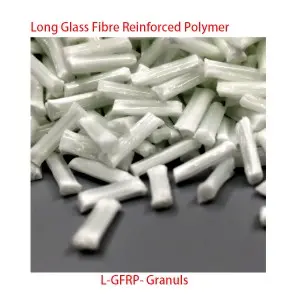
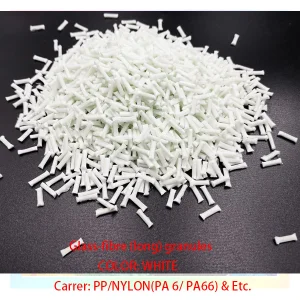
Unlike standard short-fiber composites where fiber lengths are restricted to a sub-millimeter range (often under 0.8mm), our sophisticated pultrusion lines preserve an internal fiber skeleton spanning up to 10mm to 25mm. This uninterrupted internal structure ensures mechanical loads are uniformly dispersed along structural vectors, imparting significantly higher energy dissipation capabilities under dynamic impacts.
To assist technical procurement leads in making informed decisions, we have consolidated critical mechanical characteristics of our prominent polymer compounds:
| Mechanical Metric | Standard Short PP (30% GF) | Jurong Best Long PP (30% GF) | Long PA6 / PA66 (50% GF) | Key Engineering Benefit |
|---|---|---|---|---|
| Tensile Strength (MPa) | 75 - 90 | 120 - 145 | 210 - 245 | Improves load-bearing performance in architectural and dynamic stress configurations. |
| Flexural Modulus (GPa) | 5.5 | 7.8 - 9.2 | 14.5 - 16.8 | Mitigates bending moments and prevents structural deflection over extended lifetimes. |
| Notched Impact Strength (kJ/m²) | 7.5 - 9.0 | 18.0 - 24.0 | 28.0 - 35.0 | Outstanding shatter-resistance during severe sub-zero thermal exposure down to -40°C. |
| Dimensional Stability (Shrinkage) | High (0.8%) | Extremely Low (<0.15%) | Minimal (<0.1%) | Prevents warpage in large-scale geometric injection profiles. |
| Relative Moisture Absorption (%) | <0.05% | <0.05% | 1.5% - 2.8% | Long PP remains hydrophobic, ensuring reliable dimensions in marine climates. |
As the automotive and consumer goods sectors face stringent regulatory pressures to reduce Carbon Intensity Indexes (CII), our research and development labs are leading several major technological initiatives for the 2025–2030 horizon:
Developing fully traceable Post-Consumer Recycled (PCR) polypropylene matrices infused with prime glass fibers, keeping performance levels within 92% of virgin resin profiles.
Integrating pultruded long PP filaments directly into lightweight cross-laminated sheets to produce highly impact-resistant sandwich panels.
Applying custom chemical coupling agents that ensure complete molecular interlocking at the interface of polypropylene chains and continuous glass strands.
Through systematic upgrades of our pultrusion manufacturing equipment, we have successfully optimized fiber wet-out rates. Under microscopic cross-section evaluation, our fibers demonstrate exceptional matrix coverage, mitigating internal microscopic voids and reducing premature shear fractures during demanding cyclic operations.
Strategically situated in the ancient town of Maoshan, Jurong City, Zhenjiang, Jiangsu Province—an area steeped in over a thousand years of cultural history—Jurong Best Composite Materials Co., Ltd. stands as a premier manufacturer of composite formulations. Our prime geographic location within the dynamic lower reaches of the Yangtze River Delta offers unique supply chain advantages.
Being adjacent to Nanjing and in close proximity to Nanjing Lukou International Airport allows us to quickly host global technical delegations and complete critical air cargo shipments. Logistics are further enhanced by the nearby Jianning-Taicang Expressway, which intersects with the Shanghai-Nanjing Expressway, providing rapid access to the deepwater maritime terminals at Zhenjiang Port and Nanjing Port.
By leveraging the strong industrial base of the Yangtze River Delta Economic Zone, our facility operates with highly optimized procurement paths, ensuring competitive material pricing and stable production run rates.
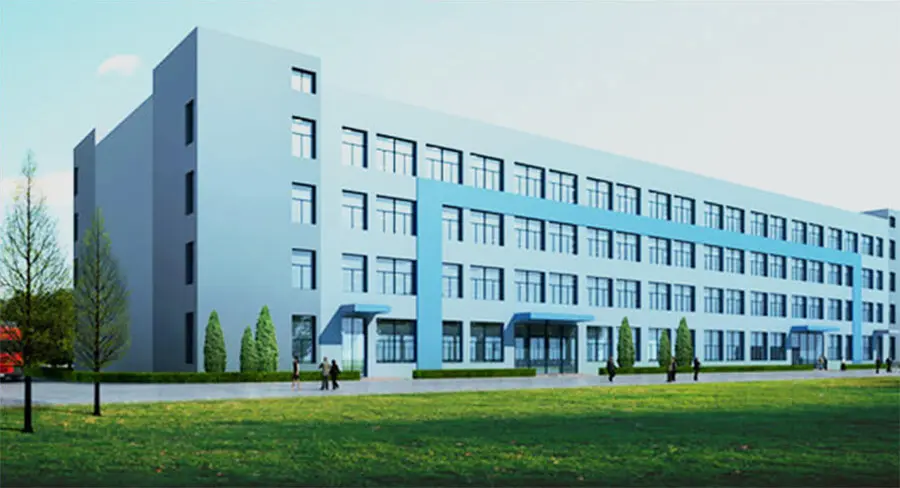
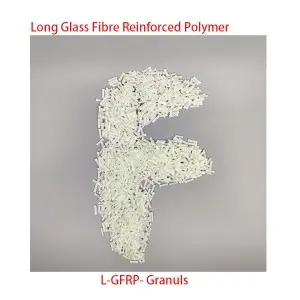
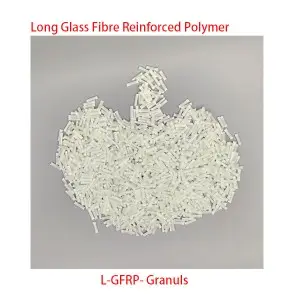
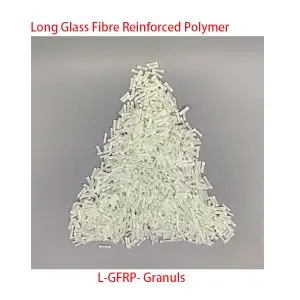
In an era defined by global supply chain volatility, Jurong Best Composite Materials Co., Ltd. has prioritized manufacturing predictability through targeted capital investments. Our production facility leverages state-of-the-art automation designed to insulate clients from fluctuating raw material costs and freight bottlenecks.
Our Industry 4.0 smart factory environment implements continuous gravimetric feeding systems alongside laser-assisted online pellet sizing control. Every step, from roving spool tension monitoring to die-immersion temperatures, is regulated by high-accuracy PLC setups. This meticulous process control minimizes lot-to-lot variance, ensuring that physical properties remain consistent across multiple manufacturing campaigns.
Through strategic partnerships with local monomer refineries, we maintain a secure buffer stock of premium raw polypropylene base resins. This raw material security, paired with low-emission logistics networks across the Yangtze River basin, enables us to offer stable multi-year pricing structures that protect our global wholesale partners from sudden inflationary spikes.
Additionally, our comprehensive environmental management systems comply fully with regional carbon emission mandates. By optimizing our energy consumption, we can deliver materials with a lower carbon footprint, assisting our European and North American partners in meeting their Scope 3 emission targets.
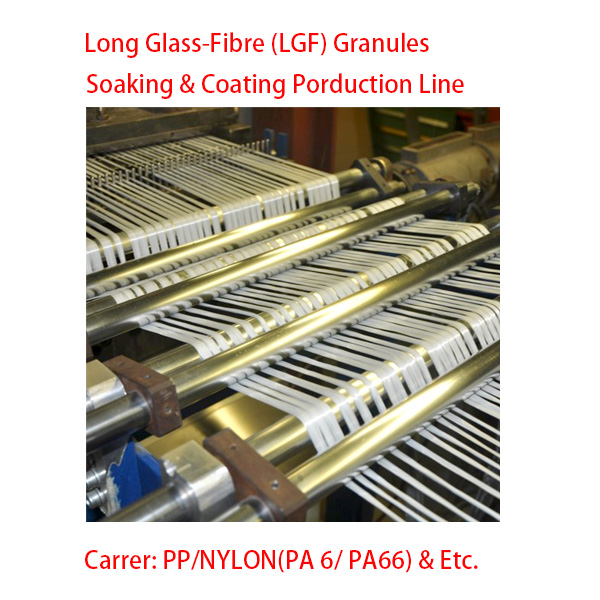
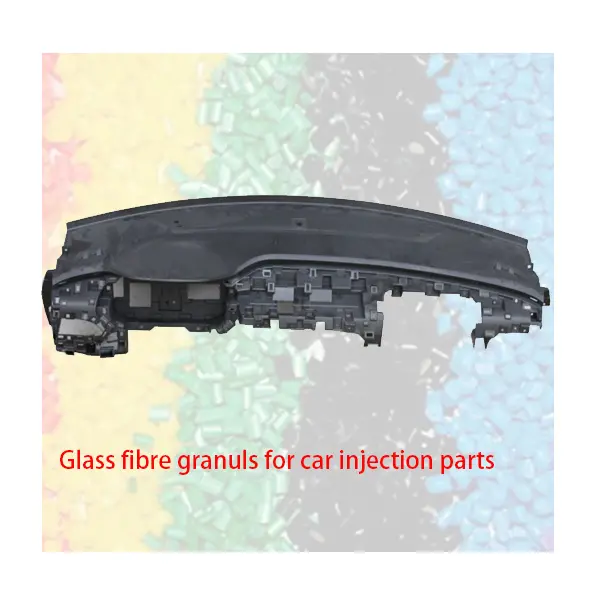
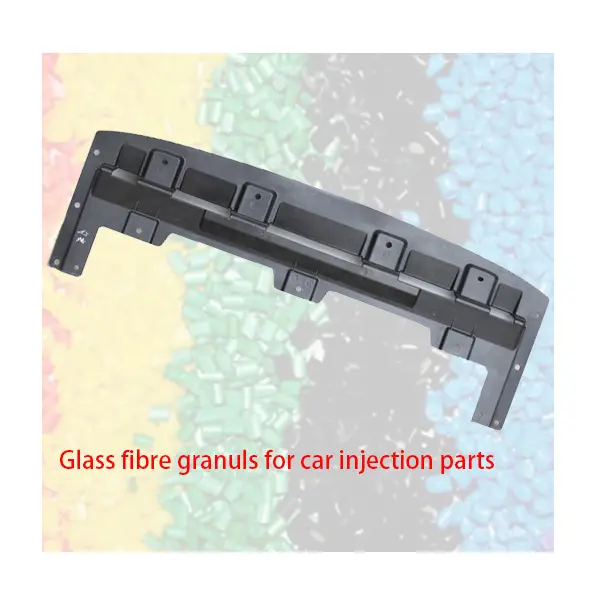
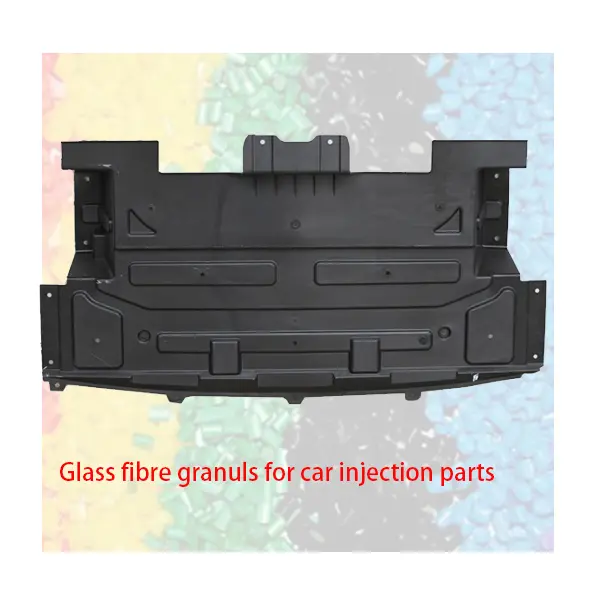
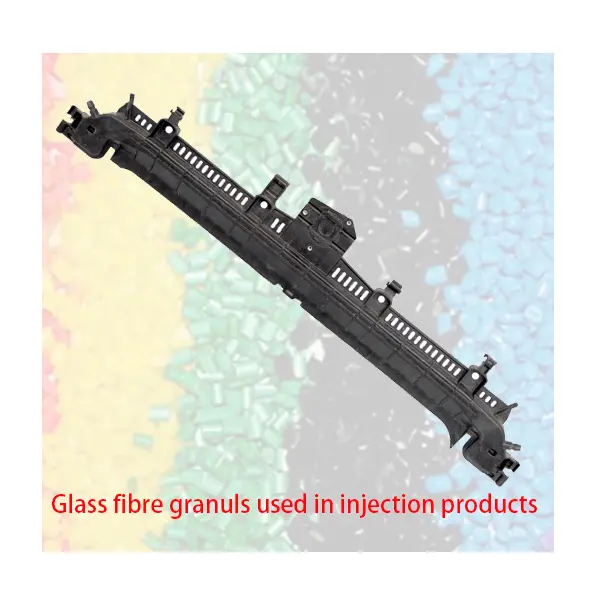
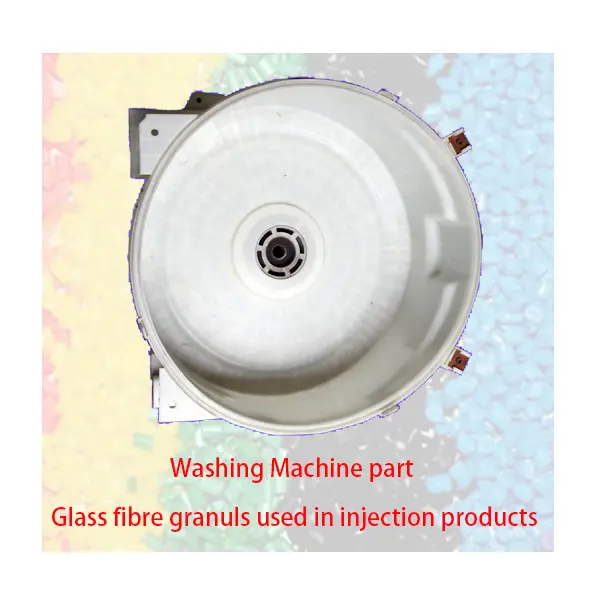
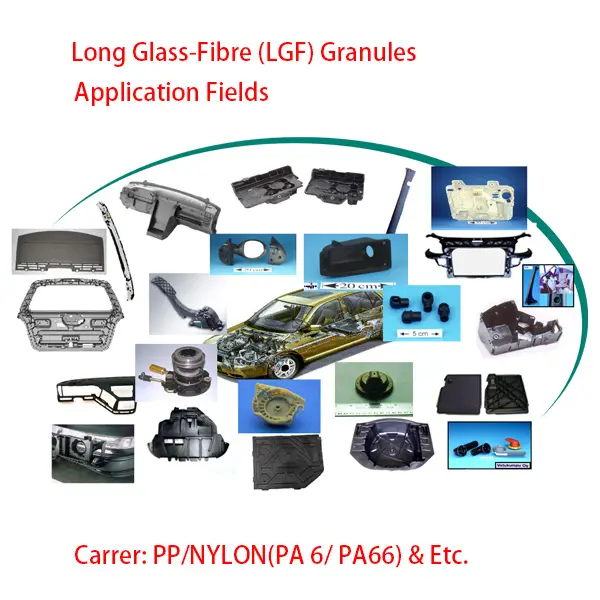
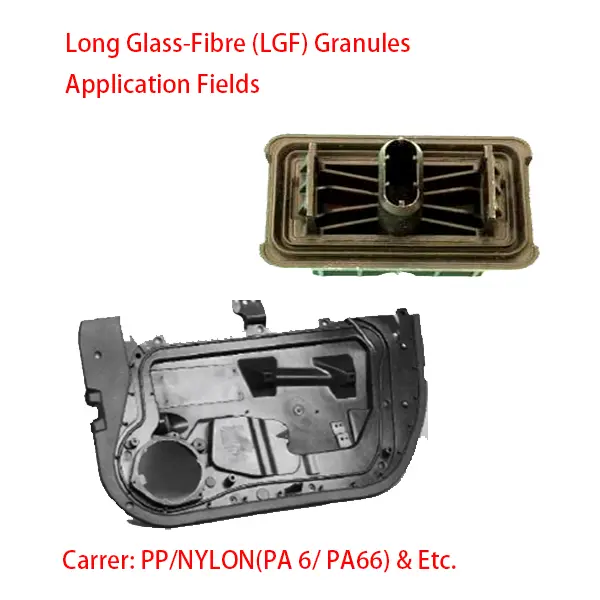
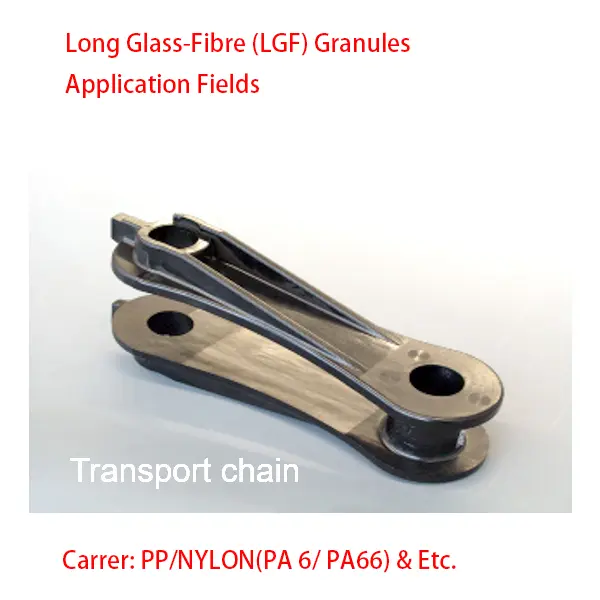
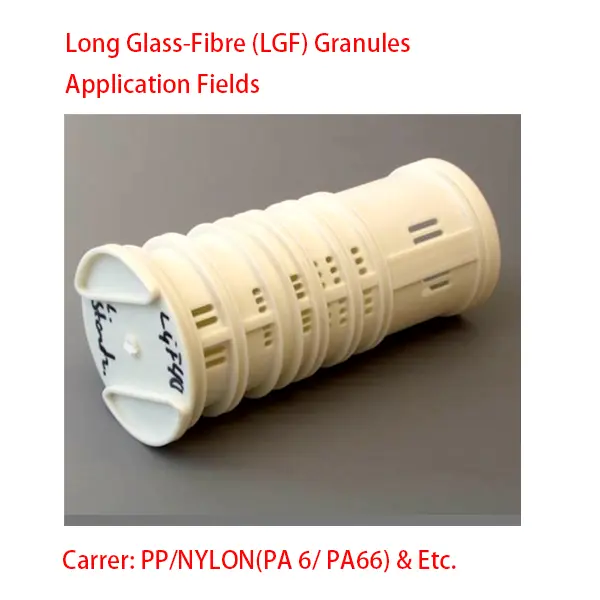
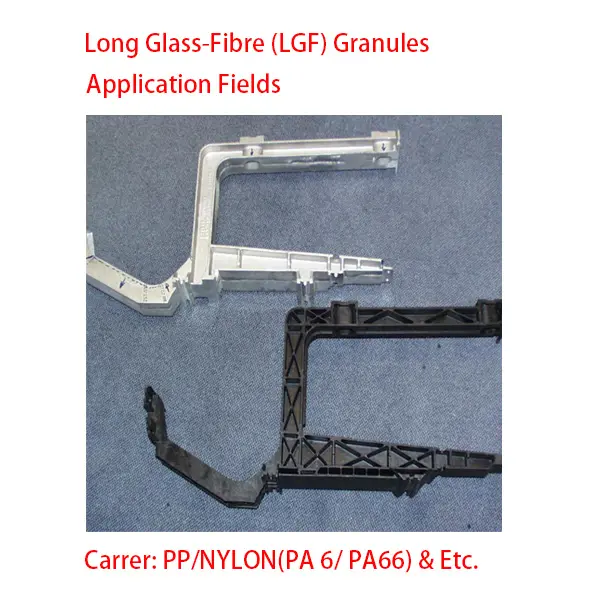
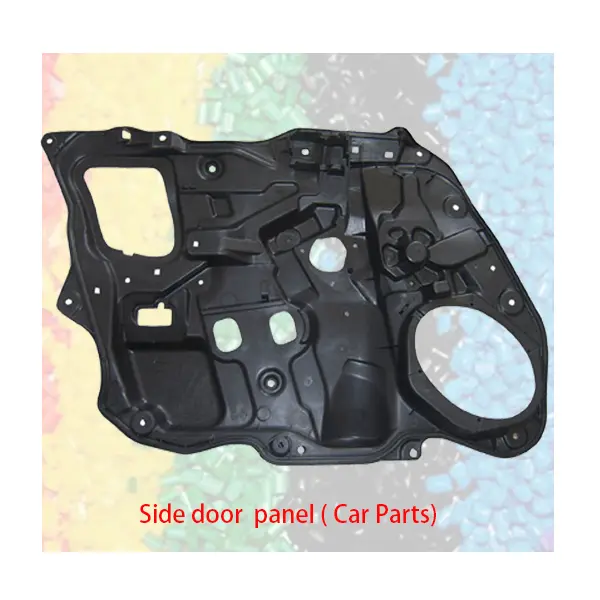
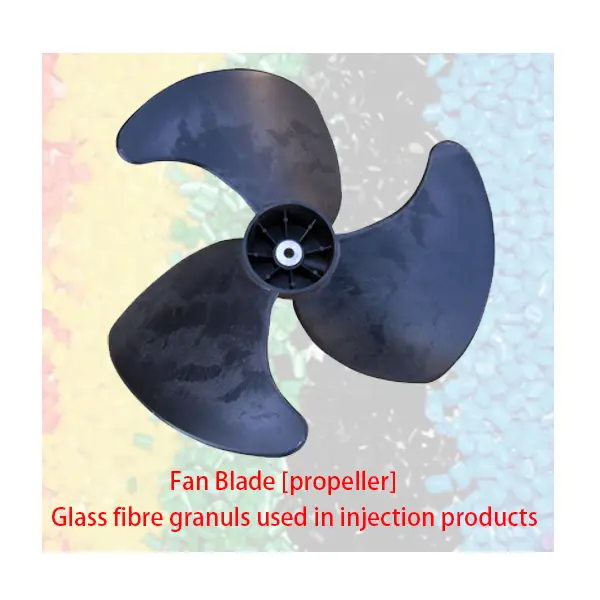
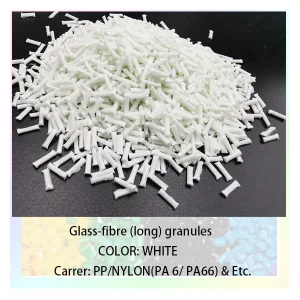
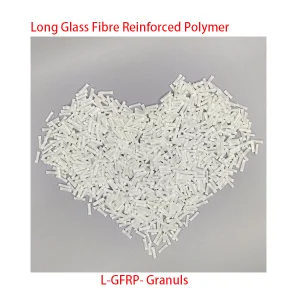
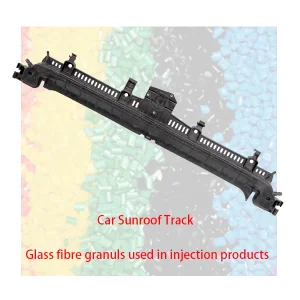
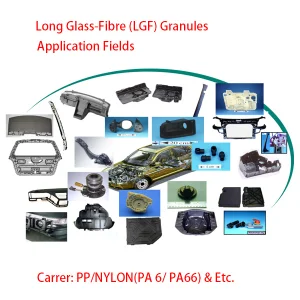
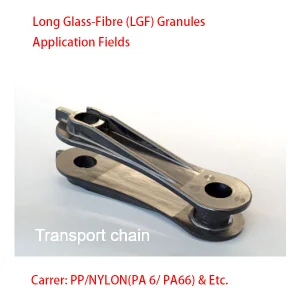
Our long-fiber granules are engineered for high structural integrity across diverse applications. Leveraging the long fiber skeletal network, these granules are widely specified by engineering teams to produce high-stress components across three key sectors:
By substituting heavy die-cast aluminum, magnesium, or zinc components with our custom-formulated Long PP or PA6/PA66 composites, OEMs can achieve weight savings of up to 40% without compromising mechanical performance.
Procuring specialized engineering resins at a global scale requires meticulous supply chain vetting. Strategic procurement managers must evaluate several operational risks to ensure long-term stability:
Ensure that imports comply with international regulations. Our formulations are certified under standard environmental frameworks, including RoHS (Restriction of Hazardous Substances), REACH, and UL94 flammability ratings, facilitating smooth customs clearance at major international ports.
While the initial cost per kilogram of composite materials is a key factor, high-performance formulations can lower overall production costs. By reducing injection cycle times, minimizing scrap rates, and lowering energy consumption, our products help reduce the total cost of finished parts.
Our dedicated logistics department coordinates closely with leading international shipping lines, offering flexible freight options including FOB, CIF, DDP, and DAP terms. We utilize moisture-proof, heavy-duty packaging with desiccant inserts, ensuring that all structural compounds arrive dry and ready for immediate processing.
Our lead application engineers address key technical questions from procurement heads and product designers:
Stay informed about our quality assurance initiatives, facility developments, and operational milestones.
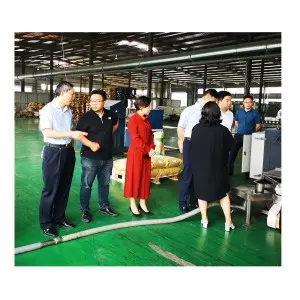
Our factory hosted an international technical delegation for a detailed audit of our PA6 and PA66 long glass-fiber-reinforced polymer granules. The audit assessed our quality control workflows, testing procedures, and raw material traceability. The visiting engineers expressed high satisfaction with our consistency and testing standards. (Reported by Lu)
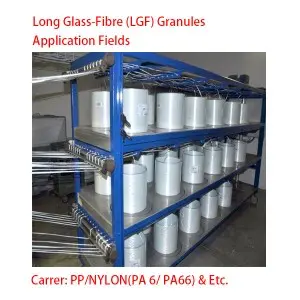
To meet growing international demand for lightweight structural composites, we have successfully commissioned a new pultrusion production line. Initial testing confirms the line meets our target output rates while maintaining uniform melt-impregnation. This expansion increases our total annual capacity and helps reduce lead times for high-volume wholesale orders.
Explore our specialized composites engineered for extreme thermal, chemical, and physical stress environments.
 Best Composite