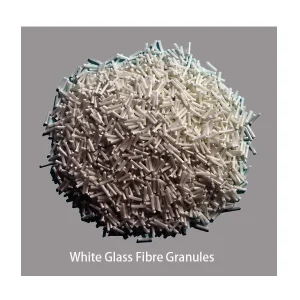
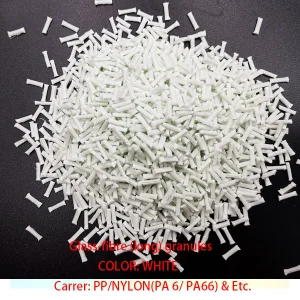
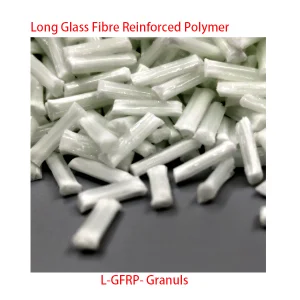
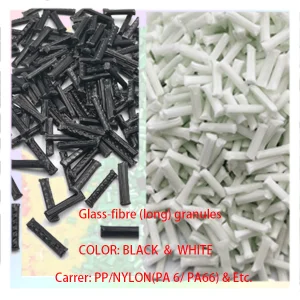
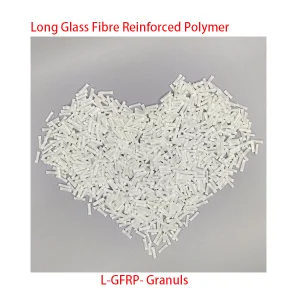
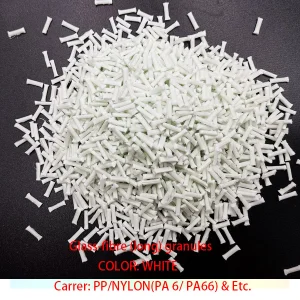
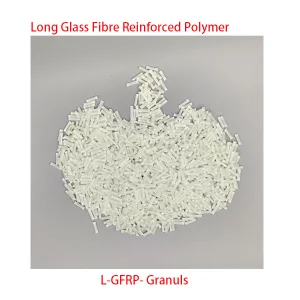
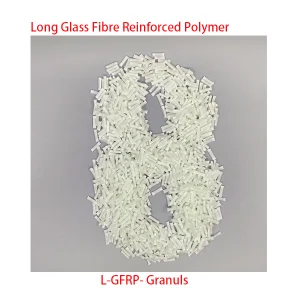
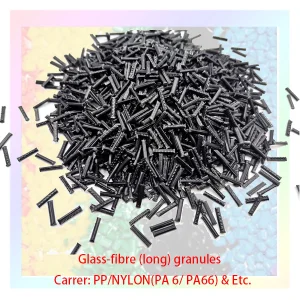
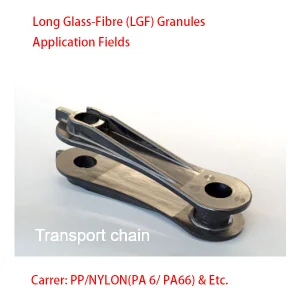
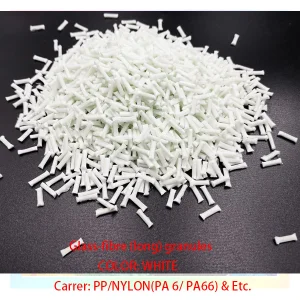
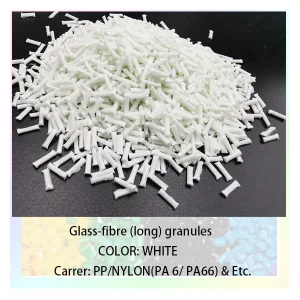
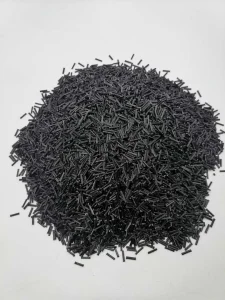
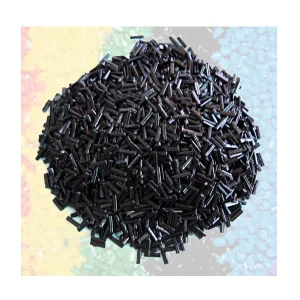
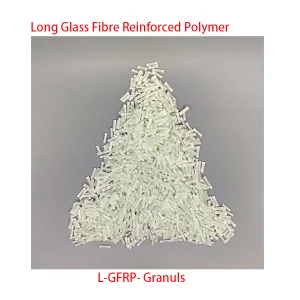
The global automotive industry is undergoing a paradigm shift, transitioning from combustion engines to electric mobility. At the heart of this revolution lies lightweighting—the practice of reducing vehicle weight to increase energy efficiency and range. High-performance polymers, particularly Long Glass Fiber Reinforced Polymers (GFRP/LFT), have emerged as the cornerstone material for this transformation.
Unlike traditional metal components, engineered polymers offer a superior strength-to-weight ratio, corrosion resistance, and design flexibility. In the context of Electric Vehicles (EVs), where battery weight is a significant challenge, replacing metal with reinforced polymer components like intake manifolds, front-end modules, and battery housing units is not just an option; it is an industrial necessity.
China has solidified its position as the global hub for composite material manufacturing. Jurong Best Composite Materials Co., Ltd., for instance, benefits from the mature industrial ecosystem of the Yangtze River Delta. Our proximity to key logistics hubs in Nanjing and Zhenjiang allows for streamlined export operations, ensuring that the global supply chain remains uninterrupted. Chinese manufacturing efficiency is defined by:
Current industry trends highlight a shift towards sustainable and high-performance composites. Applications include:
For procurement officers, sourcing polymer granules involves more than just price negotiation. It requires a deep dive into the Technical Data Sheets (TDS). Key indicators to watch include Flexural Modulus, Impact Strength (Charpy), and Heat Deflection Temperature (HDT). Our team provides detailed quality inspection reports, ensuring that every batch meets international safety and durability standards, as confirmed by our recent client quality checks.
Jurong Best Composite Materials Co., Ltd. is located in the ancient town of Maoshan, Jiangsu Province. Our facility is at the nexus of the Yangtze River Delta Economic Zone, granting us unparalleled logistical advantages for domestic and international distribution. We are not merely suppliers; we are engineering partners helping your business scale through material innovation.
Our commitment to rigorous quality control processes ensures that the long GFRP granules we produce meet the exact specifications required for automotive, electrical, and daily utility applications.
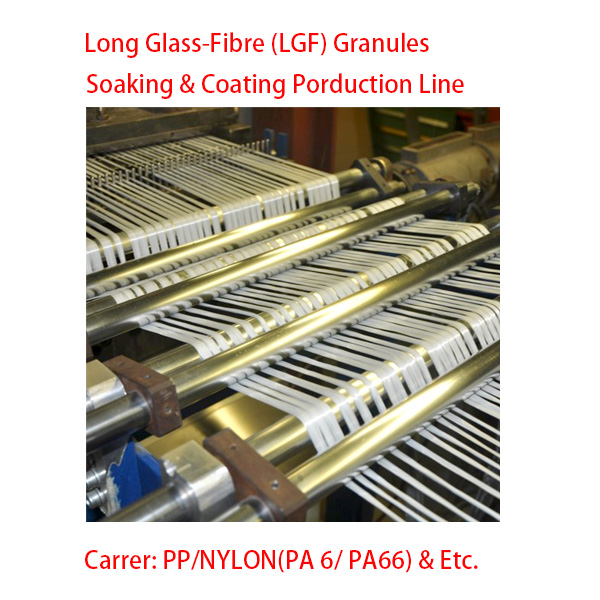
Standard plastics lack the structural rigidity required for automotive components. Long glass fiber reinforcement provides a "skeletal" structure within the polymer, significantly enhancing impact resistance, creep resistance, and dimensional stability, effectively allowing these parts to replace traditional metal components.
We employ a multi-stage quality management system. From testing raw resin purity to verifying fiber impregnation efficiency in the granulate, every batch is tested for mechanical properties before dispatch. We welcome 3rd-party inspections (e.g., SGS, TUV) to certify compliance with automotive standards.
Due to our expanded capacity and strategic location in the Yangtze River Delta, we typically maintain ready-stock for standard grades. Customized polymer formulations generally require a 15-25 day lead time, depending on the volume and technical requirements.
Yes. Our engineering team works closely with your design department. If you provide the structural requirements (e.g., tensile strength, thermal resistance), we can recommend the optimal fiber length and polymer matrix (PP, PA6, PA66, PPA, PPS) to ensure your end-product performance.
 Best Composite