Advanced Material Science Solutions for Global Industrial Procurement & Engineering Excellence
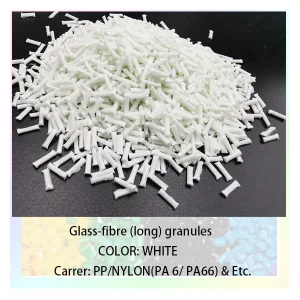
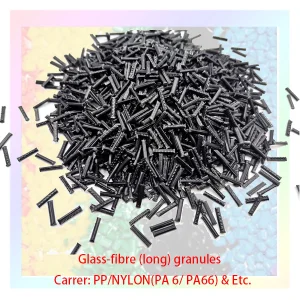
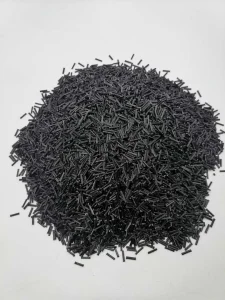
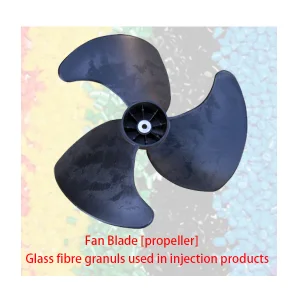
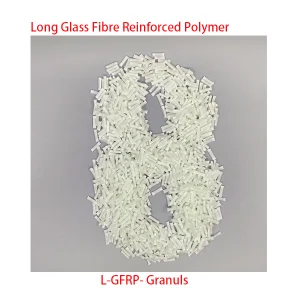
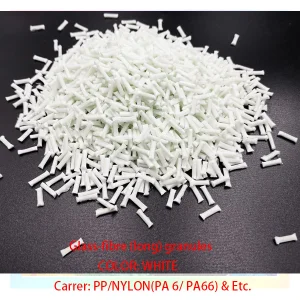
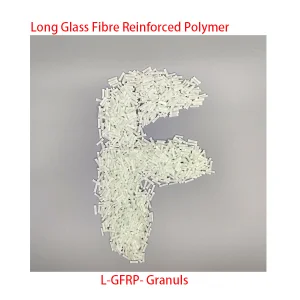
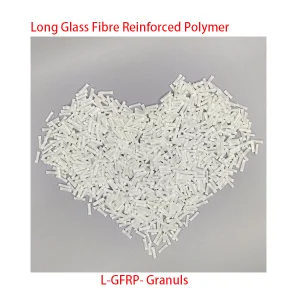
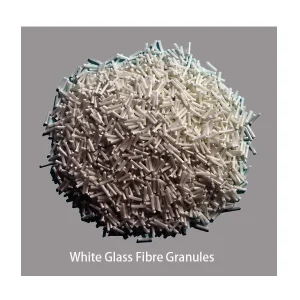
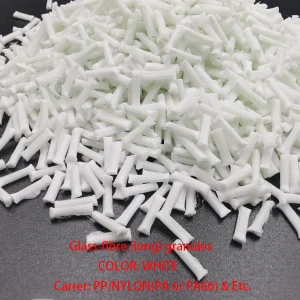
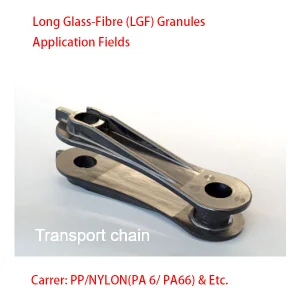
The Evolution of Polypropylene (PP) Compounds: As global manufacturing pivots towards high-performance lightweight materials, PP compounds have emerged as a critical component in automotive, electronics, and household appliance sectors. Unlike generic polymers, advanced PP compounds are engineered through rigorous compounding processes—integrating long glass fibers (LGF), carbon fibers, and proprietary additives to enhance mechanical strength, thermal stability, and durability.
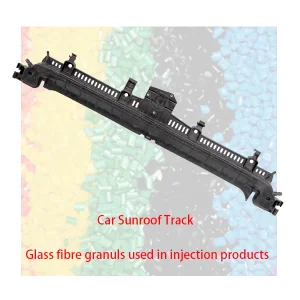
Information Gain: Modern procurement isn't just about price; it's about the technical datasheet (TDS) alignment. Our focus at Jurong Best Composite Materials Co., Ltd. is bridging the gap between raw material capabilities and specific application requirements. Whether it's reducing the weight of an automotive sunroof track or enhancing the rigidity of industrial appliance housings, our expertise lies in "Material Tailoring."
Technological Roadmap: Future-proofing supply chains requires addressing three core pillars: Sustainability (incorporating circular recycled content without compromising virgin-like properties), Precision (nano-scale fiber dispersion), and Compliance (meeting global REACH, RoHS, and UL standards). As manufacturers, we are investing in localized R&D to ensure that our PP compounds perform consistently across diverse climatic conditions.
Global enterprises demand stability. We provide systematic supply chain solutions, ensuring consistent material batches, localized support, and transparent lead times for international shipping.
We are transitioning towards high-modulus, low-VOC PP compounds specifically designed for the burgeoning Electric Vehicle (EV) market to reduce battery strain through weight reduction.
E-E-A-T matters. Our quality control processes include rigorous fiber length analysis and impact testing, documented with full traceability to ensure compliance with international industrial standards.
A: LGF-PP offers significantly higher stiffness-to-weight ratios, superior impact resistance, and lower creep deformation under high temperatures, making it the ideal metal-replacement material in structural applications.
A: We utilize automated gravimetric dosing systems and real-time melt-flow index (MFI) monitoring during production. Every batch undergoes a pre-shipment quality audit to match customer specifications.
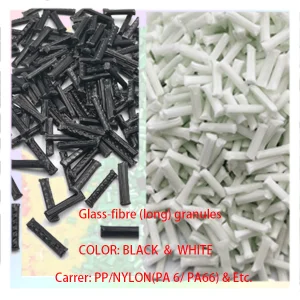
A: Yes. We offer R&D collaboration to modify the fiber content, flame retardancy levels, and color masterbatches to meet specific engineering requirements for your end-products.
 Best Composite