High-grade composite materials engineered for durability, impact resilience, and long-term creep performance.
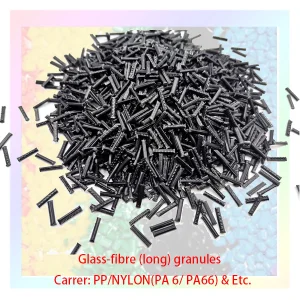
High mechanical toughness, cost-efficient compounding solution designed for regional structural components.
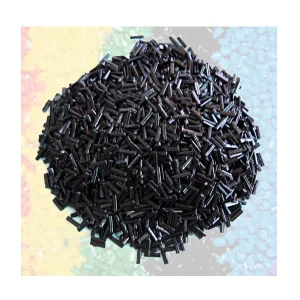
Our core grade with excellent low-temperature impact properties, ideal for pipeline and construction infrastructure.
Premium grade offering optimized heat deflection temperatures and structural dimensional stability.
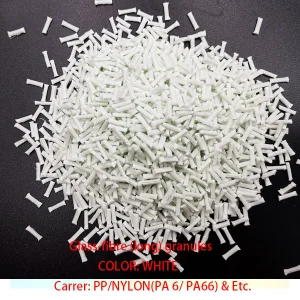
Fully compliant with international standards, delivering high tensile strength and wear resistance.
In modern industrial applications, materials are subjected to increasingly complex stress matrices, environmental degradation factors, and dynamic mechanical fatigue. Long Glass Fiber Reinforced Polyethylene (LGF-PE) represents a major leap forward over traditional short fiber composites (SGF). In standard short-fiber composites, the average fiber length after processing is typically below 1 mm. However, with pultrusion technology, the glass fibers run unidirectionally through the entire length of the pellet (typically 10 mm to 12 mm or custom lengths up to 25 mm). Upon injection molding or extrusion, these fibers form a 3D skeletal network that disperses external mechanical stresses efficiently across the matrix.
The molecular dynamics of Polyethylene (PE) combined with high-density, silane-sized long glass fibers provide a highly optimized material system. The high-density polyethylene (HDPE) matrix offers inherent resistance to moisture adsorption, chemical solvents, acids, and bases. At the same time, the continuous glass fibers contribute unmatched mechanical rigidity, high creep resistance under sustained loads, and a dramatically increased heat deflection temperature (HDT). Because of these characteristics, LGF-PE has transitioned from a specialized material to a primary metal-replacement candidate in demanding industrial environments.
| Property Matrix | Unreinforced High-Density PE | Short Glass Fiber (30% SGF-PE) | Long Glass Fiber (30% LGF-PE) |
|---|---|---|---|
| Tensile Strength (MPa) | 22 - 35 | 50 - 75 | 95 - 120 |
| Flexural Modulus (GPa) | 1.0 - 1.5 | 3.5 - 4.8 | 6.8 - 8.5 |
| Charpy Notched Impact (kJ/m²) | 4 - 8 | 8 - 12 | 22 - 35 |
| Dimensional Shrinkage (%) | 1.5 - 2.5 | 0.4 - 0.7 | 0.12 - 0.25 |
The historic industrial zones surrounding Damascus, including the Adra Industrial City and Al-Sabinah, are currently undergoing major structural and infrastructure upgrades. Local manufacturing firms are increasingly seeking high-performance raw materials to replace traditional metals, which are heavy, prone to corrosion in arid/saline conditions, and subject to volatile pricing.
The rehabilitation of municipal water pipelines, local gas networks, and the expansion of the agricultural irrigation systems in the Ghouta basin require pipes and fittings that can withstand continuous underground soil pressures and extreme ambient temperature fluctuations. LGF-PE has emerged as a key material choice in this context. Its superior resistance to environmental stress cracking (ESCR) under long-term hydraulic pressures makes it the ideal material for manufacturing strong flange fittings, pipeline connections, and durable valves. These components can withstand both the freezing winter nights and the intense summer heat of Damascus without cracking or losing structural integrity.
Additionally, local light manufacturing—ranging from domestic electrical assembly to specialized transport systems—benefits from the electrical insulation properties of LGF-PE. This allows Damascus-based enterprises to locally mold strong enclosures for municipal grids, telecommunications junction units, and heavy-duty structural packaging panels. This reduces import dependencies on expensive finished steel products and boosts domestic production capacities.
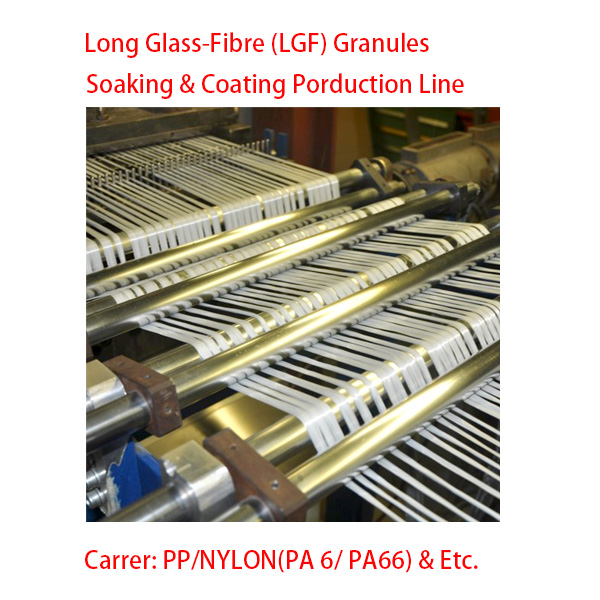
Glass fiber filaments are treated with custom sizing agents to optimize interfacial bonding with non-polar polyethylene molecules.
Advanced cross-head pultrusion dies ensure that every fiber strand is completely wetted, eliminating voids that compromise strength.
Pellet cutting methods preserve the fiber length inside the granules (10-12mm), maximizing the structural network in molded parts.
Want a detailed technical datasheet or process manual for Damascus manufacturing?
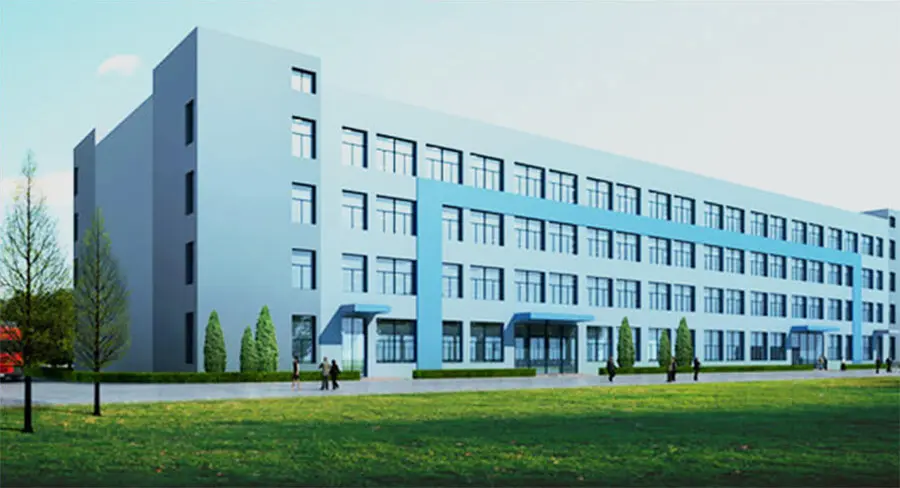
Request Free Data Sheets NowJurong Best Composite Materials Co., Ltd. is located in the ancient town of Maoshan, which has a history of over a thousand years. The town is part of Jurong City, Zhenjiang, Jiangsu Province. It is situated on the lower reaches of the Yangtze River, adjacent to Nanjing, and is close to Nanjing Lukou International Airport. The Jianning-Taicang Expressway (from Nanjing to Taicang) passes through the area, and the Jurong exit of the Shanghai-Nanjing Expressway connects to Zhenjiang Port and Nanjing Port. Benefiting from the radiation of the Yangtze River Delta Economic Zone, the transportation is very convenient.
As a dedicated supplier to global logistics hubs, we maintain robust shipping corridors and raw-material sourcing to guarantee on-time deliveries to distributors, compounders, and injection molding factories in Damascus.
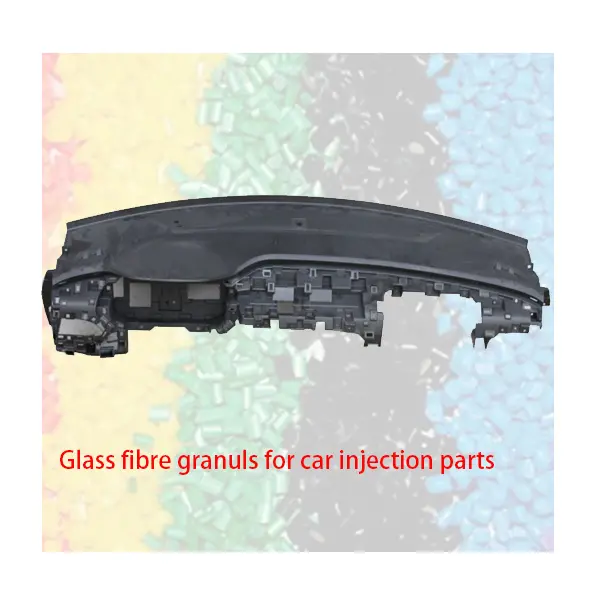
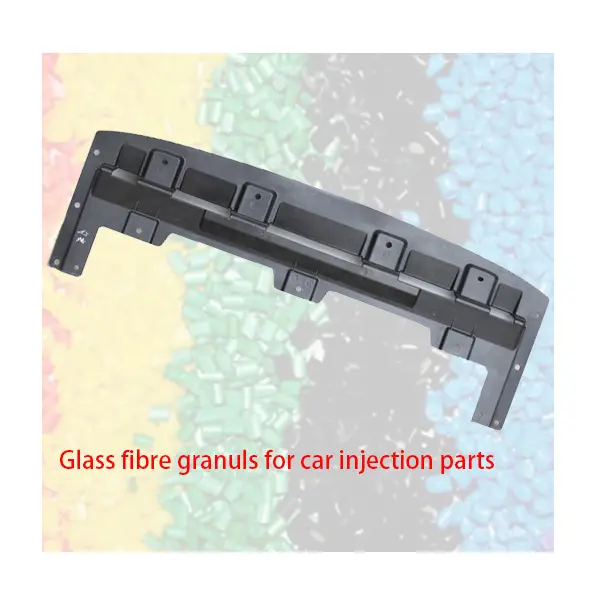
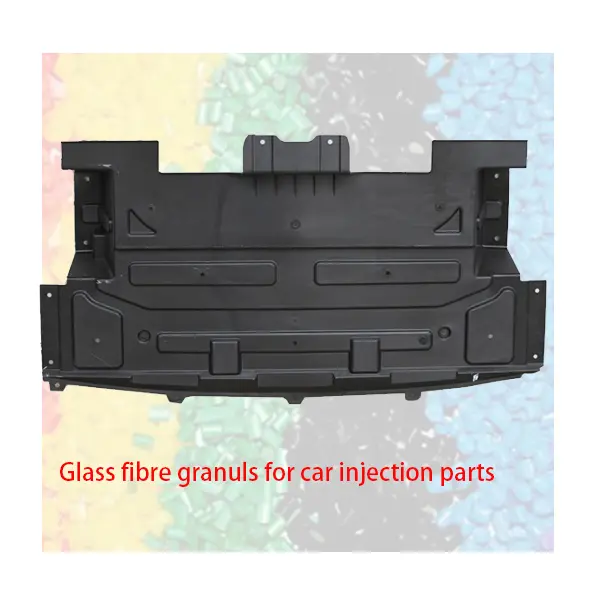
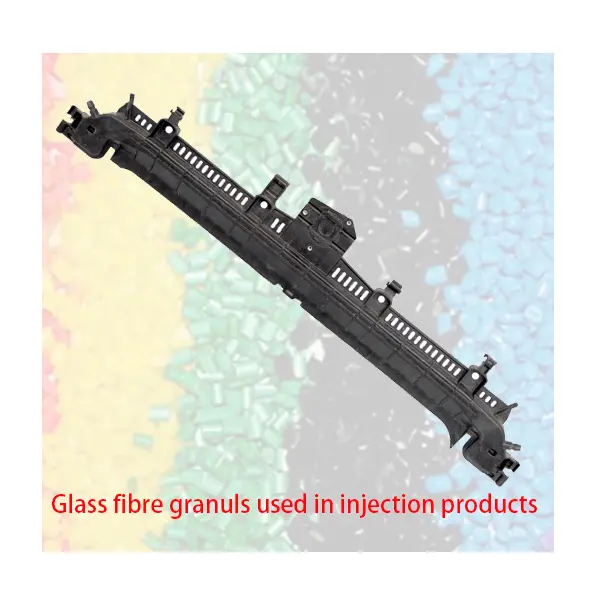
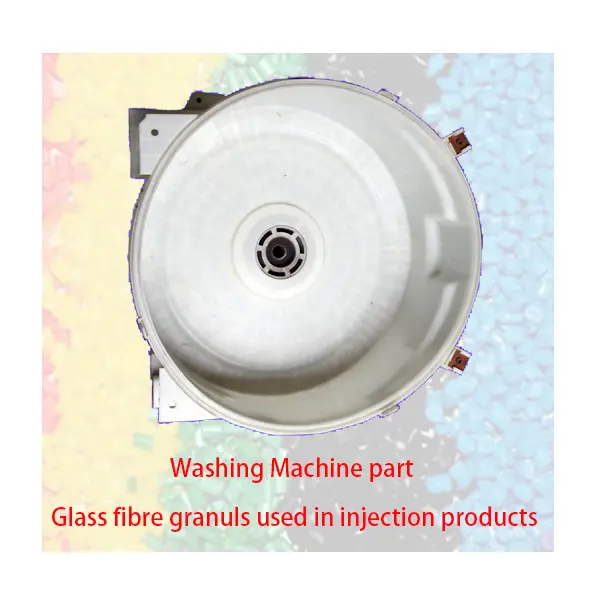
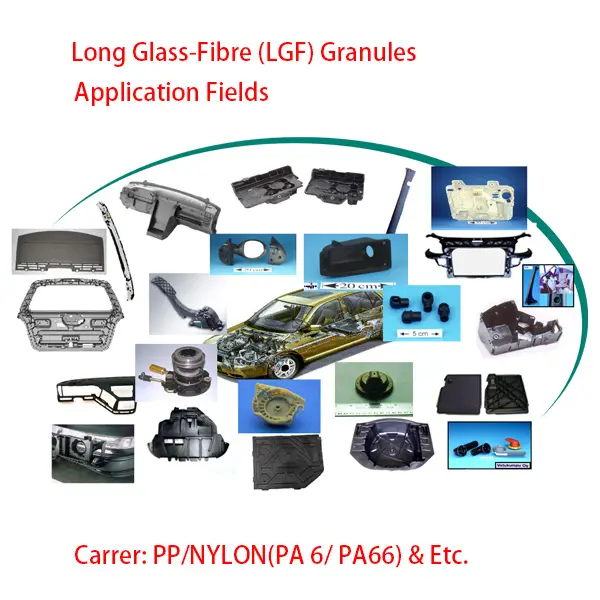
The GFRP granules can make different kinds of special products, such as car parts, washing machine parts, small kitchen electrical appliances, and other structural items demanding high-impact strength.
Through rigorous quality checking and advanced extrusion, our compounds deliver exceptional surface finish, minimal fiber bundling, and highly uniform dispersion profiles. We work closely with our partners in Damascus to ensure our material meets their specific design requirements.
Learn More about GFRP SolutionsIn the modern chemical and polymer industry, supply chain reliability is key. Operating from Zhenjiang in the Yangtze River Delta, Jurong Best Composite Materials Co., Ltd. provides direct logistics advantages that guarantee supply continuity to Damascus:
Keeping you updated on our production capabilities and visiting international clients.
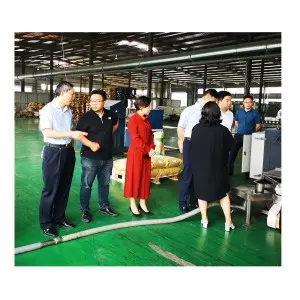
Clients visited our factory and carried out a professional and rigorous inspection for the PA6 and PA66 long GFRP (Glass-Fiber-Reinforced-Polymer) granules. They were satisfied by our quality control process.
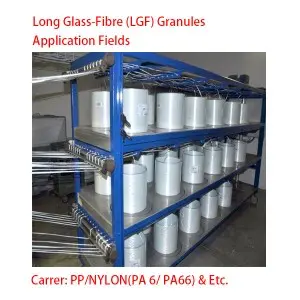
Our company has set up a new production line in the workshop. The output capacity has successfully matched our growing export requests.
We release monthly material analysis reports and chemical performance evaluations. Stay informed on the latest pultrusion compound modifications.
Get Latest ReportsIn-depth technical answers for composite materials buyers, product engineers, and designers in Damascus.
In LGF-PE, the glass fibers have a much higher aspect ratio. This allows for a continuous skeletal network inside the molded part. When subjected to stress, this network transfers energy efficiently along the fibers, preventing fracture propagation. In contrast, short fibers act as stress concentrators and fail at much lower mechanical loads.
Damascus features high UV indices and significant day-night temperature swings. Our LGF-PE granules are compounded with specific carbon black and UV stabilizers. This ensures excellent retention of mechanical properties, minimal surface chalking, and superb resistance to thermal cycling.
Yes. Parts made from LGF-PE can achieve comparable tensile and flexural strengths to aluminum, but at a 40-50% lower weight. Additionally, they do not require secondary machining or finishing steps and are naturally immune to rust and chemical attack.
Ocean freight bookings run regularly from the Port of Shanghai to regional Levant ports like Lattakia or Tartous. Average transit times range from 30 to 45 days, followed by land transport to the Adra Industrial Zone in Damascus.
Explore our full range of specialty polymer composites, including polyamides, TPU, and high-performance polyether sulfones.
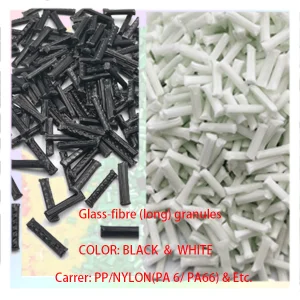
Engineered for high thermal applications requiring exceptional structural strength under continuous load.
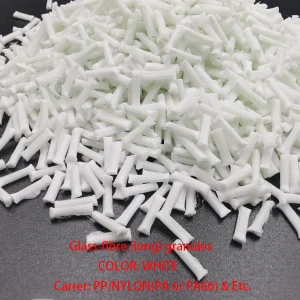
Features minimal moisture absorption and extreme chemical resistance, perfect for precision parts.
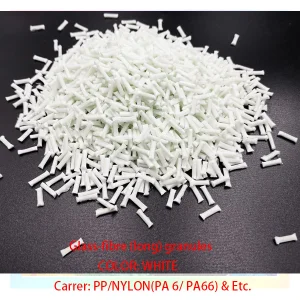
Combines high flexibility with long-fiber toughness for wear-resistant seals and structural dampeners.
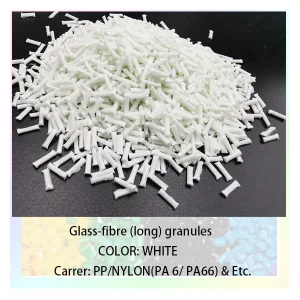
Designed for extreme high-temperature environments, offering outstanding dimensional stability and chemical resistance.
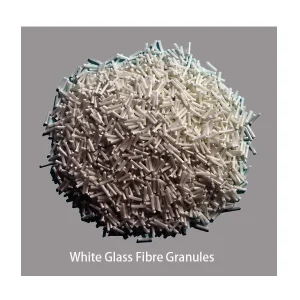
High-stiffness resin designed for structural automotive components and challenging engineering environments.
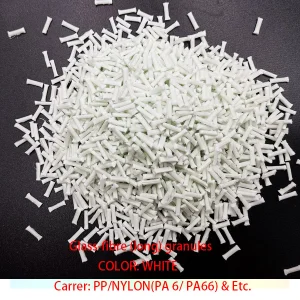
Cost-effective structural material offering a great balance of tensile strength and impact performance.
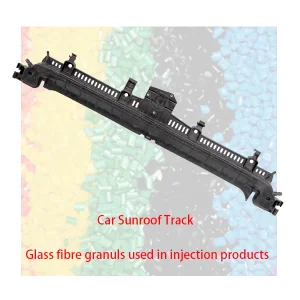
Specially modified PA6 polymer customized for automotive sunroof tracks, offering low friction and high durability.
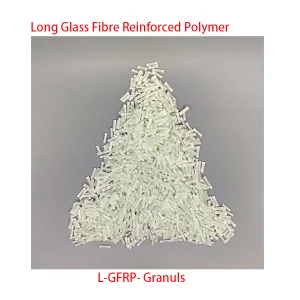
Custom engineering sample configurations containing balanced glass ratios from 30% to 60%.
Get in touch with our compound engineering team to receive customized granule specifications, pultrusion datasheets, and competitive global delivery quotes.
Send Inquiry Now Best Composite