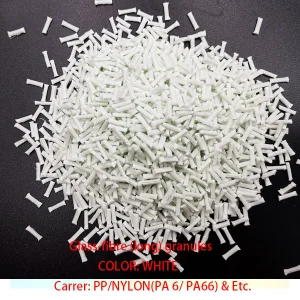
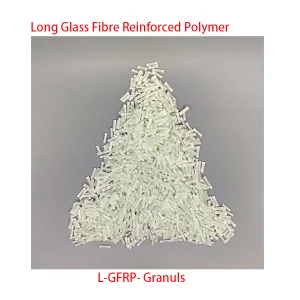
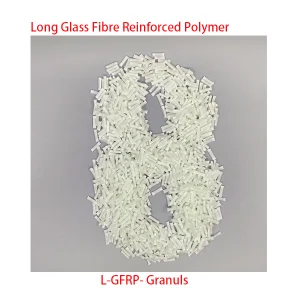
Engineered structural granules configured to meet demanding design specifications across ACT industrial operations.
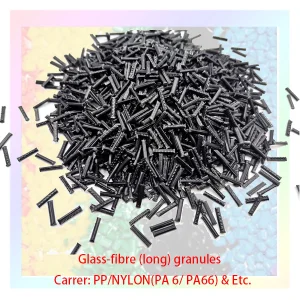
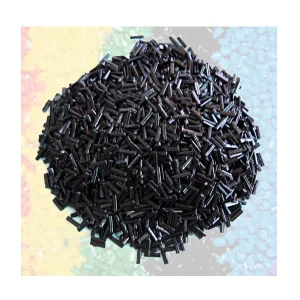
A Technical Whitepaper on Structural Performance, Application Profiles, and Supply Chain Integration in the Australian Capital Territory
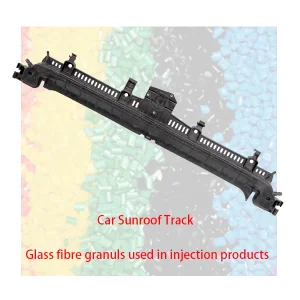
The manufacturing sector in Australia is undergoing a major shift. Companies are increasingly moving away from heavy metals like steel and aluminum in favor of high-performance thermoplastic composites. At the forefront of this evolution is Long Glass Fiber Reinforced Polyethylene (LGF-PE). By combining the chemical resistance and cost-effectiveness of Polyethylene (PE) with the exceptional mechanical strength of continuous glass fibers, LGF-PE provides a highly versatile material solution. It delivers excellent impact resistance, high stiffness, and great dimensional stability.
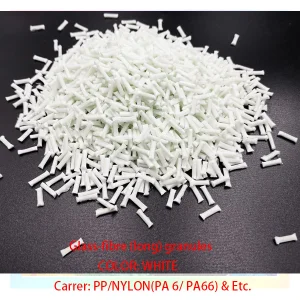
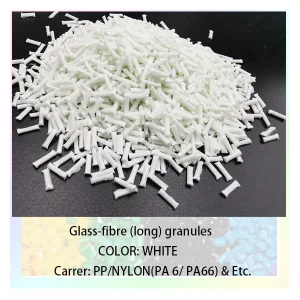
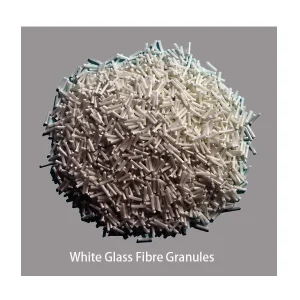
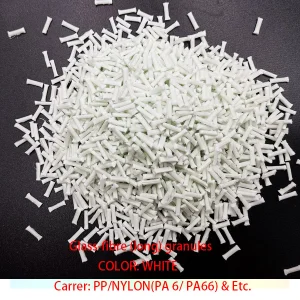
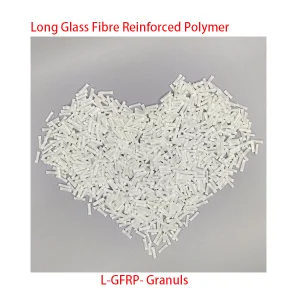
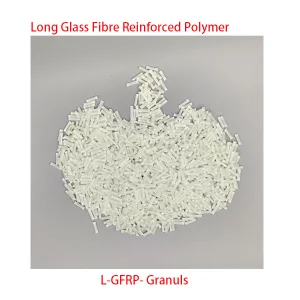
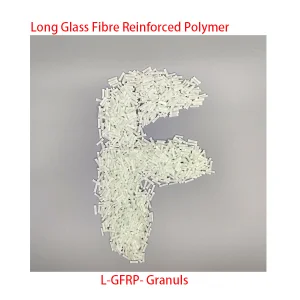
Unlike standard Short Glass Fiber (SGF) compounds, where the fibers are typically less than 1mm in length, the pultrusion manufacturing process ensures that the fibers within our LGF-PE granules span the entire length of the pellet (typically 10mm to 25mm). When injection molded or extruded, these long fibers form a three-dimensional skeletal network inside the finished part. This internal structure dissipates stresses highly efficiently, providing outstanding fatigue resistance and preventing crack propagation even in low-temperature environments.
The Australian Capital Territory (ACT), centered around Canberra, has developed a specialized advanced manufacturing sector that works closely with research institutions, defense technology groups, and aerospace contractors. Industrial hubs in Fyshwick, Mitchell, and Hume support complex engineering operations that require top-tier structural materials. Additionally, the ACT's commitment to net-zero emissions and sustainable infrastructure has increased local demand for lightweight, recyclable materials.
In Canberra's unique climate—characterized by hot, dry summers and freezing winter nights—materials used in outdoor infrastructure, defense hardware, and public transit systems must withstand extreme thermal cycling. Traditional polyolefins often fail under these conditions due to embrittlement, while metals are prone to thermal expansion issues. Our LGF-PE provides the ideal balance: high impact resistance at sub-zero temperatures and low creep deformation during hot summer peaks, making it a reliable choice for local engineers.
The internal 3D glass fiber skeleton dramatically reduces mold shrinkage and thermal expansion, ensuring that complex parts remain dimensionally stable over wide temperature ranges.
Unlike standard short-fiber composites that become brittle, our LGF-PE retains its impact resistance down to -40°C, making it suitable for demanding conditions.
Inherently resistant to moisture, salts, acids, and alkalis, LGF-PE eliminates the risk of rust, rot, or galvanic corrosion in harsh outdoor environments.
To help engineers and procurement officers in Canberra choose the right materials, the table below highlights how LGF-PE compares to other structural thermoplastics and traditional short-fiber alternatives.
| Property Parameter | Virgin Polyethylene (HDPE) | Short Glass Fiber PE (SGF-PE 30%) | Long Glass Fiber PE (LGF-PE 30%) | Long Glass Fiber PP (LGF-PP 30%) |
|---|---|---|---|---|
| Tensile Strength (MPa) | 25 - 30 | 65 - 75 | 110 - 130 | 120 - 140 |
| Flexural Modulus (GPa) | 1.2 - 1.5 | 4.5 - 5.5 | 7.0 - 8.5 | 6.5 - 8.0 |
| Notched Impact Strength (kJ/m²) | 4.0 - 6.0 | 8.0 - 12.0 | 25.0 - 32.0 | 20.0 - 28.0 |
| Mold Shrinkage Rate (%) | 1.8 - 2.5 | 0.4 - 0.7 | 0.15 - 0.25 | 0.18 - 0.30 |
| Heat Deflection Temp (°C @0.45MPa) | 70 - 80 | 110 - 120 | 135 - 145 | 150 - 160 |
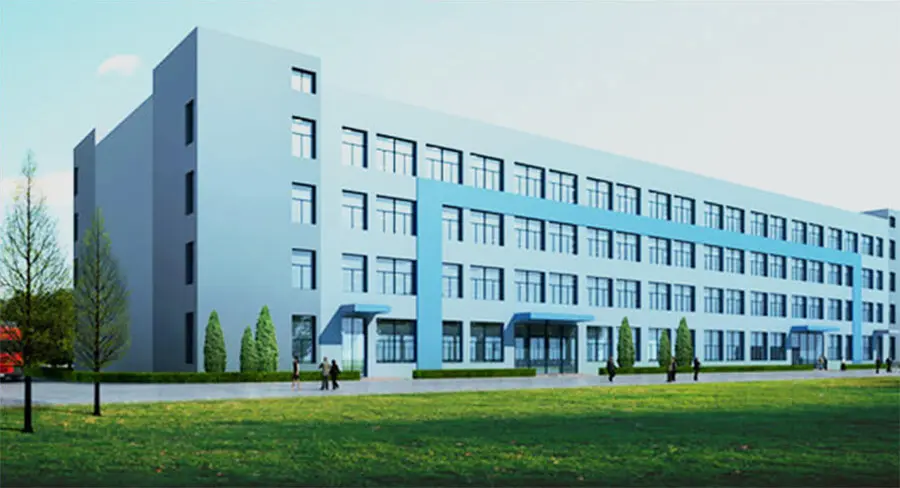
Our production base, Jurong Best Composite Materials Co., Ltd., is located in the historic town of Maoshan, Jurong City, Zhenjiang, Jiangsu Province. Positioned in the Yangtze River Delta Economic Zone, our facility is close to Nanjing Lukou International Airport, the Shanghai-Nanjing Expressway, and deep-water shipping lanes at Zhenjiang Port and Nanjing Port. This strategic location ensures fast transit times and reliable logistics from our factory floor to Canberra.
By managing the entire manufacturing process—from pultrusion line configuration to final pelletizing—we maintain strict control over both quality and production costs. We offer competitive pricing, steady supply lines, and customizable fiber loading levels (ranging from 20% to 60%) to meet the specific requirements of our Australian partners. Local businesses benefit from direct access to our technical support team and reliable delivery terms, including FOB, CIF, or DDU shipping options to ACT logistics hubs.
Your Trusted Global Partner for High-Performance Fiber Reinforced Polymers
Jurong Best Composite Materials Co., Ltd. is located in the ancient town of Maoshan, which has a history of over a thousand years. The town is part of Jurong City, Zhenjiang, Jiangsu Province. It is situated on the lower reaches of the Yangtze River, adjacent to Nanjing, and is close to Nanjing Lukou International Airport. The Jianning-Taicang Expressway (from Nanjing to Taicang) passes through the area, and the Jurong exit of the Shanghai-Nanjing Expressway connects to Zhenjiang Port and Nanjing Port. Benefiting from the radiation of the Yangtze River Delta Economic Zone, the transportation is very convenient.
We are dedicated to the research, development, and manufacturing of long glass fiber reinforced thermoplastic polymer composites. Through continuous innovation, high-precision pultrusion manufacturing lines, and strict quality control systems, we deliver composite materials that help manufacturers achieve significant weight reductions and mechanical performance improvements.
Addressing the core technical, logistical, and design questions raised by material engineers and buyers.
A comprehensive range of high-performance thermoplastic materials engineered for diverse industrial applications.
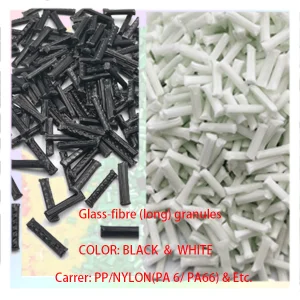
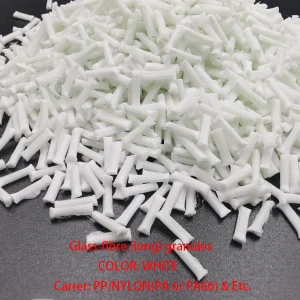
 Best Composite