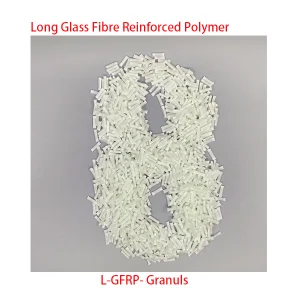
Engineered to deliver exceptional dimensional stability, high-impact strength, and low thermal expansion in demanding applications.
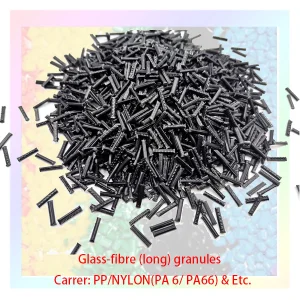
As the second-largest city in South Sudan and the strategic gateway to the Upper Nile region, Malakal is undergoing a transformative era of infrastructure rehabilitation. Central to this resurgence is the rebuilding of water systems, municipal sewage pipelines, petroleum storage networks, and telecommunications frameworks. The local environmental constraints are brutal: daytime temperatures regularly surpass 40°C, UV radiation levels are extremely high, and the mechanical wear on transport structures is severe.
Traditional materials like steel, concrete, and standard plastics struggle to deliver the required longevity. Steel components suffer rapid oxidation in harsh waterlogged soil, while standard polyethylene pipes and brackets deform under continuous mechanical load and extreme heat. This is where Long Glass Fibre Reinforced Polyethylene (LGF-PE) becomes indispensable. By maintaining structural stability at elevated temperatures and providing exceptional creep resistance under constant load, LGF-PE composite solutions provide an optimal balance of low maintenance and superior engineering lifecycle in the Greater Malakal region.
Request Site Project Consultation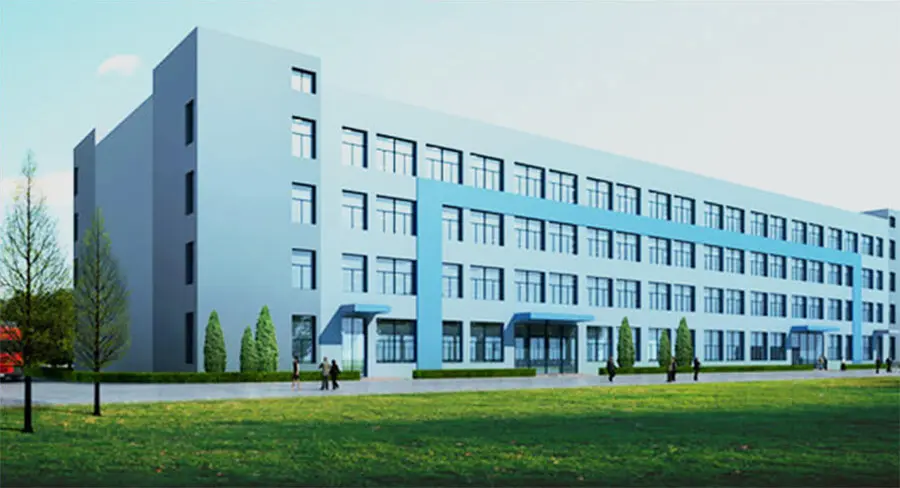
The performance transition from short fibers to long fibers is not incremental; it is a fundamental thermodynamic shift in load distribution.
The continuous 3D skeletal network of 10-25mm long fibers inside LGF-PE prevents polymer chain slippage under load, reducing deformation over time in high-temperature environments.
Unlike SGF, where cracks propagate easily through the matrix, the long-fiber entanglement redirects mechanical shock energy, absorbing impact instead of fracturing.
Low thermal expansion coefficients allow LGF-PE parts to maintain tight tolerance limits, essential for engineering components exposed to hot African sun conditions.
Jurong Best Composite Materials Co., Ltd. is located in the ancient town of Maoshan, which has a history of over a thousand years. The town is part of Jurong City, Zhenjiang, Jiangsu Province. It is situated on the lower reaches of the Yangtze River, adjacent to Nanjing, and is close to Nanjing Lukou International Airport. The Jianning-Taicang Expressway (from Nanjing to Taicang) passes through the area, and the Jurong exit of the Shanghai-Nanjing Expressway connects to Zhenjiang Port and Nanjing Port. Benefiting from the radiation of the Yangtze River Delta Economic Zone, the transportation is very convenient.
Through our Factory 4.0 infrastructure, we combine high-speed pultrusion lines with computerized real-time monitoring of glass fiber wet-out. This guarantees that every pellet leaving our production line possesses the optimized length-to-diameter ratio needed to withstand extreme mechanical loads. Operating close to China's premier inland water lanes and deep-water ports allows us to orchestrate highly responsive and cost-effective shipping networks to Africa via the Port of Mombasa and Port Sudan, bringing consistent structural polymers straight to Malakal.
Initiate Global Logistics Inquiry
Years Compounding Expertise
Annual Production Capacity
Export Partner Countries
Inquiry Turnaround Time
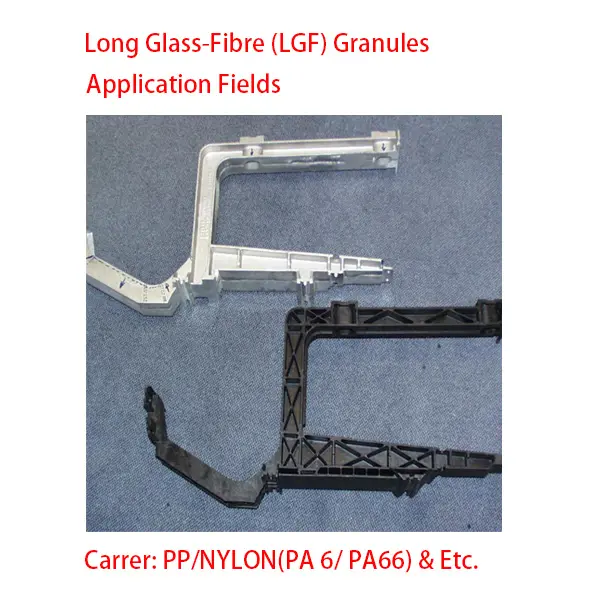
Designed for replacement of metal casting in structural sub-assemblies, heavy machinery parts, and specialized industrial sectors.
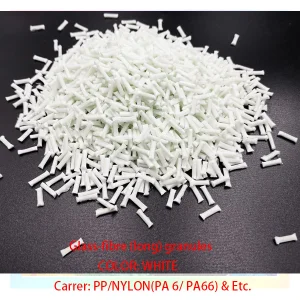
Industry-favored reinforced compounds built to exceed standard loading requirements.
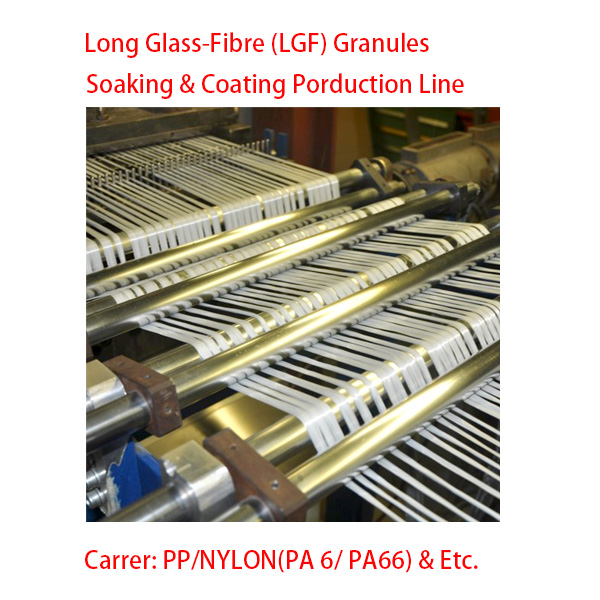
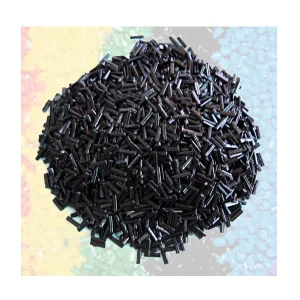
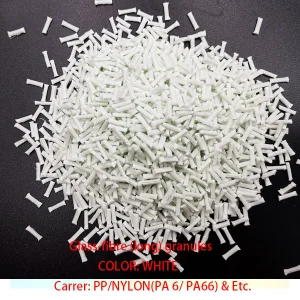
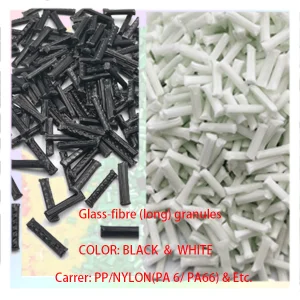
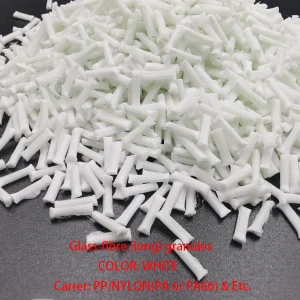
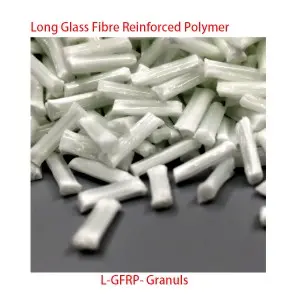
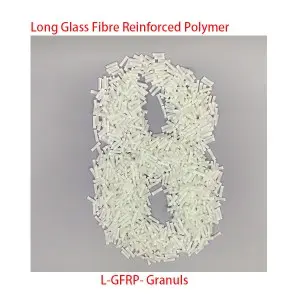
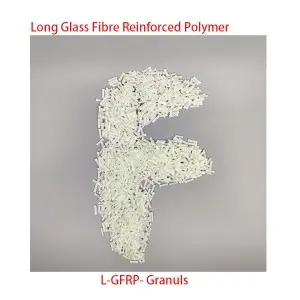
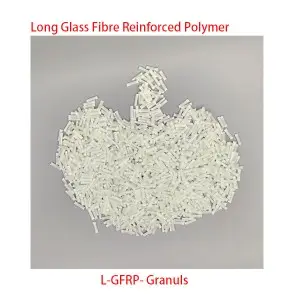
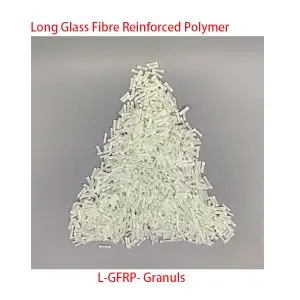
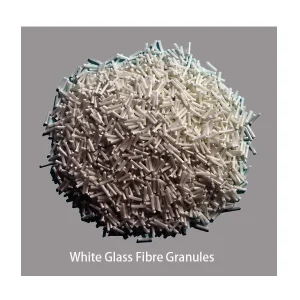
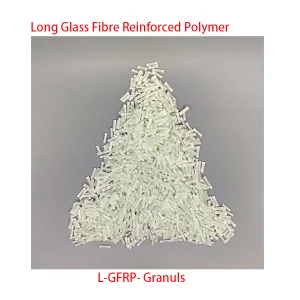
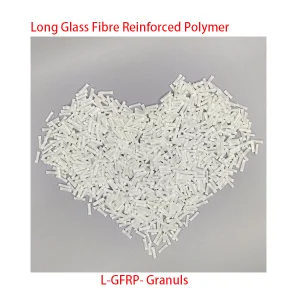
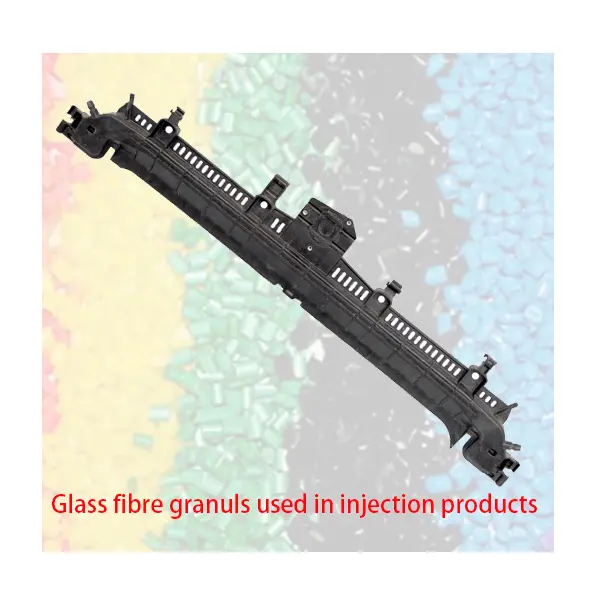
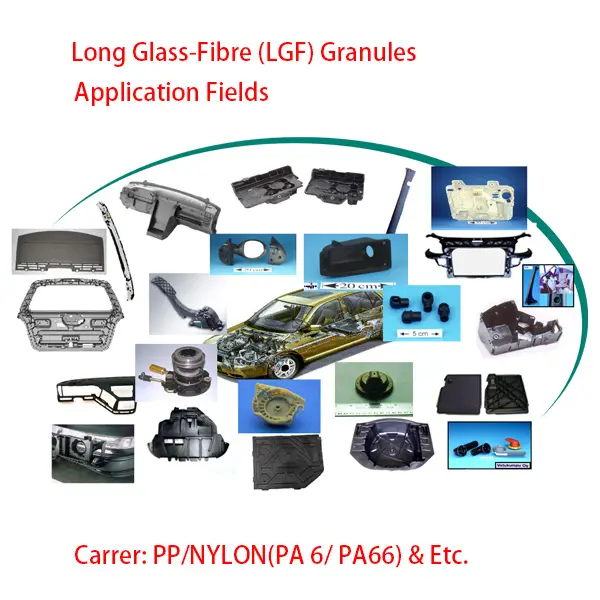
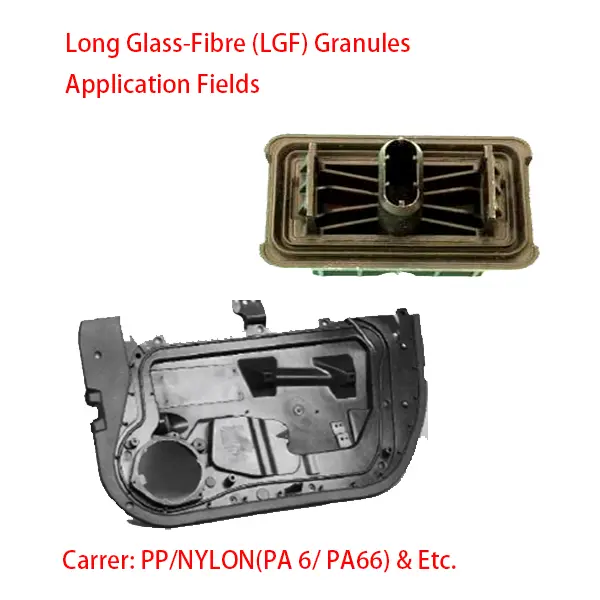
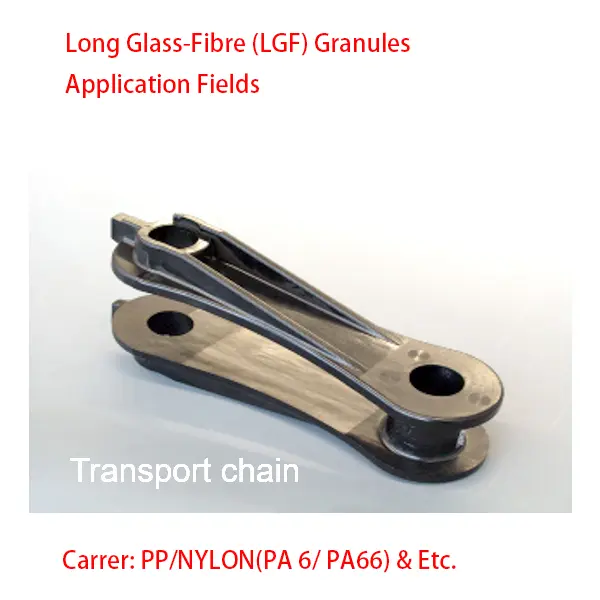
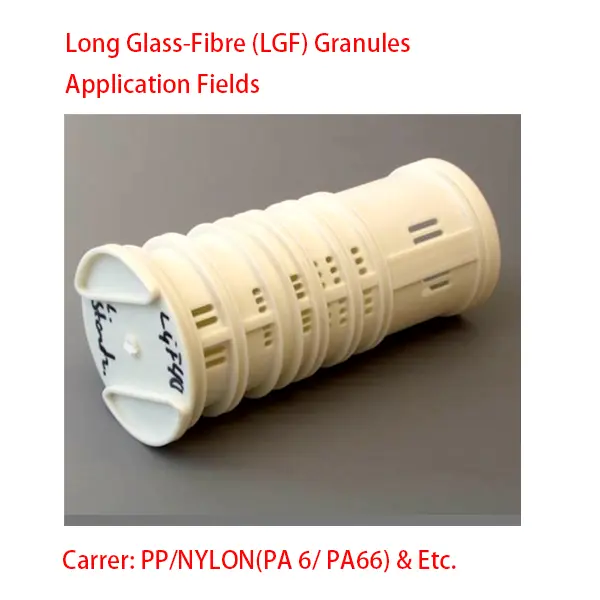
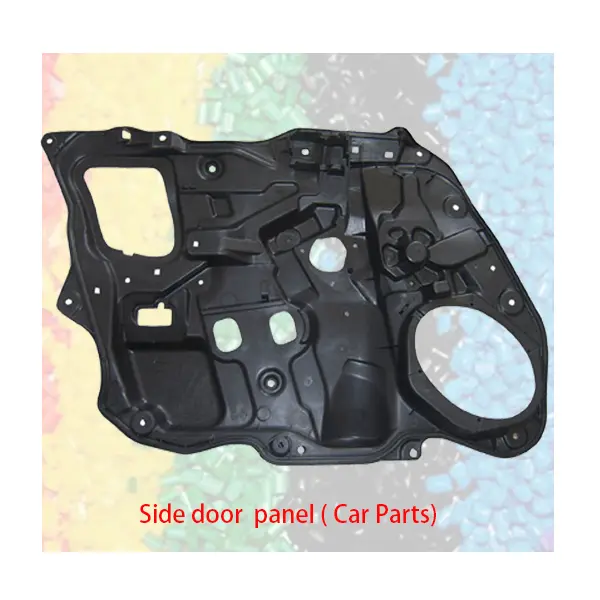
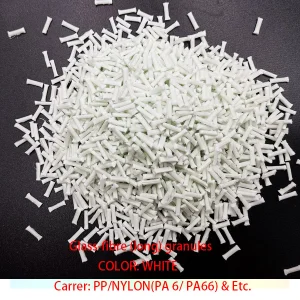
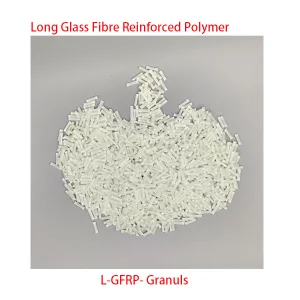
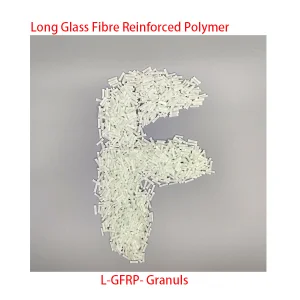
Our long glass-fiber-reinforced polymer (GFRP) formulations are designed with a continuous structural matrix that ensures uniform loading profile transitions. The granules are engineered for injection molding of diverse structural components.
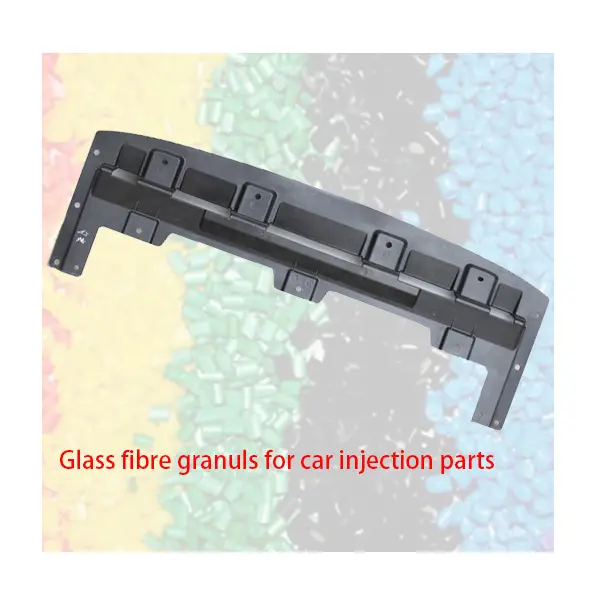
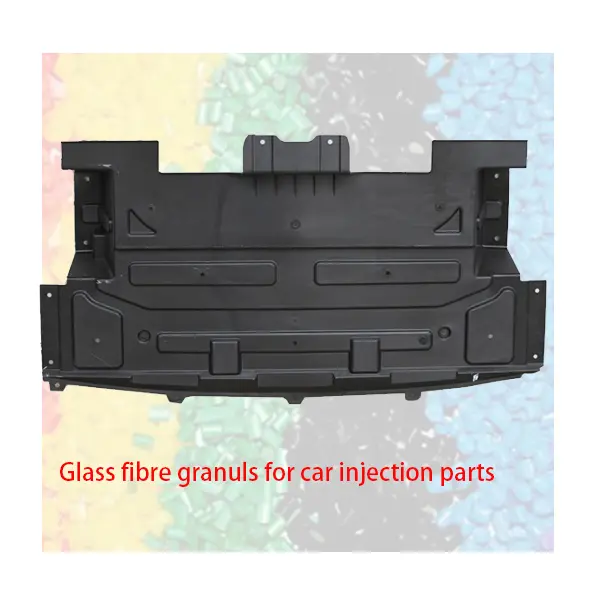
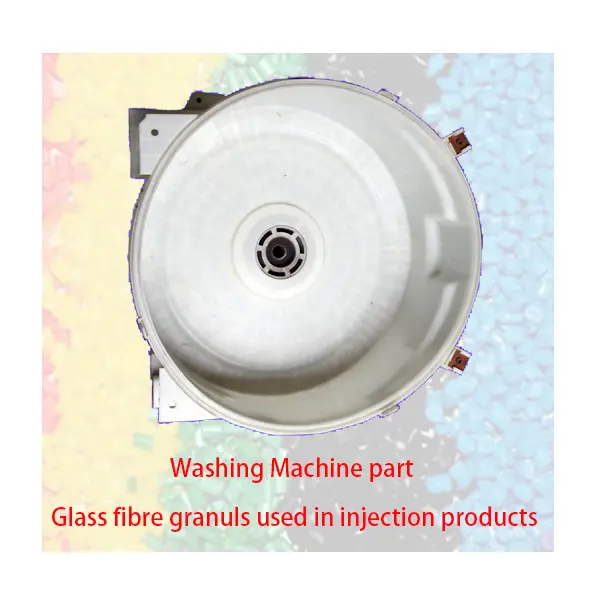
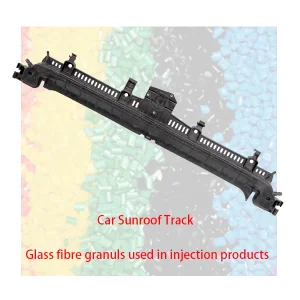
The GFRP granules can make different kinds of special products, such as car parts, washing machine parts, small kitchen electrical appliances and Etc. In municipal systems, they provide high-rigidity casing replacements that significantly outperform standard structural steel.
LEARN MORE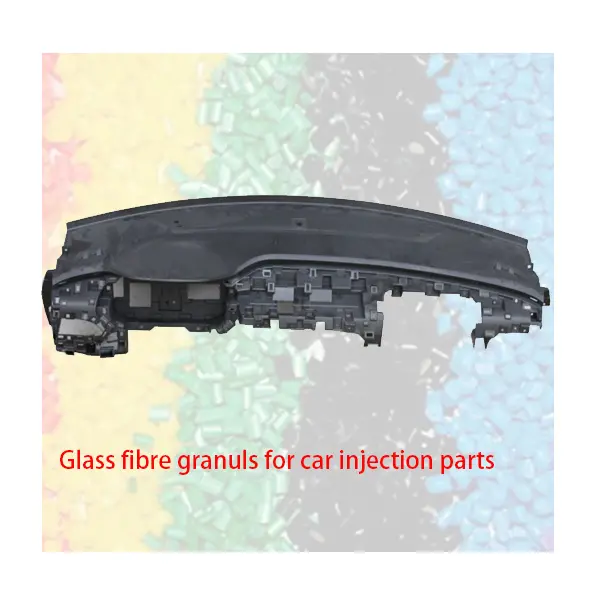
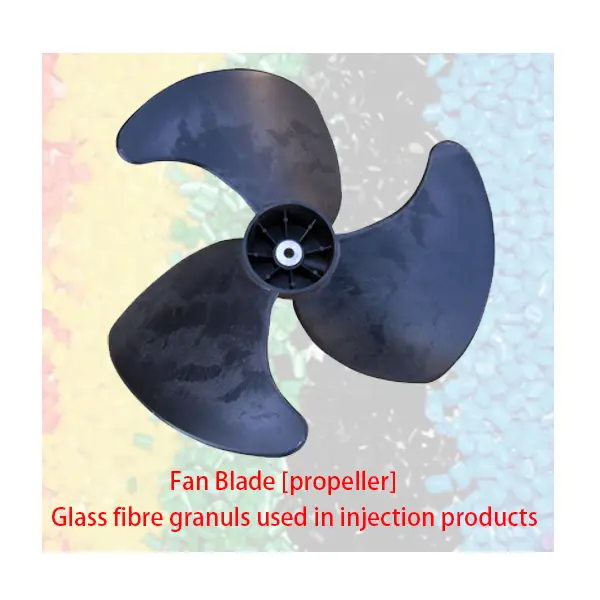
See our factory operations and recent quality verification visits by global clients.
The clients visited our factory today, and have a Professional and rigorous inspection for the PA6 and PA66 long GFRP (Glass-Fiber-Reinforced-Polymer)granules. Finally, they’re satisfied by our products’ quality and quality controlling process. Reported by Lu. 2019-11-15 &...
VIEW MOREOur company has set a new machine line in the workshop and stat running today! Everything is good, output capacity has matched the request.
VIEW MORE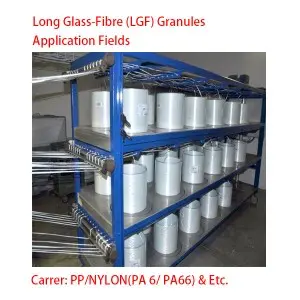
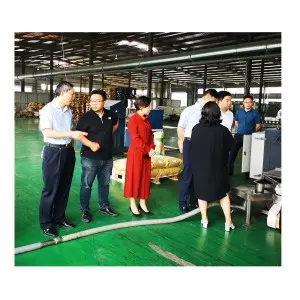
Answers to questions on chemical composition, mechanical load limits, and logistics protocols to Malakal.
While Polypropylene (PP) offers excellent stiffness, Polyethylene (PE)—specifically high-density variants reinforced with long glass fibers—demonstrates superior low-temperature impact properties and UV stress-crack resistance. In outdoor East African conditions, LGF-PE holds up better against degradation from direct sunlight exposure and resists brittleness in fluctuating nocturnal temperatures, making it the preferred candidate for utility housings and pipeline fittings.
At Jurong Best Composite Materials, we employ proprietary pultrusion melt-impregnation systems. Instead of conventional compound shearing, continuous glass fiber rovings are drawn through an extrusion die head containing optimized coupling agents. This coats each individual glass filament with high-viscosity PE melt, ensuring excellent interface adhesion. When molded, the fibers disperse as a cohesive structure rather than clumping.
Yes. By replacing sand-cast steel or bronze alloy brackets with 30% to 50% LGF-PE components, municipal engineers in Malakal can reduce assembly weight by up to 60% while achieving identical fatigue values. This eliminates the risk of heavy-metal leaching and electrolytic galvanic corrosion when in contact with brackish well water.
From our main production base in Zhenjiang, Jiangsu Province, goods are moved directly to Shanghai Port or Nanjing Port. Sea freight departs to Port Sudan or Mombasa. Land transit then handles routing via Juba directly to Malakal. The average transit time is 35 to 50 days, depending on sea conditions and customs clearance speeds.
Select specialized compounds below for project-specific pricing proposals.
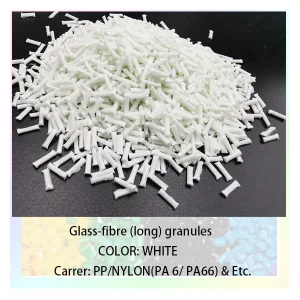
Preserving our full engineering catalog for custom specification designs.
 Best Composite