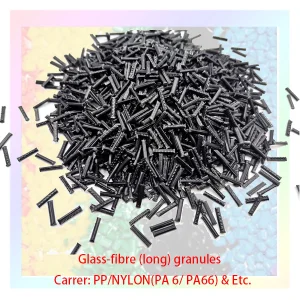
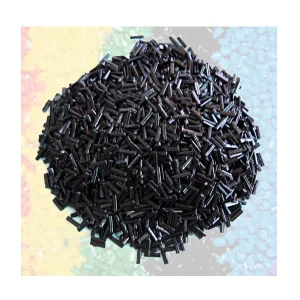
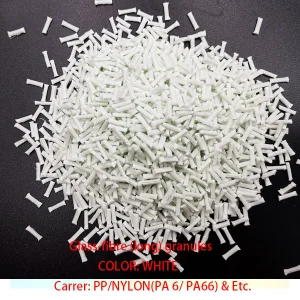
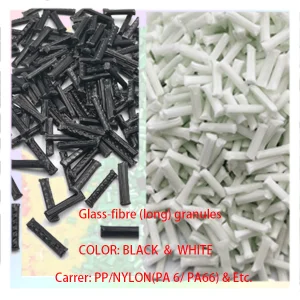
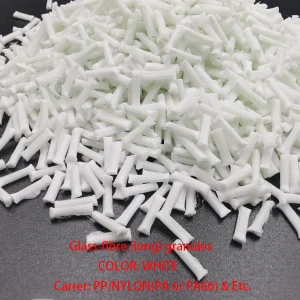
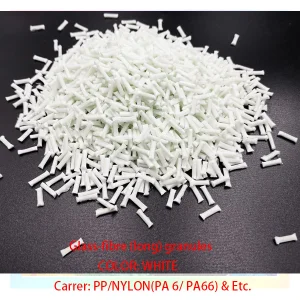
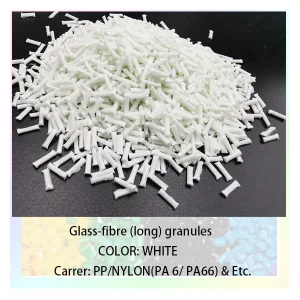
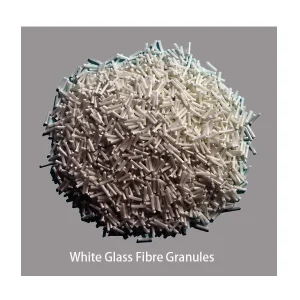
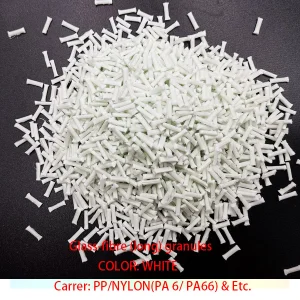
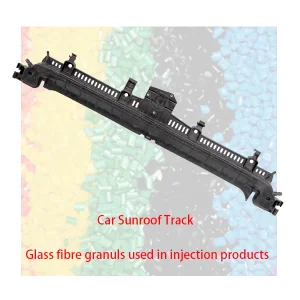
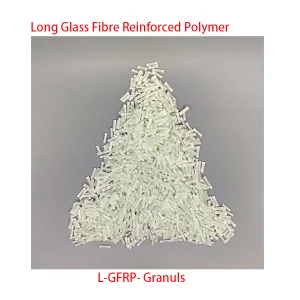
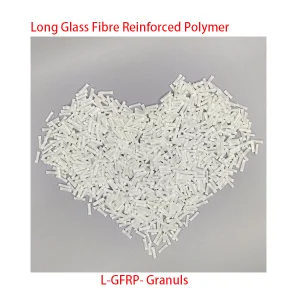
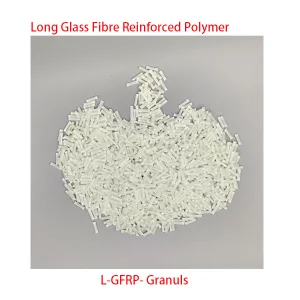
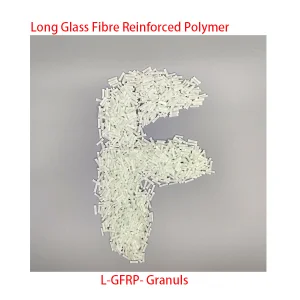
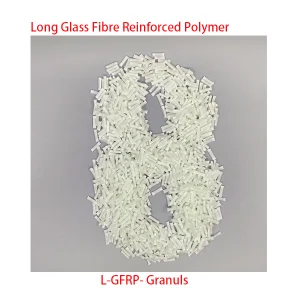
In the landscape of industrial material science, the shift from traditional short glass fiber to Long Glass Fibre Reinforced Polyethylene (LGF-PE) marks a paradigm shift in performance requirements. Unlike short fibers that create a dense but often brittle matrix, long glass fibers create a skeletal structure within the thermoplastic matrix, significantly enhancing energy absorption, creep resistance, and dimensional stability.
For industries in Costa Rica, which are increasingly pivoting towards high-precision manufacturing, medical device packaging, and advanced agricultural equipment, LGF-PE granules represent the optimal balance between cost-efficiency and performance.
Costa Rica has positioned itself as a hub for light manufacturing and life sciences in Central America. The "Free Trade Zone" (Zona Franca) model has attracted global corporations, driving demand for high-performance engineering plastics.
Industrial Applications for LGF-PE in Costa Rica:
The core advantage of our product line lies in the fiber length retention process. During injection molding, short fibers tend to break down, losing their reinforcement potential. Our technology ensures that the glass fibres—often ranging from 10mm to 12mm in length in the pellets—form a robust inter-entangled network within the PE matrix during the injection cycle.
Future Trends:
A: Standard PE is flexible but lacks structural rigidity. LGF-PE increases the tensile strength by 300% to 500% while maintaining the chemical resistance and low density inherent to PE.
A: We facilitate flexible shipping solutions, including LCL (Less than Container Load) options for R&D phases, scaling up to full containers for manufacturing production.
A: Every batch undergoes mechanical property testing (Tensile, Impact, Flexural Modulus) to ensure the fiber-polymer adhesion meets international standards.
 Best Composite