Engineered for high structural stability, superior corrosion defense, and long-term mechanical reliability under tropical, high-salinity island exposures.
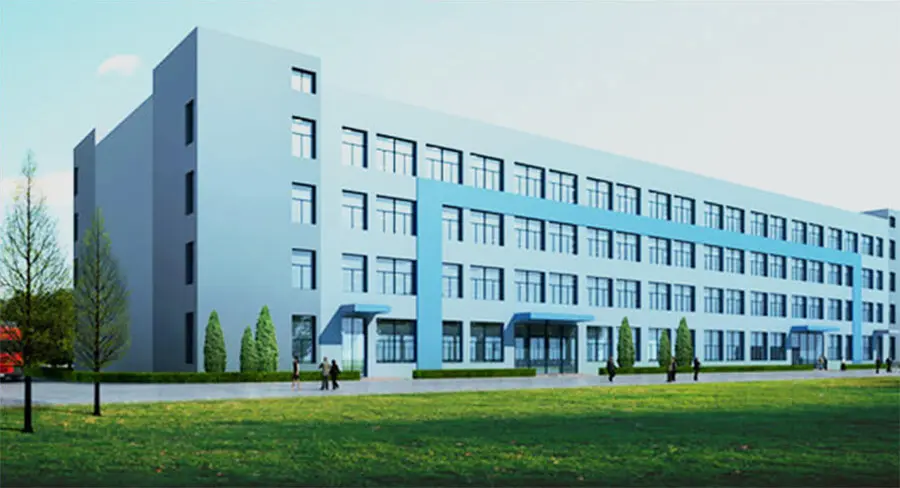
Jurong Best Composite Materials Co., Ltd. is located in the ancient town of Maoshan, which has a history of over a thousand years. The town is part of Jurong City, Zhenjiang, Jiangsu Province. It is situated on the lower reaches of the Yangtze River, adjacent to Nanjing, and is close to Nanjing Lukou International Airport. The Jianning-Taicang Expressway (from Nanjing to Taicang) passes through the area, and the Jurong exit of the Shanghai-Nanjing Expressway connects to Zhenjiang Port and Nanjing Port. Benefiting from the radiation of the Yangtze River Delta Economic Zone, the transportation is very convenient.
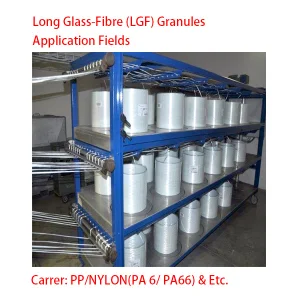
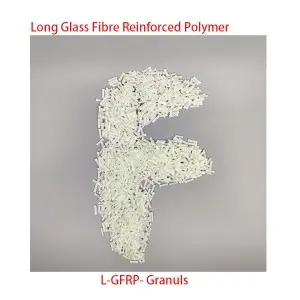
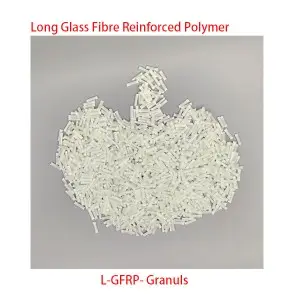
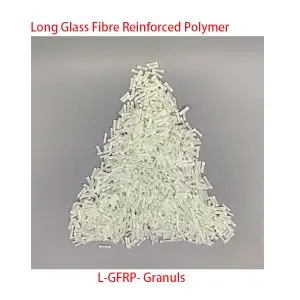
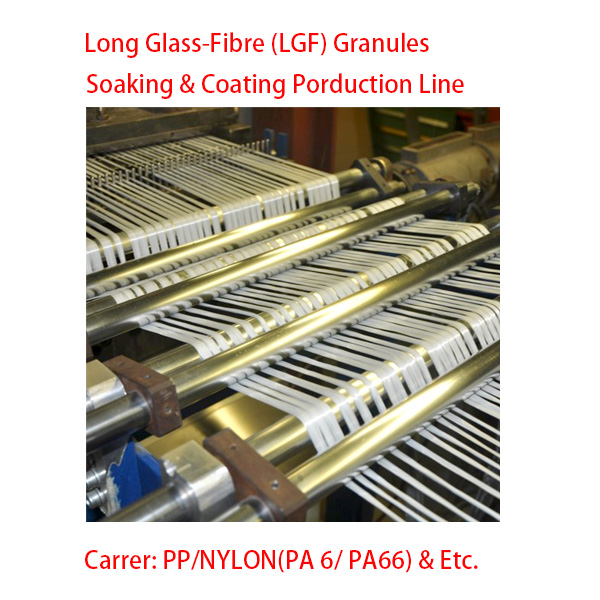
As a key player in the composite materials supply chain, we specialize in the R&D and mass pultrusion manufacturing of high-performance thermoplastic engineering granules. By utilizing advanced pultrusion lines, we ensure that the glass fiber filaments remain long, parallel, and thoroughly impregnated within the polymer matrix. This precise process provides unmatched fatigue resistance, dynamic impact properties, and dimensional stability, making our products highly requested globally—especially in developing infrastructure markets like Kiribati that demand long-term structural integrity against marine corrosion.
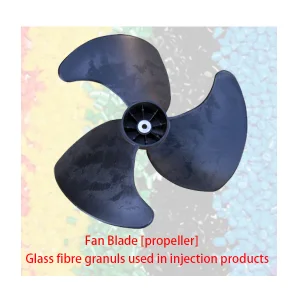
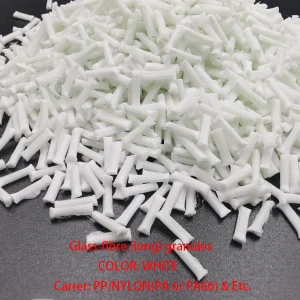
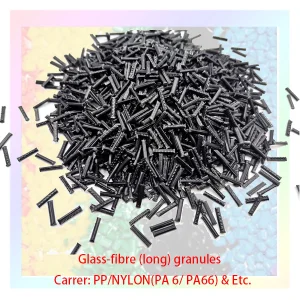
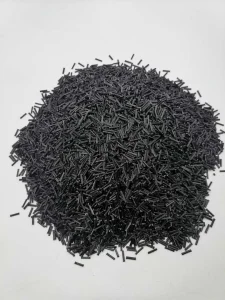
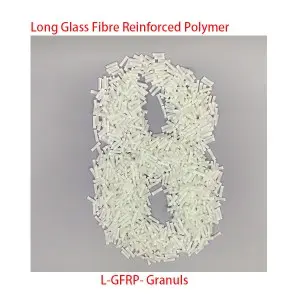
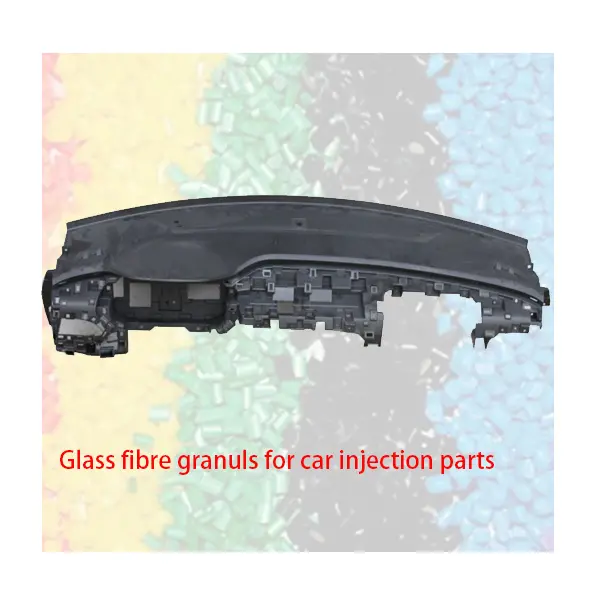
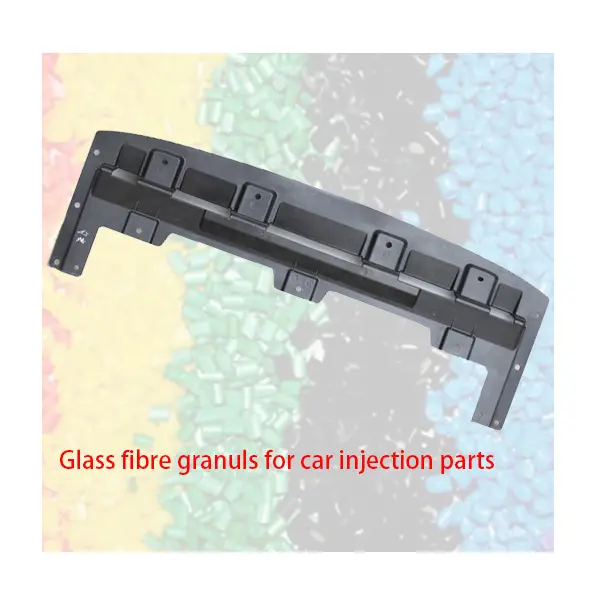
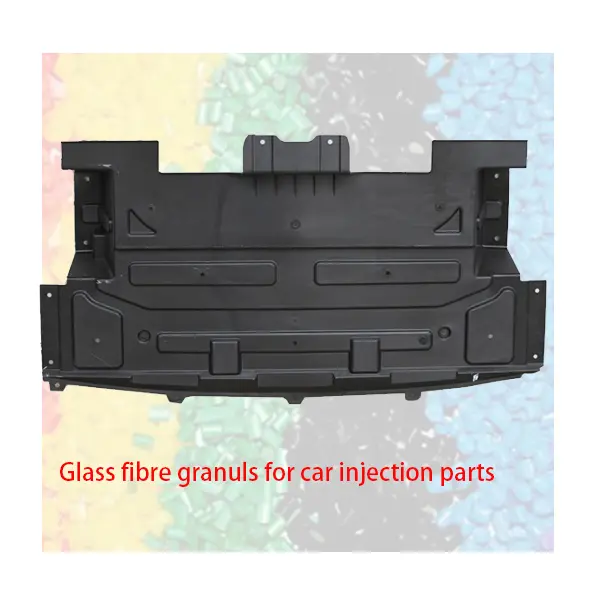
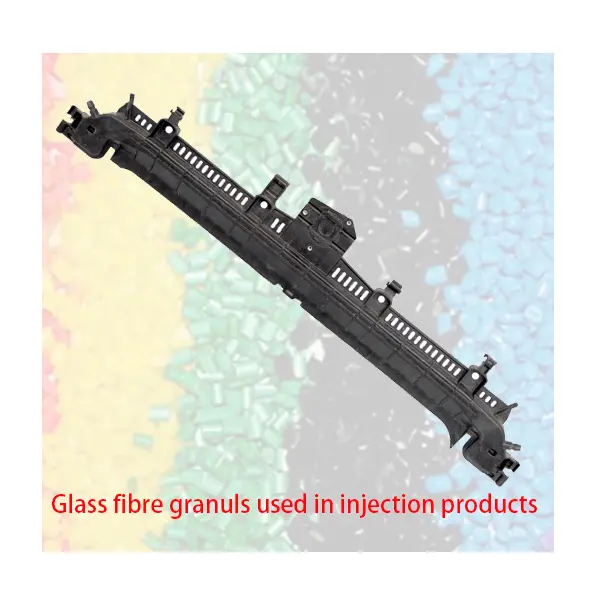
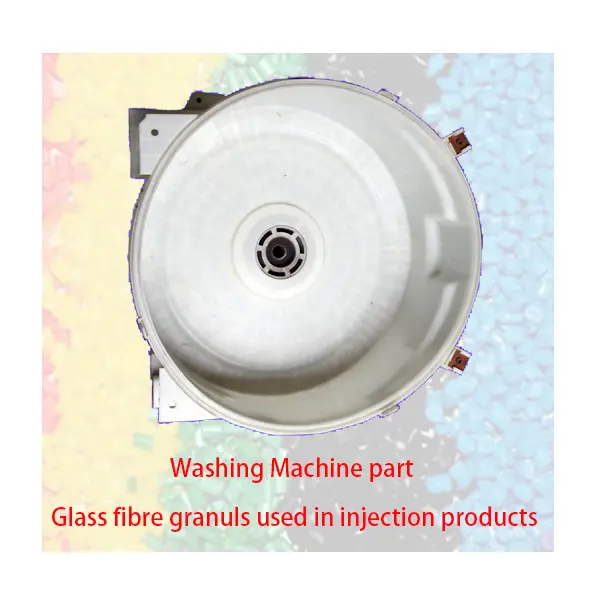
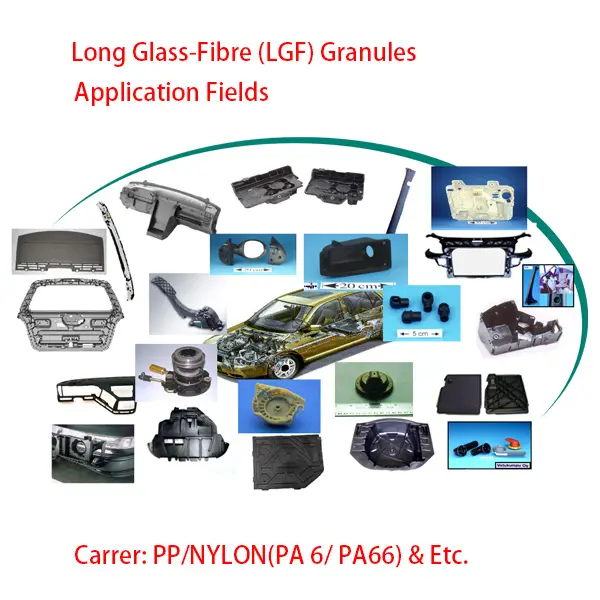
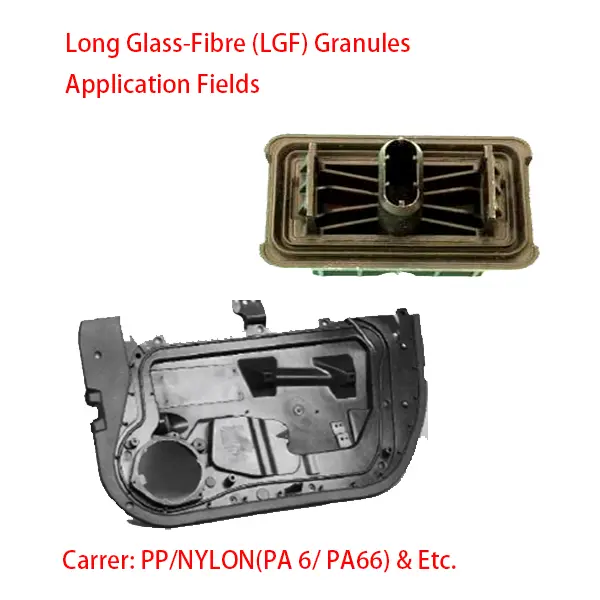
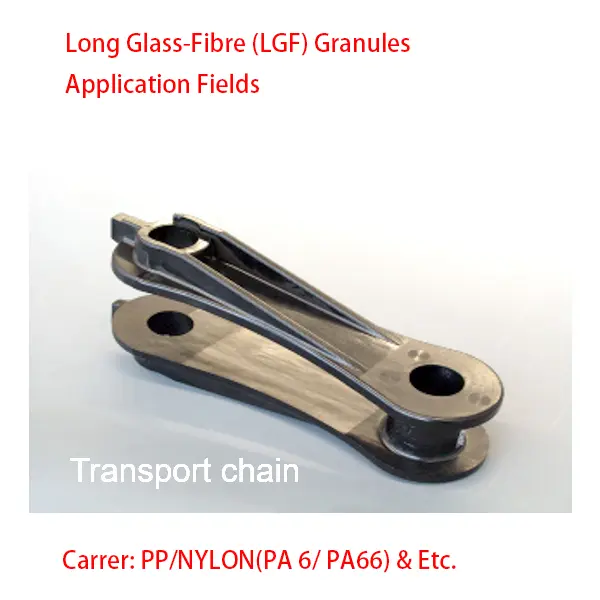
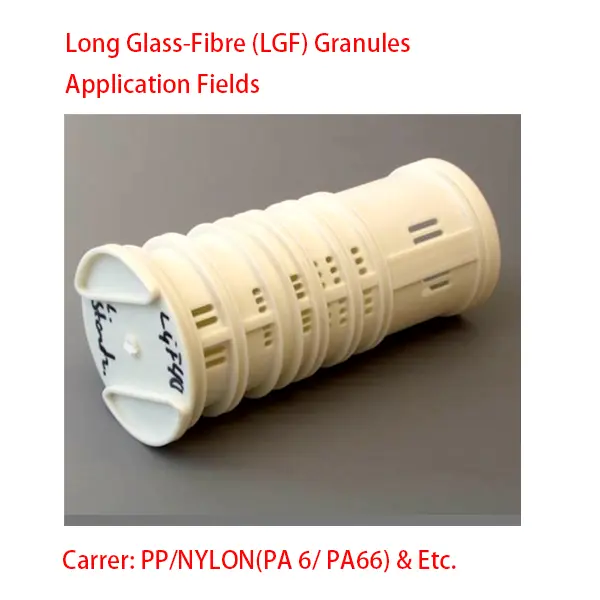
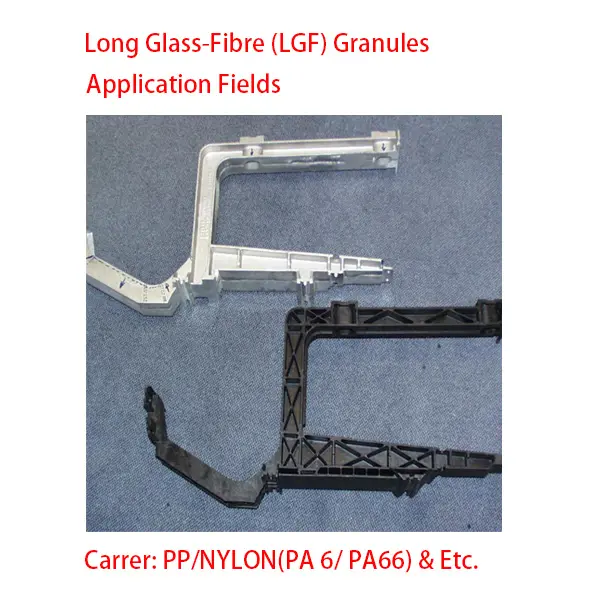
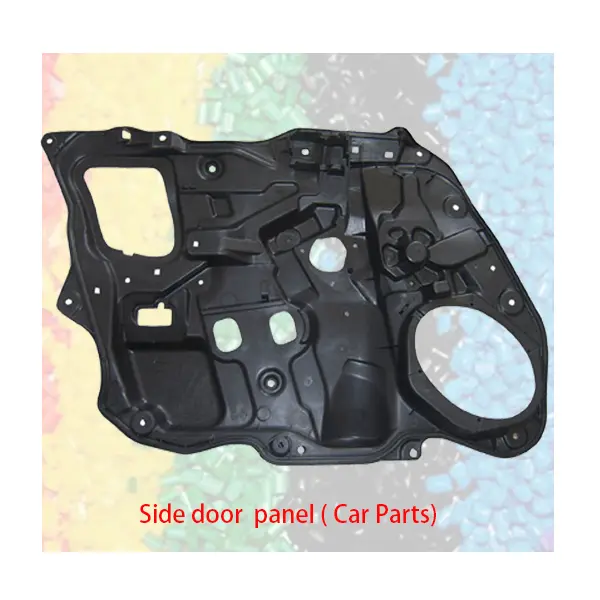
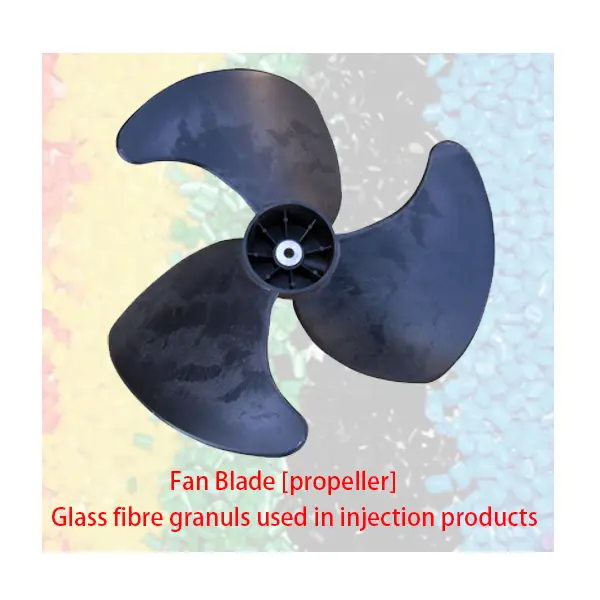
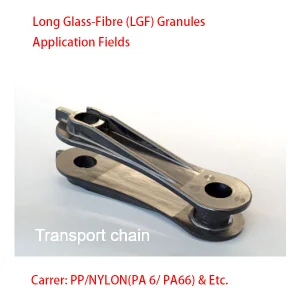
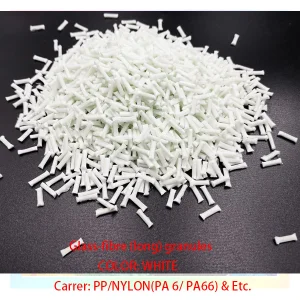
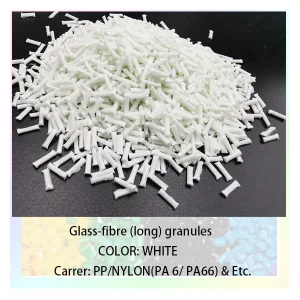
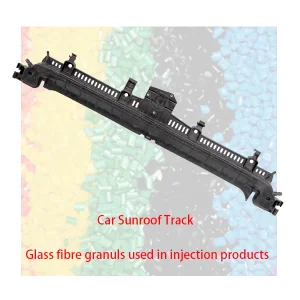
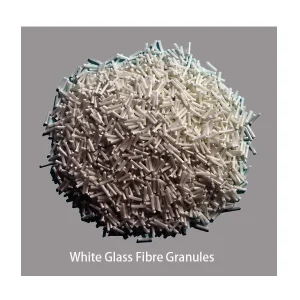
Our long glass-fiber reinforced thermoplastic granules (LGF-PP, LGF-PA6, LGF-PA66, LGF-PA12, LGF-TPU, LGF-PPS, LGF-PPA) are specifically optimized to replace heavy, corrosion-prone structural metals in civil construction, telecommunications, coastal marine gear, and utility sectors.
The imperative of material durability in one of the world's most corrosive atmospheres.
Analyzing how Long Glass-Fibre engineering polymers solve critical engineering problems on Pacific atolls.
Kiribati is actively reducing its reliance on imported diesel by shifting to solar photovoltaic microgrids across both urban and outer islands. Traditional aluminum or galvanized steel solar brackets corrode rapidly due to the coastal salt air, causing structural failure and solar panel misalignment. LGF-PP (Polypropylene) and LGF-PA6/66 (Polyamide) granules are used to mold solar panel support brackets, cable trays, and junction boxes. LGF-PP offers high dimensional stability, chemical inertness, and a low density of just 1.10 - 1.20 g/cm³, ensuring long structural life on coastal solar arrays.
Docks, jetties, fish processing facilities, and offshore aquaculture cages in Tarawa and Betio require materials that can withstand continuous saltwater immersion. LGF-PPS (Polyphenylene Sulfide) and LGF-PA12 offer high resistance to hydrolysis and chemicals. These polymers are used to mold seawater pump housings, impellers, boat deck cleats, and structural marine fittings, providing high tensile strength and fatigue resistance under constant wave loading.
Expanding and upgrading Kiribati's telecom towers and optical fiber distribution networks requires structural components that are both highly durable and electromagnetically transparent. Fiber-optic cable splicing trays, cross-connect enclosures, and electrical insulator brackets molded from LGF-PA66 or LGF-PPA provide the strength needed to replace steel while offering high dielectric strength. This ensures signal transmission is not disrupted by metallic shielding.
Rainwater harvesting and desalination plants are critical for fresh water security in Kiribati. Complex water treatment components, valve bodies, filtration systems, and piping adapters molded from NSF/CE-certified LGF-PP or LGF-PA6 maintain high mechanical performance under cyclic hydrostatic pressures. This prevents the environmental stress cracking common in standard grade polymers.
Scientific engineering data illustrating the mechanical superiority of Long Glass-Fiber composites over conventional materials.
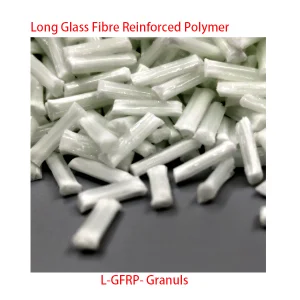
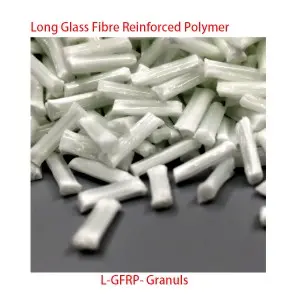
The defining technical advantage of Long Glass-Fibre Reinforced Granules lies in the 3D internal skeleton network they form during pultrusion and subsequent injection molding. In short glass-fiber (SGF) components, the typical fiber length is only 0.2 to 0.4 mm, acting as basic particulate fillers. In contrast, components molded from our LGF granules retain a 3D fiber network with lengths exceeding 10 mm. This structure distributes stress efficiently, preventing crack propagation and yielding higher fatigue limit metrics.
| Property Parameter | Standard PP (Unfilled) | Short Glass-Fibre PP (30% SGF) | Long Glass-Fibre PP (30% LGF) | Cast Aluminum (ADC12) |
|---|---|---|---|---|
| Tensile Strength (MPa) | 28 - 35 | 75 - 90 | 110 - 130 | 240 - 280 |
| Flexural Modulus (GPa) | 1.2 - 1.5 | 5.5 - 6.5 | 7.0 - 8.5 | 70 - 75 |
| Notched Izod Impact (kJ/m²) | 3.0 - 5.0 | 7.0 - 9.0 | 18.0 - 22.0 | N/A |
| Density (g/cm³) | 0.90 - 0.92 | 1.12 - 1.15 | 1.12 - 1.15 | 2.70 - 2.75 |
| Seawater Corrosion Rate | Zero Decay | Negligible | Zero Decay | High (Galvanic Pit Corrosion) |
| Creep Resistance | Poor | Moderate | Excellent (High Temperature) | Excellent |
*Note: Technical values represent typical laboratory testing benchmarks. Actual performance may vary depending on part geometry, mold design, and specific processing temperatures.
How Jurong Best Composite Materials ensures seamless delivery and material reliability for Kiribati importers.
Shipping logistics to Pacific destinations like Betio Port in South Tarawa require robust transport planning. Our factory's location in Jurong, Jiangsu Province, offers direct, efficient access to Zhenjiang Port and Nanjing Port, as well as the deepwater ports of Shanghai and Ningbo. We coordinate closely with global shipping lines to offer consolidated container loads (LCL) and full container loads (FCL), keeping transit times and freight rates competitive.
Hydrophilic engineering polymers, particularly Nylon (PA6, PA66) and PPA, are highly sensitive to ambient humidity during long sea transit. Our factory packs LGF granules in heavy-duty aluminum foil barrier bags. These bags are hermetically vacuum-sealed and reinforced with multi-layer woven outer sacks to prevent moisture absorption. This packaging ensures the granules arrive dry and ready for immediate injection molding without requiring extensive drying cycles.
Thanks to China's integrated petrochemical industry, we maintain a stable supply of base polymers, coupling agents, heat stabilizers, and high-purity glass fiber rovings. This secure supply chain allows us to insulate global buyers from price volatility, ensuring reliable deliveries and long-term price stability for multi-year infrastructure contracts.
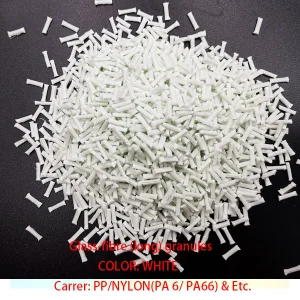
Premium composite granules designed to replace metals and improve mechanical performance in coastal environments.
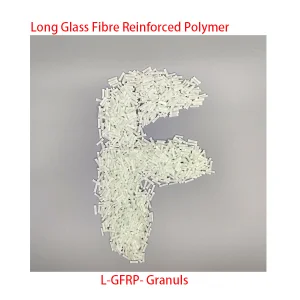
Operational updates showing our commitment to manufacturing precision and quality assurance.
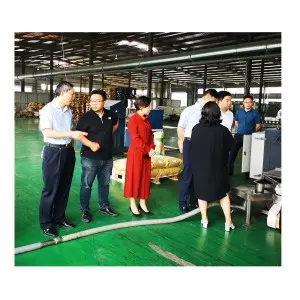
The clients visited our factory today, and have a Professional and rigorous inspection for the PA6 and PA66 long GFRP (Glass-Fiber-Reinforced-Polymer)granules. Finally, they’re satisfied by our products’ quality and quality controlling process.
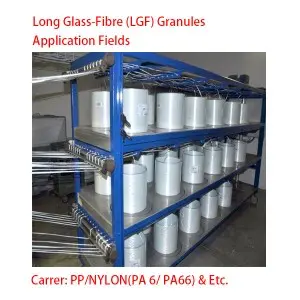
Our company has set a new machine line in the workshop and stat running today! Everything is good, output capacity has matched the request.
Essential material science and logistics advice for engineers and procurement managers sourcing LGF composites.
A: Long Glass-Fibre (LGF) granules retain fiber lengths of 10 to 12 mm after molding, compared to just 0.2 to 0.4 mm for SGF. This creates an internal 3D structural network that significantly increases resistance to fatigue, impact, and creep. Under the high temperatures and salinity of Kiribati, SGF parts can suffer from rapid stress cracking and micro-fracturing. LGF compounds distribute mechanical stress across a larger area, ensuring longer part life and reducing maintenance costs.
A: Standard polypropylene degrades quickly under intense UV light. To prevent this, we formulate our LGF-PP granules with Hindered Amine Light Stabilizers (HALS) and specialized carbon black additives. These stabilizers block UV degradation at the molecular level, allowing the structural components to retain over 85% of their mechanical strength even after years of direct exposure to equatorial Pacific sunlight.
A: Nylon (PA6 and PA66) naturally absorbs moisture, which can lower its tensile strength. For direct seawater applications, we recommend LGF-PA12, LGF-PPS, or LGF-PPA, which have very low water absorption rates. If PA6 or PA66 is required, we adjust the formulation with specialized additives to limit moisture absorption, ensuring the material retains its strength when wet.
A: To maintain the strength of long glass fibers, it is important to minimize fiber breakage during injection molding. We recommend using low screw speeds, low backpressure, and a wider nozzle diameter (at least 4-6 mm). Molds should feature generous gate designs, and check valves should be designed to prevent fiber shearing. Keeping the melt temperature within the recommended range for the polymer matrix ensures proper resin flow and complete fiber impregnation.
A: Our manufacturing processes and structural compounds comply with global quality standards. We hold CE Certification for our long glass-fibre polyamide and polypropylene granules. Additionally, all raw materials comply with EU REACH regulations and RoHS directives. Quality verification certificates (COA) are provided for every batch before dispatch.
A: We use multi-layer, hermetically sealed aluminum foil vacuum bags to protect the granules from humidity during ocean transit. The bags are placed in durable shipping boxes on pallets and shrink-wrapped, ensuring the granules remain completely dry during the sea journey to Betio Port.
Contact our engineering and sales team today for custom formulations, volume pricing, and reliable delivery to Kiribati.
Subscribe to our technical newsletter for the latest updates on composite materials:
 Best Composite