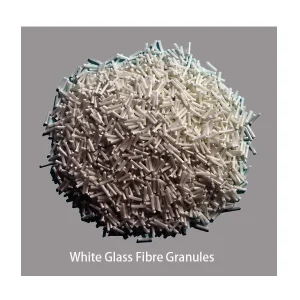
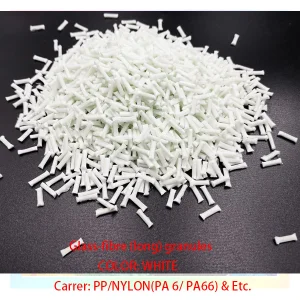
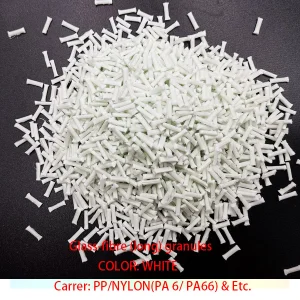
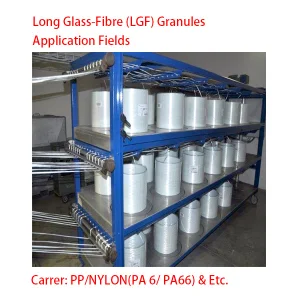
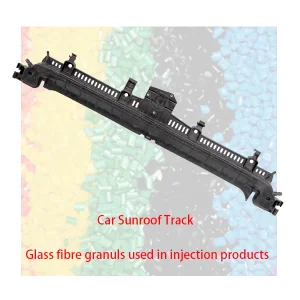
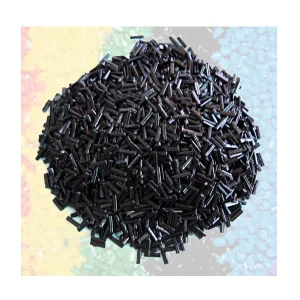
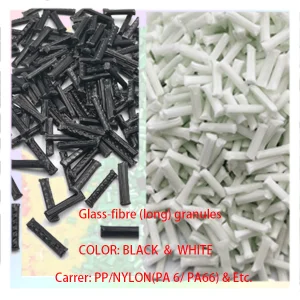
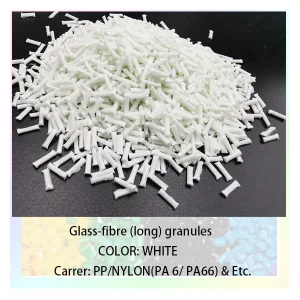
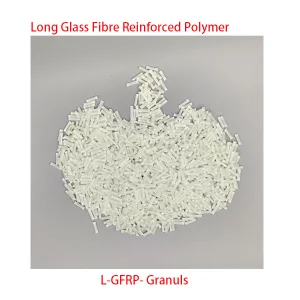
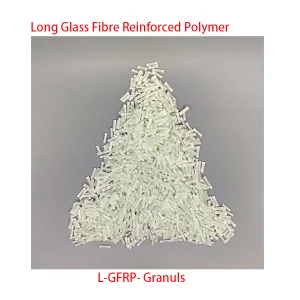
As Australia transitions toward a more advanced manufacturing economy, the demand for high-performance thermoplastic composites—specifically Long Glass-Fibre Reinforced Polybutylene Terephthalate (LGF-PBT)—has surged. Industries ranging from automotive electrification to renewable energy and heavy-duty infrastructure are seeking materials that offer superior mechanical strength, dimensional stability, and thermal resistance.
At Jurong Best Composite Materials Co., Ltd., we understand that the Australian market requires more than just a supplier; it requires a strategic partner capable of delivering consistent material quality that adheres to stringent international and local compliance standards.
Unlike traditional short glass-fibre reinforcement, Long Glass-Fibre (LGF) technology maintains fibre length within the polymer matrix during injection molding. This creates a skeletal structure within the PBT, providing:
Australian procurement managers are increasingly prioritizing supply chain transparency and material certification. Our manufacturing processes in Jiangsu, connected to the robust logistics hubs of the Yangtze River Delta, ensure that Australian clients benefit from efficient shipping lanes to major ports like Sydney, Melbourne, and Brisbane, coupled with rigorous quality assurance protocols.
The roadmap for composite materials in Australia is heavily influenced by the "Green Manufacturing" trend. Our R&D team is currently focusing on:
Q: Why choose LGF-PBT over standard PA66 for automotive parts in Australia?
A: While PA66 is excellent, PBT offers superior moisture resistance and electrical insulation properties, making it more stable in high-humidity or coastal Australian environments where dimensional accuracy is non-negotiable.
Q: How do you handle logistics and supply chain volatility?
A: Leveraging our strategic location near major Chinese ports and utilizing advanced supply chain management, we maintain stable lead times even during global logistics fluctuations.
Q: Can you customize LGF percentages for specific Australian engineering requirements?
A: Yes, our factory specializes in custom-compounding, allowing us to adjust glass-fibre content (typically 20%-50%) to meet specific structural, weight, and cost profiles.
 Best Composite