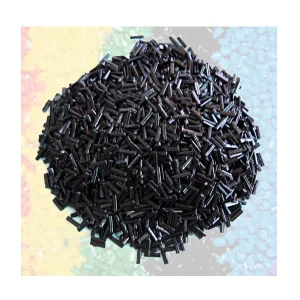
In recent years, North Korea has emphasized the "localization of materials" within its domestic manufacturing sectors, specifically focusing on the automotive, agricultural machinery, and consumer electronics industries centered around Pyongyang and Nampo industrial clusters. As the nation seeks more durable, heat-resistant, and cost-effective alternatives to traditional metals, Long Glass-Fibre Reinforced PBT (LGF-PBT) has emerged as a critical material. Our role as a supplier serving North Korea involves providing materials that can withstand rigorous industrial environments while offering the lightweight benefits necessary for modern machinery.
Globally, the transition toward Electric Vehicles (EVs) and high-speed rail has catalyzed the demand for LGF-PBT. Unlike short-fiber composites, long glass-fiber reinforcement provides a 3D structural skeleton that drastically improves impact resistance and dimensional stability. Jurong Best Composite Materials Co., Ltd. leverages this global trend to offer North Korean enterprises world-class technology, ensuring their manufactured exports or domestic products meet international durability standards.
Years of Local History (Maoshan)
Quality Controlled Process
Response Guarantee
Export Network
Located in the ancient town of Maoshan, Jurong City, Jurong Best Composite Materials Co., Ltd. stands as a beacon of high-tech manufacturing in the Yangtze River Delta. Our proximity to the Nanjing Lukou International Airport and major ports like Zhenjiang and Nanjing allows us to maintain a seamless supply chain for our North Korean partners. We don't just supply granules; we provide a legacy of material science engineering.
Our workshop recently commissioned a New GFRP machine line, significantly boosting our output capacity to match the increasing global and regional procurement requests. We welcome professional inspections, as demonstrated by our recent successful quality audits from international clients.
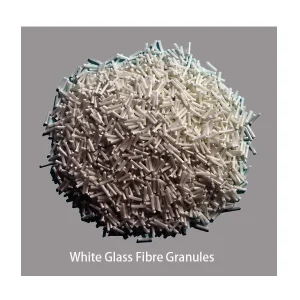
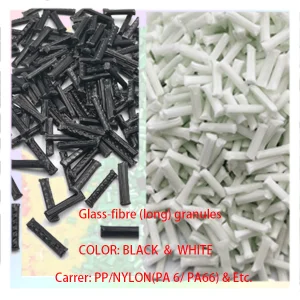
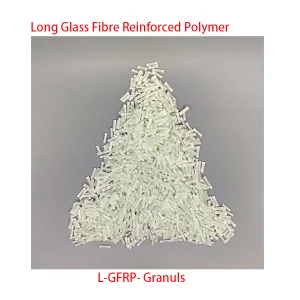
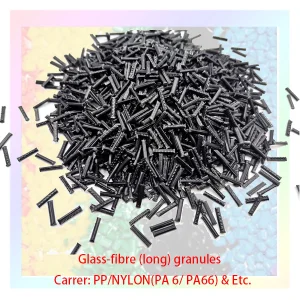
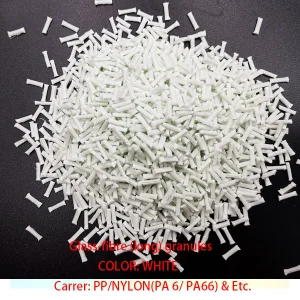
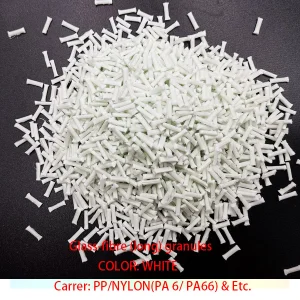
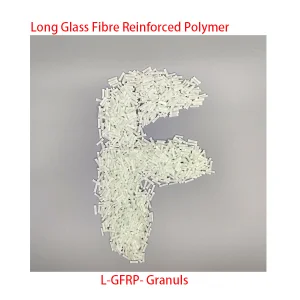
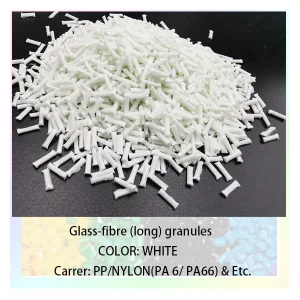
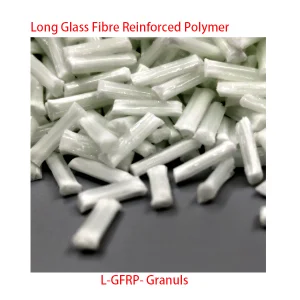
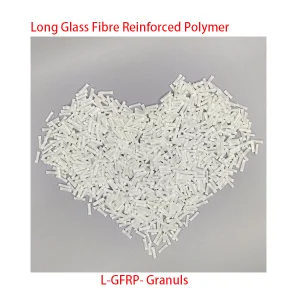
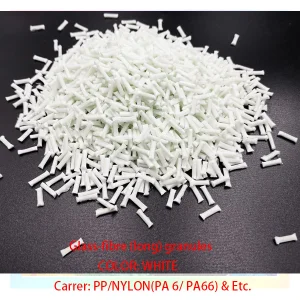
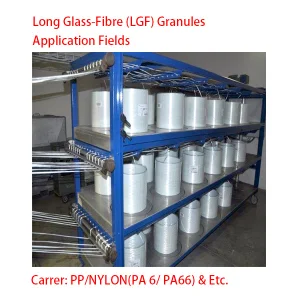
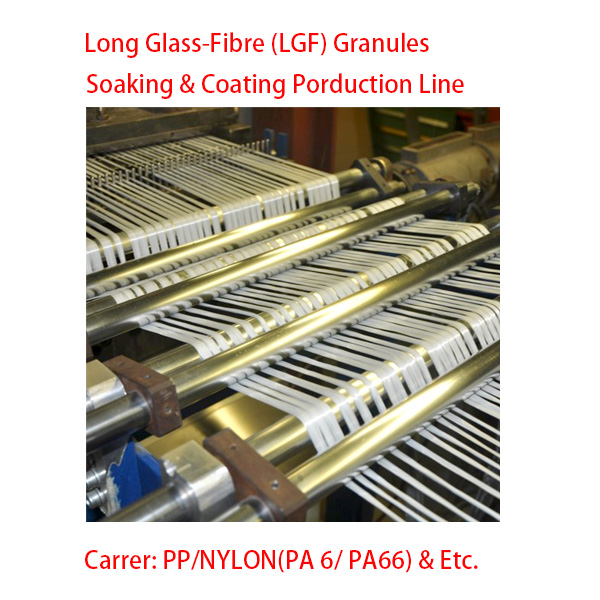
What sets our LGF-PBT apart is the Pultrusion Process. In short-fiber composites, fibers are typically 0.5-1.0mm long. In our Long Glass Fiber reinforced PBT, the fibers maintain the length of the pellet (typically 10-12mm). This creates an internal "fiber skeleton."
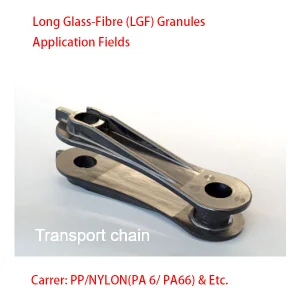
Replacing heavy iron parts in tractors and irrigation systems with LGF-PBT to reduce fuel consumption and prevent corrosion.
High-speed gears and bobbins that require the low-friction and high-heat resistance of our specialized PBT granules.
Switchgear components and insulators that benefit from PBT's excellent dielectric properties and dimensional stability.
Washing machine parts and small kitchen appliances for domestic North Korean markets, ensuring longevity and safety.
A: We utilize our proximity to Zhenjiang and Nanjing ports to facilitate efficient shipping. We provide all necessary technical documentation and CE certifications (where applicable) to ensure smooth transit and customs clearance.
A: We typically offer glass fiber content ranging from 20% to 60%. For most automotive applications in North Korea, 30-50% LGF-PBT provides the optimal balance of weight and structural integrity.
A: Yes. One of the primary advantages of "Long" fiber over "Short" fiber is its retention of impact toughness at sub-zero temperatures, making it ideal for year-round industrial use in Northern climates.
A: Absolutely. We encourage technical validation. Samples of GFRP-PA6, PA66, and PBT can be prepared and sent for industrial trial runs.
Connect with Jurong Best Composite Materials for competitive pricing, technical white papers, and reliable export services to North Korea and worldwide.
Send Inquiry Now Best Composite