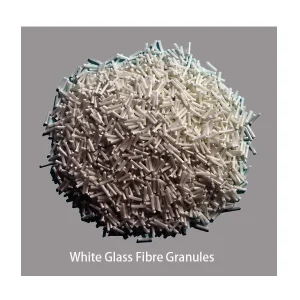
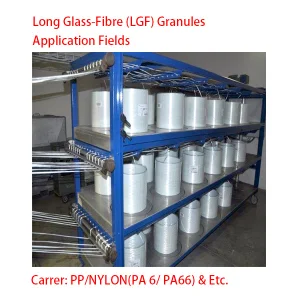
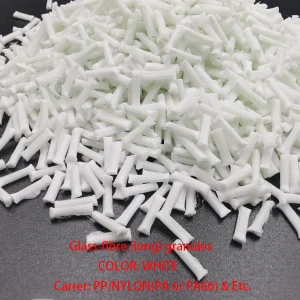
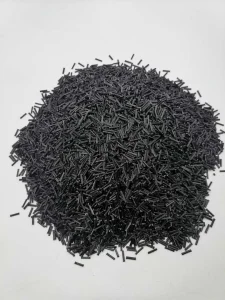
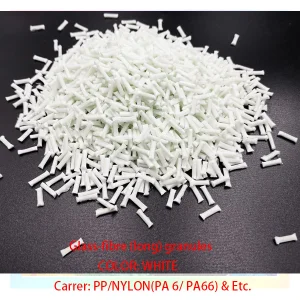
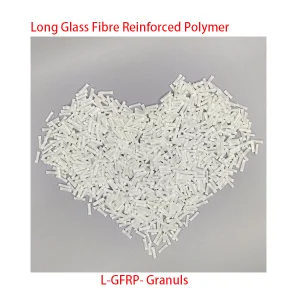
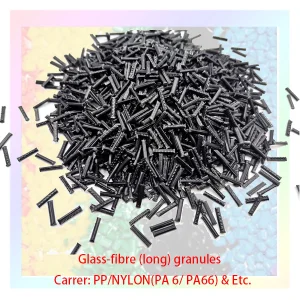
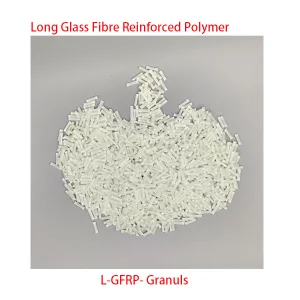
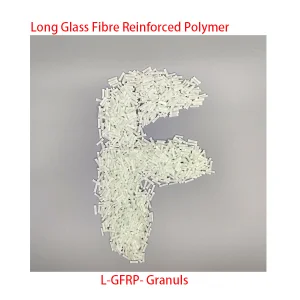
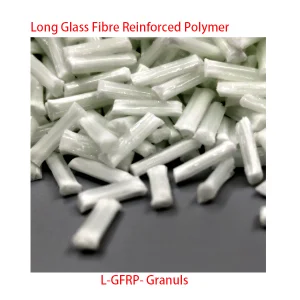
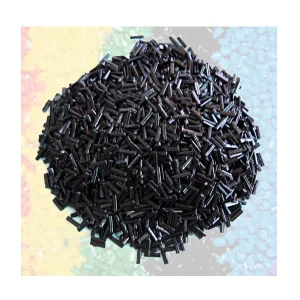
Argentina represents a pivotal market within the MERCOSUR economic bloc, particularly for industries requiring advanced high-performance thermoplastics. As the country moves toward industrial modernization and the strengthening of its automotive manufacturing sector in regions like Córdoba and Buenos Aires, the demand for Long Glass-Fibre Reinforced Polybutylene Terephthalate (LGF-PBT) has surged. LGF-PBT offers exceptional mechanical properties, such as high dimensional stability, heat resistance, and structural integrity, making it the preferred choice for replacing metal components in heavy-duty applications.
Navigating the supply chain for high-performance polymers in Argentina requires more than just procurement; it requires technical partnerships. Our analysis indicates that local industries—ranging from automotive chassis component manufacturing to electrical housing—benefit significantly from the high aspect ratio of long glass fibers. Unlike short glass fiber (SGF) alternatives, LGF-PBT provides a unique "skeleton" structure that prevents warpage and improves impact resistance, critical for surviving the varied climatic conditions of the South American continent.
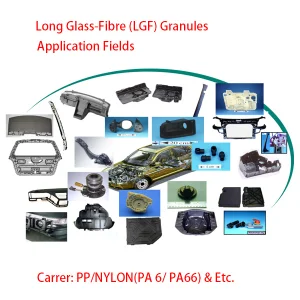
From automotive cooling systems to advanced industrial switchgear, LGF-PBT is transforming Argentine manufacturing. We support local OEMs by providing customized material grades that meet specific ASTM and ISO standards for tensile strength and hydrolysis resistance.
We understand the complexities of the Argentine import regulatory framework. Our supply chain solutions include comprehensive documentation, material safety data sheets (MSDS), and logistical support to ensure seamless customs clearance within South America.
The transition toward Electric Vehicles (EVs) and smart appliances in Argentina demands materials that offer weight reduction without sacrificing safety. LGF-PBT's ability to undergo "Metal-to-Plastic" conversion allows manufacturers to reduce vehicle weight, directly contributing to energy efficiency. Future developments include the integration of recycled long glass fibers and bio-based resin matrices to align with global ESG (Environmental, Social, and Governance) targets.
 Best Composite