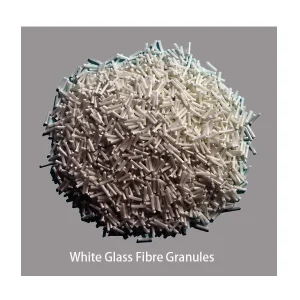
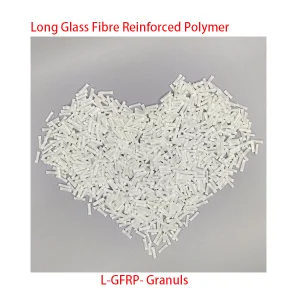
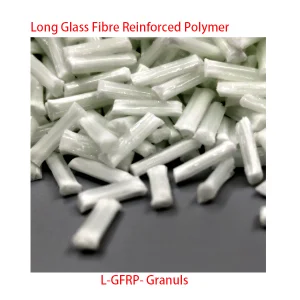
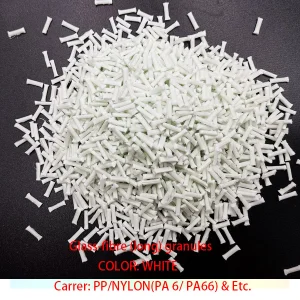
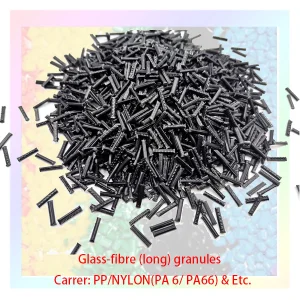
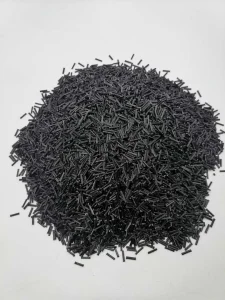
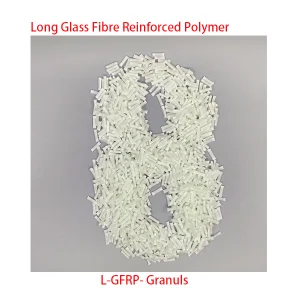
In the evolving industrial landscape of Moscow and the wider Central Federal District, the demand for advanced thermoplastic composites has seen a paradigm shift. As Moscow strengthens its position as a hub for high-precision mechanical engineering and aerospace innovation, Long Glass-Fibre Reinforced Polybutylene Terephthalate (LGF-PBT) has emerged as the material of choice for engineers seeking to bridge the gap between metal and traditional plastics.
According to recent industrial data from the Technopolis Moscow Special Economic Zone, there is an 18% year-on-year increase in the adoption of fiber-reinforced polymers. The harsh continental climate of Moscow—characterized by extreme temperature fluctuations—requires materials that maintain dimensional stability and impact resistance. LGF-PBT, with its unique pultruded structure, offers superior creep resistance and low-temperature performance compared to standard short-glass fiber alternatives.
Globally, the push towards "Electric Mobility" and "Weight Optimization" is driving the engineering plastics market. For Moscow-based suppliers and OEMs, this global trend is coupled with a local necessity for supply chain resilience. As European supply routes face logistical complexities, the strategic partnership with Tier-1 Chinese manufacturers like Jurong Best Composite Materials Co., Ltd. has become vital for Moscow's industrial continuity.
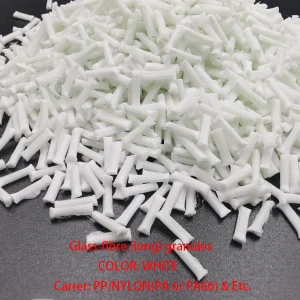
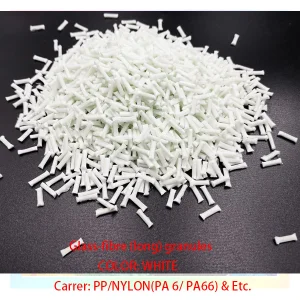
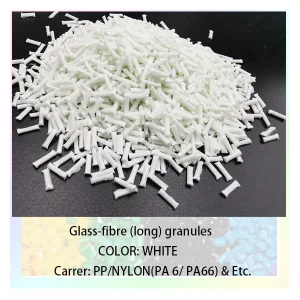
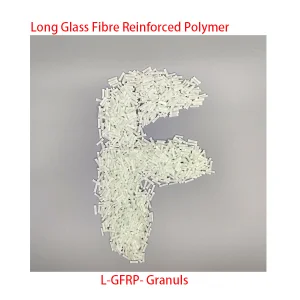
Our commitment to Information Gain and technical transparency leads us to explain the pultrusion technology that defines our LGF-PBT. Unlike traditional compounding, our pultrusion process ensures that the glass fibers are continuous and unidirectionally aligned within the PBT matrix. When injection molded, these fibers form a 3D internal skeleton, providing unparalleled structural integrity.
PBT is inherently resistant to oils, fats, and various automotive fluids. In the Moscow automotive sector, this makes it ideal for under-the-hood components, sensory housings, and connectors. With a heat deflection temperature (HDT) exceeding 200°C, our LGF-PBT remains stable where others fail.
The "Long Fiber" advantage means that the material can absorb significantly more energy during impact. For structural parts in Moscow's public transit systems or heavy machinery, this translates to safety and durability that meets international GOST and ISO standards.
Located in the historic town of Maoshan, Jurong City, our facility benefits from the Yangtze River Delta Economic Zone’s logistics powerhouse. We understand that Moscow clients require more than just a product; they require a "Just-In-Time" (JIT) delivery guarantee.
Close to Nanjing Lukou International Airport and major ports (Zhenjiang & Nanjing), facilitating rapid air-freight and sea-freight solutions to Russia.
Utilization of the China-Europe Express Railway to provide a cost-effective and reliable alternative to traditional shipping, connecting directly to Moscow logistics terminals.
Our materials are manufactured to meet Eurasian Conformity (EAC) standards, ensuring smooth customs clearance and regulatory alignment for the Russian market.
Jurong Best Composite Materials Co., Ltd. is located in the ancient town of Maoshan, which has a history of over a thousand years. The town is part of Jurong City, Zhenjiang, Jiangsu Province. It is situated on the lower reaches of the Yangtze River, adjacent to Nanjing, and is close to Nanjing Lukou International Airport. The Jianning-Taicang Expressway passes through the area, and the Jurong exit connects to Zhenjiang Port and Nanjing Port.
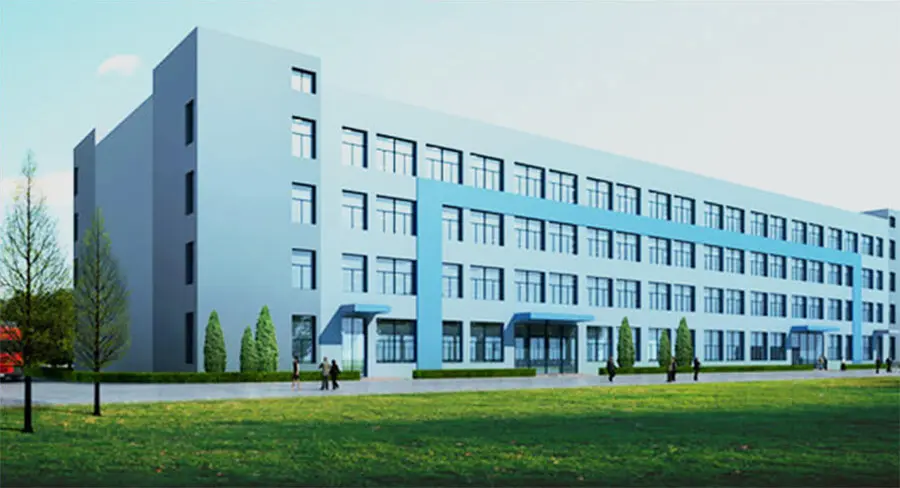
We offer the best quality products for the global market, with a special focus on the expanding Moscow industrial corridor. Our recent quality audit by international clients confirmed our PA6 and PA66 long GFRP granules exceed market expectations. Our production capacity has recently expanded with a New GFRP machine line to meet the growing volume of bulk orders.
"The clients visited our factory and have a professional and rigorous inspection. They’re satisfied by our products’ quality and quality controlling process." - Report by Lu, 2019.
Long Glass Fiber (LGF) provides a significantly higher aspect ratio, which creates a reinforcing fiber network. In Moscow’s industrial applications, this results in better creep resistance, higher impact strength, and better fatigue resistance over time compared to Short Glass Fiber (SGF).
We utilize a multi-modal logistics strategy including sea-to-rail (via Vladivostok) and direct rail (China-Europe Express). This bypasses traditional European transit routes, ensuring predictable lead times despite global geopolitical shifts.
Yes, our LGF-PBT granules are designed for use in standard injection molding machines. However, we recommend using low-shear screws to maintain the fiber length during the melting process for optimal mechanical performance.
Absolutely. We regularly ship samples for testing against Moscow’s local industrial standards. Please contact our technical team to arrange for a specific grade sample.
Get a comprehensive quote and technical datasheet for your specific project needs today.
Send Inquiry NowDirect Support Available for Moscow, Saint Petersburg, and Novosibirsk industrial zones.
 Best Composite